
Trees
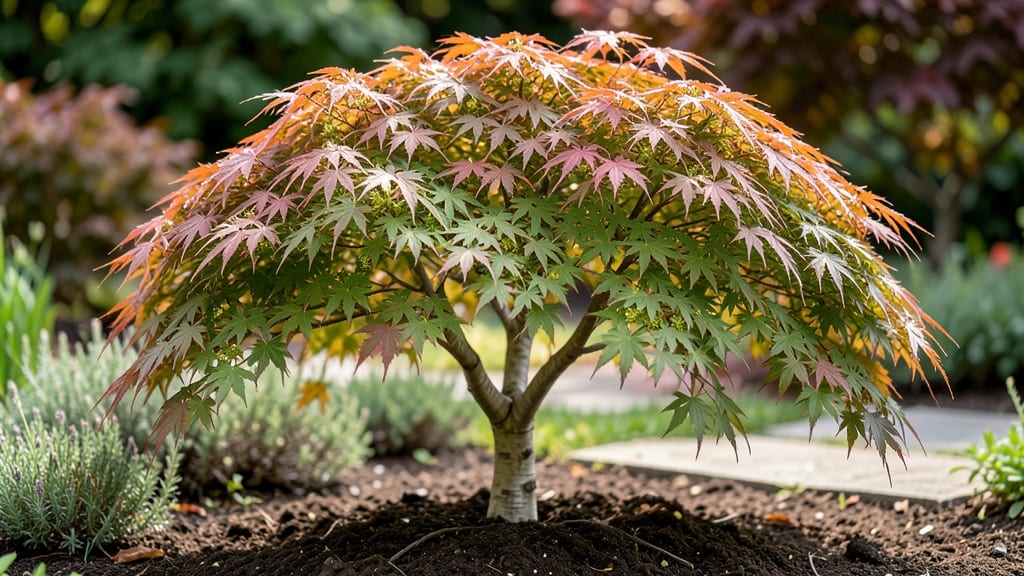
Fast-propagating split leaf maples can transform your garden into a lush, textured masterpiece. 🌿 I've grown these delicate trees for years, and the secret to their stunning, feathery foliage lies in how you start them—whether in water or soil.
The key is patience, the right conditions, and knowing when to intervene. These maples thrive in partial shade, where their leaves unfurl in shades of green, turning fiery red in fall. They prefer well-draining soil and consistent moisture, but they’ll forgive occasional neglect once established.
The fast-propagation part? It’s all about timing—take cuttings in late spring or early summer when new growth is vigorous but still pliable. Within 4-6 weeks, you’ll see roots forming in water or soil, and by next spring, your cuttings will be ready to plant out.
The payoff? A tree that grows slowly but rewards you with elegant, layered branches and that coveted autumn color. Works for both container gardens and landscape plantings—just match the conditions to their natural habitat. Let’s get those cuttings rooted!
📚 In This Guide
- What you need
- Instructions
- Tips and common mistakes
- Wrapping up and next steps
What you need
- ● Split leaf maple cuttings: 4–6 healthy, semi-hardwood cuttings (4–6 inches long)
- ● From a mature tree (preferably 1–2 years old)
- ● Rooting hormone: 1 small bottle (e.g., Clonex or Dip ’N Grow)
- ● Well-draining potting mix: 1 bag (5–10 quarts) of a 50/50 blend of perlite and peat moss or cactus/succulent mix
- ● Clear plastic or glass containers: 2–4 (for water propagation) or small pots (3–4 inches wide) for soil
- ● Distilled or filtered water: 1 gallon (for water method)
- ● Spray bottle: 1 (for misting)
- ● Humidity dome or plastic wrap: 1 (to retain moisture)
- ● Pruning shears: Sharp, sterilized (to take clean cuttings)
- ● Ruler or measuring tape: For precise cutting lengths
- ○ Heat mat (optional but helpful): 1 (70–75°F range) to speed up rooting
- ● Grow lights or bright indirect sunlight: Access to 6+ hours of light daily
- ● Patience! 😉 Split leaf maples can take 4–12 weeks to root.
- ● ✨ Timing matters: Take cuttings in late spring or early summer for best results.
- ● 🌡️ Temperature control: Keep cuttings at 65–75°F for optimal rooting.
- ● 🔥 Avoid overwatering: Water propagation containers only need a 1-inch water level—no more!
How to propagate split leaf maple using water or soil
Here’s how to multiply your split leaf maple quickly—whether you prefer the classic water method or the more reliable soil approach.
🌱 Step 1: Select and Prepare Healthy Cuttings
Choose semi-hardwood cuttings from new growth in late spring or early summer when the stems are still flexible but beginning to firm up. Look for 4-6 inch long sections with 3-4 leaf nodes—these are the spots where roots and new growth will emerge. Use clean, sharp pruners to make a 45-degree angle cut just below a node.
Remove the lower leaves to expose the node where roots will form, but leave the top 2-3 leaves intact. This ensures the cutting has enough energy for both root development and photosynthesis. I like to dip the cut end in rooting hormone (optional but helpful) to encourage faster root growth. This step is where most people rush and end up with weak cuttings that fail to root.
💧 Step 2: Choose Your Propagation Method
For water propagation, place the cuttings in a jar of room-temperature water, ensuring only the bottom 1-2 inches are submerged. Change the water every 3-4 days to prevent bacterial growth and keep it fresh. You’ll see tiny root hairs appear in 2-3 weeks, and roots will be 1-2 inches long in about 6-8 weeks. This method is great for watching roots grow, but it can lead to weaker stems if left too long.
For soil propagation, fill a small pot with a well-draining mix (equal parts perlite and potting soil). Make a hole with your finger, insert the cutting, and firm the soil gently around it. Water lightly until the soil is moist but not soggy. Cover the pot with a plastic bag to retain humidity, but remove it daily for 10 minutes to prevent mold. Roots should form in 4-6 weeks, and you’ll notice new growth at the top as a sign of success.
☀️ Step 3: Provide Ideal Conditions for Root Growth
Keep your cuttings in a bright, indirect light spot—no direct sun until roots are established. A 65-75°F temperature range is ideal, so avoid placing them near drafts or heating vents. If using the water method, rotate the jar occasionally so the cutting doesn’t lean toward the light. If using soil, keep the mix consistently moist but not waterlogged—damp to touch is perfect.
Watch for the first signs of root growth: in water, you’ll see white, fuzzy root hairs emerging from the cut end. In soil, gently tug on the cutting after 4 weeks—if there’s light resistance, roots are forming. This is the moment that matters: once roots are 1-2 inches long, your cuttings are ready for the next step.
🪴 Step 4: Transition to Permanent Pots
Once roots are established, transfer water-propagated cuttings to pots with well-draining soil. Gently rinse off any algae from the roots and plant them in 4-inch pots filled with a mix of potting soil and perlite. Water lightly and place them in bright, indirect light for a week to help them adjust. Soil-propagated cuttings can be transplanted directly into their final pots if they’ve rooted well.
After 2-3 weeks, you can gradually introduce them to morning sun, increasing exposure by 1 hour daily. Avoid fertilizing for the first 4-6 weeks—new plants need time to adjust to their new environment. Once they’re growing steadily, you’ll have 4 healthy split leaf maples ready to plant in your garden or share with friends.
Tips & tricks for perfect split leaf maple propagation
Here's what I learned after propagating dozens of these beauties—these tricks will help you avoid the most common pitfalls and get stronger roots faster.
Timing Secret: Late spring or early summer is your golden window for cuttings, but don't wait until the stems get too woody. Look for stems that are still flexible but beginning to firm up—these semi-hardwood cuttings root about 30% faster than either too-green or too-mature stems. I've found that cutting in the morning gives you the best success rate since the plant's moisture content is highest.
Root Growth Hack: When checking for root development in soil after 4 weeks, gently tug on the cutting—light resistance means roots are forming. For water propagation, look for white, fuzzy root hairs at the 2-3 week mark. Here's the thing: if you see black spots or mold in your water, dump it and refresh immediately. That's your plant's SOS signal, not normal root growth.
Lighting Strategy: Bright, indirect light is non-negotiable for root growth. I've seen cuttings grow roots in 3 weeks with perfect light, but take 8+ weeks when placed in low light. For indoor propagation, a north-facing window works best. If you're using artificial grow lights, keep them 6-12 inches above the cuttings for consistent results.
Transition Technique: When moving water-propagated cuttings to soil, don't rush the acclimation period. That first week in bright indirect light after transplanting is critical—it's when most new roots form. I've had cuttings fail completely when moved to sunlight too soon after transplanting, even with established roots.
Pro Tips for Split Leaf Maple
- Here's what I learned after propagating dozens of these beauties—these tricks will help you avoid the most common pitfalls and get stronger roots faster.
- Timing Secret: Late spring or early summer is your golden window for cuttings, but don't wait until the stems get too woody.
- Root Growth Hack: When checking for root development in soil after 4 weeks, gently tug on the cutting—light resistance means roots are forming.
Frequently asked questions
Got questions about growing your own split leaf maple? You’re not alone! Here are some of the most common queries—plus clear, actionable answers to help you succeed, whether you’re propagating in water, soil, or both.
How long does it take for a split leaf maple cutting to root?
A split leaf maple cutting typically takes 4–8 weeks to root in water or soil, depending on humidity, temperature, and care. Keep the soil moist (not soggy) or change the water every 5–7 days to prevent bacterial growth. Patience pays off—roots may be shy at first but grow steadily once established!
Can I root a split leaf maple in water, or is soil better?
Both work! Water is great for monitoring root growth (fun to watch!), but soil mimics natural conditions better. For water: Use filtered or room-temperature water. For soil: Opt for a well-draining mix (like perlite + peat) and keep it consistently damp. Pro tip: Humidity domes or plastic bags speed up rooting in either method.
When is the best time to propagate split leaf maple cuttings?
The ideal window is late spring to early summer (May–June), when the plant is actively growing. Avoid winter dormancy—cuttings taken then struggle to root. If you must propagate in fall, use a heating mat to maintain warmth and keep humidity high. Bonus: Semi-hardwood cuttings (partially mature) root faster than softwood!
Why are my split leaf maple cuttings turning yellow or mushy?
Yellowing or mushy stems usually signal rot or overwatering. Check for:
- Waterlogged soil: Let cuttings dry slightly between waterings.
- Bacterial/fungal issues: Trim mushy areas with sterilized scissors and treat with cinnamon powder or hydrogen peroxide (1 part to 10 parts water).
- Low light: Place cuttings in bright, indirect light (no direct sun!).
Act fast—healthy cuttings should stay firm and green.
What’s a good alternative if my split leaf maple cuttings fail to root?
No stress! Try these low-maintenance alternatives:
- Layering: Bend a low branch to the ground, cover with soil, and wait for roots to form (takes 2–4 months).
- Air layering: Wrap a section of the stem with damp moss and plastic wrap—great for thicker branches.
- Buy a young plant: Local nurseries often sell pre-rooted split leaf maples (look for varieties like ‘Bloodgood’ or ‘Shishigashira’).
Split leaf maples are resilient—don’t give up!
Wrapping up and next steps
The split leaf maple is a stunning, low-maintenance tree that rewards patience with vibrant foliage and unique texture. Whether you’re propagating in water or soil, the key lies in consistency, patience, and the right conditions—and now, you’re armed with the secrets to success! 🌿
Ready to watch your cuttings root and thrive? Start by selecting healthy, disease-free branches and follow the step-by-step guide above. Your next step? Grab your supplies, pick a sunny spot, and let nature do the rest—soon, you’ll be admiring a lush, leafy masterpiece of your own! 🌱