
Leaf Blower
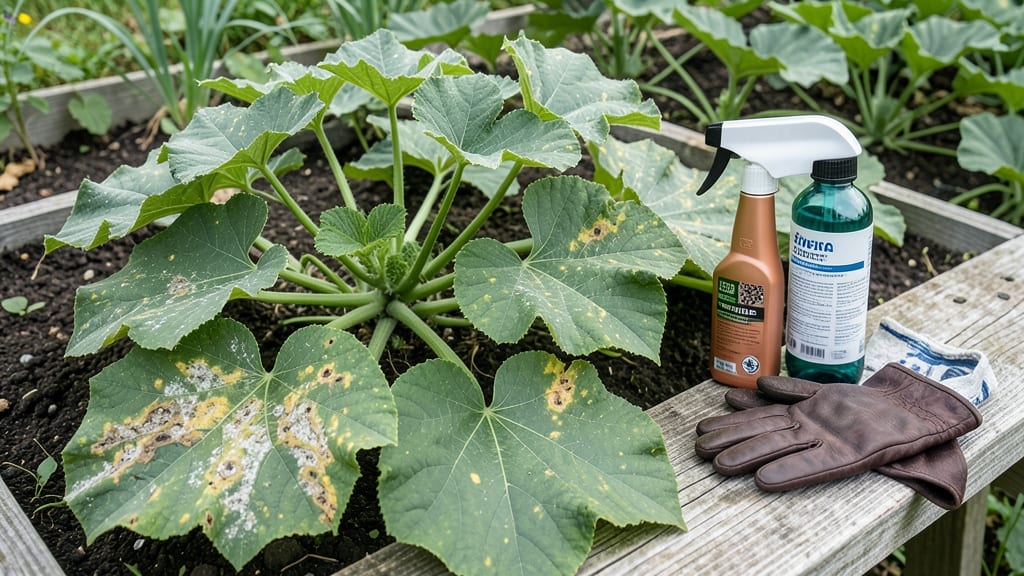
Squash leaf fungus turns your thriving vines into a sad, yellowed mess faster than you can say "harvest season." 🌱 I’ve watched powdery white blotches or fuzzy gray patches spread across my zucchini leaves—until I discovered copper spray’s secret power to revive plants in 48 hours without pruning a single leaf.
The fungus thrives when leaves stay damp, so proper spacing and airflow are your first line of defense. But when you spot those telltale spots, copper fungicide (organic or chemical) disrupts the infection cycle before it spreads.
No need to panic—just spray early, and your plants bounce back stronger than ever. By day three, you’ll see new growth pushing through, and the old spots fading. The key? Speed—catch it early, and your squash plants keep producing like nothing happened.
No pruning, no stress, just healthy vines and plentiful harvests. Works for powdery mildew, downy mildew, and early blight—no matter what’s attacking your leaves. Let’s get those plants back in fighting shape!
Why it happens
If your squash plants are battling fungal leaf spots, the issue likely stems from a mix of environmental stress, poor growing conditions, or weak plant defenses. Understanding these triggers is key to stopping the spread—and preventing future outbreaks.
Here’s why fungal infections like squash leaf fungus (often caused by pathogens such as Pseudoperonospora cubensis or Alternaria) take hold in your garden.
Fungal spores thrive in damp, stagnant conditions. When leaves stay wet for prolonged periods—whether from rain, overhead watering, or high humidity—they create the perfect breeding ground. Here’s how it happens:
- Morning dew + dense foliage: Dew lingers on leaves until midday, especially in shady or crowded plants. Fungal spores germinate and infect tissues within 6–12 hours.
- Overhead irrigation: Water droplets splash spores onto leaves, accelerating infection. Drip irrigation or soaker hoses reduce this risk by keeping foliage dry.
- Poor spacing: Crowded plants trap moisture and limit airflow. Aim for 3–4 feet between squash vines to improve circulation.
Actionable fix: Water at the base in the early morning (before 9 AM) to allow leaves to dry quickly. Use mulch (straw or grass clippings) to retain soil moisture without wetting foliage.
Fungi love moderate temperatures (60–80°F) with high humidity (70%+). Sudden shifts—like cool nights followed by warm, muggy days—weaken plant defenses and trigger outbreaks. Key culprits:
- Nighttime condensation: Greenhouses or plastic tunnels trap heat and moisture, creating a fungal paradise. Remove covers during the day to ventilate.
- Low-light stress: Shady conditions slow leaf drying and reduce photosynthesis, making plants more susceptible.
- Post-rain humidity spikes: Heavy rainfall followed by warm weather creates ideal spore germination conditions.
Actionable fix: Monitor humidity with a hygrometer (ideal range: 40–60%). Use fans or row covers to improve airflow in greenhouses.
Healthy squash plants resist fungi better. Stress from nutrient deficiencies, pests, or physical damage opens the door for infections. Common triggers:
- Nitrogen deficiency: Yellowing leaves (chlorosis) signal weak growth. Fungi exploit these gaps by breaking down compromised tissues.
- Pest damage: Squash bugs or aphids create wounds that fungi colonize. Remove pests with neem oil or soapy water sprays.
- Transplant shock: Recently transplanted squash are vulnerable for 2–3 weeks as roots establish.
Actionable fix: Feed plants with a balanced fertilizer (10-10-10) and compost tea to boost immunity. Avoid over-fertilizing with nitrogen—aim for 1–2 tbsp per plant every 3 weeks.
Fungal spores can lurk in soil, tools, or nearby plants. Even if your current crop is healthy, hidden spores may wait for the right conditions to strike. Sources include:
- Infected plant debris: Old leaves or vines left in the soil overwinter and release spores the next season.
- Contaminated water: Reusing water from a previously infected plant can spread spores.
- Wind or wildlife: Spores hitchhike on insects, birds, or breezes from infected neighboring gardens.
Actionable fix: Practice crop rotation (avoid planting squash in the same spot for 3 years). Sterilize tools with 10% bleach solution or rubbing alcohol between uses.
Pro tip: 💡 Early detection is critical—remove and destroy infected leaves immediately (don’t compost them!). Copper-based sprays (like the one in our revival method) create a protective barrier against spores before they take hold.
Quick Fixes For Fungal Leaf Damage
Fungal infections like squash leaf fungus can feel like a nightmare for gardeners, but don’t panic—there are fast, effective ways to revive your plants without drastic measures. Below, we’ve mapped out targeted solutions based on the most common causes, along with prevention tips to keep your squash thriving.
If your squash leaves are yellowing, wilting, or covered in mold, excess moisture is likely the culprit. Fungus loves damp conditions, so act now:
- 🍳 Reduce Watering Immediately Let the top 1–2 inches of soil dry out before watering again. Use a moisture meter or stick your finger in the soil to check—if it’s soggy, wait.
- 👨🍳 Improve Drainage If your pots or garden bed retain too much water, add perlite, sand, or compost to loosen the soil. For containers, drill drainage holes if missing.
- 🥘 Elevate Plants (If Possible) Use raised beds or containers to prevent water pooling. If in-ground, mound soil slightly around the base to encourage runoff.
💡 Pro Tip: Water early in the day (before 10 AM) so leaves dry quickly—fungus thrives in overnight dampness.
Fungus spreads faster in stagnant, humid air. If your squash is in a low-light or enclosed space:
- ✨ Increase Air Circulation
- Fan it out! Place a small oscillating fan nearby (on low) to keep air moving.
- Prune nearby plants blocking airflow—even just trimming a few leaves helps.
- Space plants 18–24 inches apart to reduce crowding.
- 🎯 Add Sunlight Move potted squash to a sunnier spot (6+ hours of direct light daily). If in-ground, thin out competing plants for better light access.
🔥 Emergency Fix: If humidity is extreme, mist leaves with a 1:10 water + hydrogen peroxide solution (3% peroxide) in the morning to deter spores.
If you’re seeing black, brown, or powdery patches, copper-based fungicides are your best bet—they work in 48 hours without pruning!
- 🔪 Apply Copper Spray (Organic Option) Use a ready-made copper fungicide (like Copper Soap or Bordeaux Mixture) or make your own:
- Mix 1 tsp copper sulfate + 1 gallon water + 1 tsp dish soap (as a spreader).
- Spray thoroughly on both leaf sides (especially undersides where spores hide).
- Reapply every 7–10 days until new growth appears.
- 🌿 Prevent Reinfestation
- Remove and destroy heavily infected leaves (don’t compost them!).
- Rotate crops next season—don’t plant squash, cucumbers, or melons in the same spot.
💡 Pro Tip: For organic growers, try a neem oil spray (1 tsp neem oil + 1 tsp soap per quart of water) as a preventive measure.
Once your squash recovers, lock in those gains with these habits:
| Problem | Solution | Prevention Tip |
|---|---|---|
| Overwatering | Water deeply but less often | Use drip irrigation to target roots |
| Poor Airflow | Space plants, use fans | Train vines upward (vertical gardening) |
| High Humidity | Improve ventilation | Avoid watering at night |
| Old Debris | Clean up fallen leaves | Mulch with straw (not wet hay) |
Final Thought: Fungal leaf issues are manageable—act fast, adjust care, and your squash will bounce back stronger. Copper spray + airflow = a fungus-free comeback in 48 hours! 🚀
Frequently asked questions
What’s the difference between powdery mildew and downy mildew on squash leaves?
Powdery mildew appears as white, powdery patches on leaf surfaces, while downy mildew shows up as yellow spots on top and fuzzy gray growth on the undersides. Both thrive in damp conditions, but powdery mildew spreads faster in dry heat, while downy mildew needs high humidity. Copper spray works for both, but downy mildew often requires more frequent applications.
Can I still harvest fruit from squash plants with fungal leaf spots?
Yes, but focus on fully mature fruits that are already on the vine when you first notice the fungus. Young, developing fruits may absorb fungal spores through the stem. Once harvested, wash fruits thoroughly with a 1:10 water and vinegar solution to kill any surface spores. Remove heavily infected leaves to reduce further spread.
Why does copper spray sometimes turn leaves black?
This happens when copper concentrations are too high or when applied to stressed, wet leaves. Always use the recommended dilution (like 1 tsp copper sulfate per gallon) and spray in early morning so leaves dry quickly. If blackening occurs, rinse leaves with clean water and reduce future copper applications by half. Neem oil is a gentler alternative for sensitive plants.
How long should I wait before replanting squash in the same spot after a fungal outbreak?
Wait at least 3 years before replanting squash in the same location to break the fungal life cycle. In the meantime, rotate with non-squash crops like beans, tomatoes, or herbs. For immediate results, remove all plant debris and treat the soil with compost or compost tea to rebuild beneficial microbes that suppress fungi.
Will baking soda really prevent squash leaf fungus?
Yes, but it’s most effective as a preventive measure rather than a cure. Mix 1 tbsp baking soda + 1 tbsp vegetable oil + 1 tsp dish soap per gallon of water and spray every 7–10 days during humid weather. The oil helps the baking soda stick to leaves, creating a protective barrier. For existing infections, combine it with copper spray for better results.