
Pests and Diseases
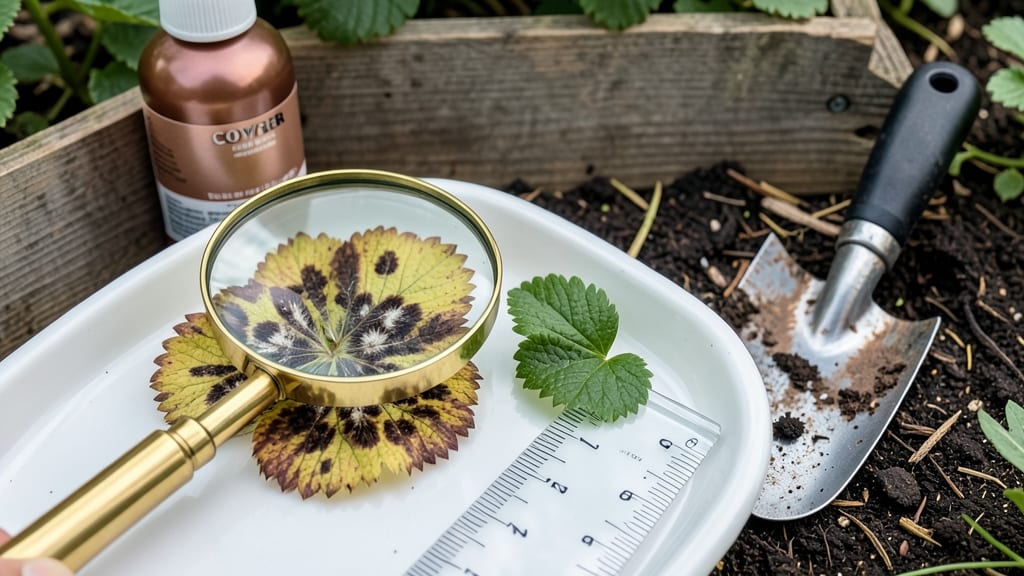
My strawberries looked like they’d been spray-painted with rust last summer—until I discovered how to stop strawberry leaf spot disease in its tracks with copper fungicide. 🌱 The key isn’t just spraying; it’s timing, technique, and a few sneaky cultural tweaks that keep the fungus from coming back.
Copper works because it disrupts the fungus’s cell walls, but you’ve got to apply it before the spots spread. I learned the hard way that waiting until the leaves are already crumbling means you’re playing catch-up.
The fastest results come from a preventive schedule—spray every 10-14 days during wet seasons, and always after heavy rain. What you’ll end up with is plants that stay green and productive instead of turning into a leaf-litter mess.
The berries taste sweeter too, because the plant isn’t wasting energy fighting disease. And yes, it works for organic gardens—just pick the right copper formulation. Here’s the step-by-step protocol that saved my patch. No more sad, spotted leaves by harvest time.
Root Causes Of Fungal Spread
Strawberry leaf spot disease—caused primarily by the Mycosphaerella fragariae fungus—doesn’t just appear out of nowhere. It thrives due to a mix of environmental, cultural, and biological factors. Understanding these triggers helps you disrupt the cycle before it takes hold.
Below are the key reasons why your strawberry plants become a buffet for this stubborn pathogen.
The fungus Mycosphaerella fragariae loves damp conditions. When humidity hovers above 90% for prolonged periods—or when leaves stay wet for more than 6–12 hours—spores germinate and infect plant tissue. Here’s why moisture is the #1 enabler:
- Prolonged leaf wetness: Dew, rain, or overhead irrigation create the perfect breeding ground. The fungus’s spores need free water to activate and penetrate leaf surfaces.
- Poor air circulation: Dense plantings or crowded rows trap humidity, giving the pathogen a foothold. Even a slight breeze helps evaporate moisture faster.
- Nighttime dew: Strawberries grown in high-humidity climates (like the Southeast U.S.) are especially vulnerable. Dew clings to leaves overnight, extending the window for infection.
Actionable fix: Space plants 12–18 inches apart, prune lower foliage for airflow, and water only at the base in the early morning. If humidity is chronic, consider a fan or shade cloth to dry leaves faster.
A healthy strawberry plant has natural resistance, but stress makes it an easy target. When plants are compromised, the fungus exploits their weakened state. Common stressors include:
- Nutrient deficiencies: Low nitrogen (N) or potassium (K) weakens cell walls, making them easier for fungal hyphae to invade.
- Physical damage: Hail, wind, or rough handling create entry points for spores. Even insect bites (like from spider mites) can open doors.
- Over-fertilization: Too much phosphorus (P) or synthetic nitrogen can suppress beneficial microbes in the soil, tipping the balance toward pathogens.
- Transplant shock: Newly planted strawberries take 4–6 weeks to establish roots. During this time, they’re highly susceptible to infections.
Actionable fix: Test soil pH (ideal: 5.8–6.5) and amend with compost or balanced fertilizer (e.g., 10-10-10). Avoid overhead watering after transplanting, and use mulch to protect roots from temperature fluctuations.
The fungus persists in the environment, and poor hygiene spreads it like wildfire. Here’s how:
- Infected plant debris: Leaves, runners, or old mulch left in the soil harbor spores for years. The fungus overwinters in dead tissue, ready to reinfect when conditions are right.
- Reused tools: Pruners, trowels, or trellises contaminated with Mycosphaerella spores can transfer the disease to healthy plants.
- Water sources: Drip irrigation systems or shared ponds can spread spores if they’re not disinfected regularly.
Actionable fix:
- ✅ Sterilize tools with a 10% bleach solution (1 part bleach to 9 parts water) or 70% rubbing alcohol between uses.
- ✅ Rotate crops—avoid planting strawberries in the same spot for 3–4 years to break the fungal cycle.
- ✅ Remove and destroy infected leaves (do not compost them!). Burn or bag them in sealed plastic.
Temperature and rainfall play a huge role in outbreak severity. The fungus thrives in:
| Factor | Ideal For Fungus | Your Goal |
|---|---|---|
| Temperature | 60–75°F (15–24°C) | Encourage above 80°F (27°C) during peak growth to slow spore production. |
| Rainfall | Frequent light showers (0.1–0.5 inches) | Reduce overhead watering; use drip irrigation to keep leaves dry. |
| Wind | Calm, stagnant air | Use windbreaks or fans to improve airflow. |
Actionable fix: Monitor local weather forecasts and time fungicide applications before rain events. If possible, grow strawberries in warmer microclimates (e.g., raised beds with black plastic mulch).
Pro tip: 💡 Early detection is key—scout plants weekly for small brown spots with yellow halos. Catching leaf spot in the first 2–3 weeks makes eradication 10x easier with copper fungicides.
Fixing Fungal Foliage Fast
Now that you understand the root causes of strawberry leaf spot disease—whether it’s humidity, poor airflow, or contaminated tools—it’s time to take action. The good news? With the right approach, you can reverse damage, protect your plants, and prevent future outbreaks without breaking the bank.
Below, we’ve mapped practical fixes directly to their causes, plus prevention tips to keep your strawberries thriving.
Cause: Fungal spores spread like wildfire when left unchecked. Fix:
- 🍳 Snip and Toss: Use sterilized pruners (wipe with rubbing alcohol between cuts) to remove all spotted or yellowing leaves. Don’t compost them—trash them to prevent reinfection.
- 🌡️ Prioritize Severity: Focus on leaves with large brown spots (with gray centers) first—they’re the biggest spore factories.
- ✨ Pro Tip: If the disease is mild, you might salvage a few leaves. But if over 20% of foliage is infected, it’s better to remove most leaves to stop the spread.
Cause: Fungal spores thrive in moist conditions, and chemical prevention is your best defense. Fix:
- 👨🍳 Apply Copper Fungicide Early: Use a fixed copper fungicide (like Copper Sulfate 50% WP or Copper Hydroxide) before you see symptoms. If the disease is already present, spray every 7–10 days for 3–4 weeks.
- 🥘 How to Mix & Spray:
- Mix: Follow label instructions (typically 1–2 tbsp per gallon of water).
- Spray: Apply evenly to the undersides of leaves (fungi love hiding there!) and stems. Use a backpack sprayer for large patches or a hose-end sprayer for quick coverage.
- ⏰ Best Time: Early morning (when humidity is high) or late evening (to avoid burning leaves in direct sun).
- 🎯 Prevention Boost: Add 1 tsp of baking soda + a few drops of dish soap per gallon of water as a natural fungicide supplement (great for organic growers).
Cause: Stagnant, damp air = fungal paradise. Fix:
- 🔪 Prune for Space: Thin out overcrowded plants so air circulates freely. Aim for 6–12 inches between plants.
- 🌡️ Water Wisely:
- 💧 Water at the Base: Avoid overhead sprinkling—wet leaves = fungal buffet. Use drip irrigation or a soaker hose.
- ⏰ Timing Matters: Water early in the day so foliage dries by night.
- 🌿 Mulch Right: Use straw or wood chips (not plastic) to keep soil moist but prevent leaf contact.
Cause: Contaminated pruners, pots, or soil can reintroduce spores. Fix:
- 🔪 Sterilize Tools: After pruning, wipe blades with 70% isopropyl alcohol or bleach solution (1 part bleach to 9 parts water).
- 🏡 Clean Workspace: Disinfect potting benches, greenhouse floors, and containers with the same bleach solution.
- 🌱 Rotate Crops: If growing strawberries in the same spot yearly, move them or practice crop rotation to break the fungal cycle.
Cause: Weak plants invite infections. Fix:
- 💪 Fertilize Smart: Use a balanced fertilizer (10-10-10) to boost plant health. Avoid over-fertilizing with nitrogen—it encourages lush foliage but weakens disease resistance.
- 🍎 Boost with Compost: Mix well-aged compost into the soil to improve drainage and nutrient uptake.
- 🌿 Choose Resistant Varieties: If leaf spot is chronic in your area, switch to disease-resistant strawberry varieties like ‘Albion’ or ‘Seascape’.
If more than 50% of leaves are infected, act fast:
- 🍳 Remove All Affected Plants: Dig them up and dispose of them (don’t compost).
- 🧼 Sterilize the Soil: Mix copper fungicide into the soil or apply hydrogen peroxide (3%) to kill lingering spores.
- 🌱 Plant New Stock: If possible, replace with healthy nursery plants (not cuttings from your garden).
Final Prevention Checklist (Do This Weekly!) ✅ Inspect leaves for early spots. ✅ Prune aggressively—don’t wait! ✅ Reapply copper fungicide if rain washes it off. ✅ Avoid overhead watering like the plague.
With these steps, you’ll crush strawberry leaf spot and keep your plants lush, productive, and disease-free—no more sad, spotted leaves! 🚀
Frequently asked questions
What do strawberry leaf spot symptoms look like in early stages?
Early signs include tiny brown spots (1/8-inch wide) with yellow halos on leaf surfaces. These spots often appear on older leaves first and may have gray centers as they mature. If you catch these early, you can stop the spread with copper fungicide before it becomes severe.
Can I still harvest strawberries if my plants have leaf spot?
Yes, but only if the fruit itself isn’t infected (leaf spot rarely spreads to berries). Focus on harvesting healthy berries first and avoid touching infected leaves. Remove any berries growing near heavily spotted foliage to minimize risk.
How often should I apply copper fungicide for prevention?
For prevention, spray every 10-14 days during wet seasons or when humidity is high. If you see early symptoms, switch to weekly applications for 3-4 weeks. Always apply in the early morning or evening to avoid leaf burn.
Will removing infected leaves really help stop the spread?
Removing all spotted leaves (especially those with gray centers) eliminates the fungus's spore production sites. Use sterilized pruners and dispose of leaves in sealed bags—never compost them. This can reduce spore load by up to 70% if done consistently.
What's the difference between leaf spot and powdery mildew on strawberries?
Leaf spot causes brown spots with yellow halos and often has gray centers, while powdery mildew appears as white, powdery patches on leaf surfaces. Leaf spot thrives in high humidity, while mildew prefers dry, warm conditions. Copper fungicide works for both, but mildew may respond better to neem oil applications.