
Pests and Diseases
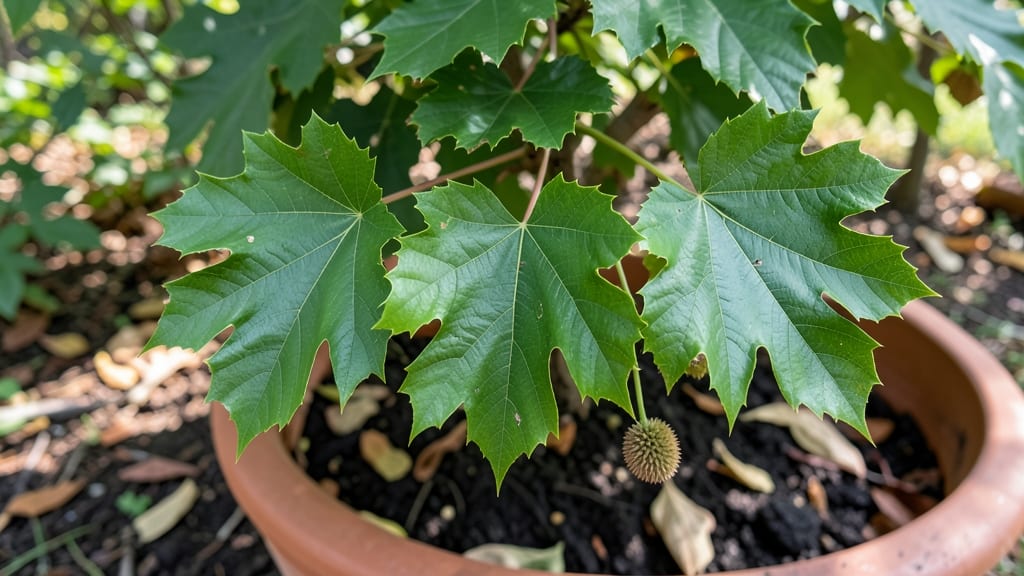
Sweet gum leaf arrangements—where leaves cluster abnormally on branches—often signal fungal infections like anthracnose or leaf spot. Prune affected leaves immediately, improve airflow, and apply neem oil or copper fungicide to prevent spread naturally.
When your sweet gum tree starts showing these abnormal leaf clusters, it’s usually a red flag for fungal trouble. 🌿 The problem often begins with spores landing on leaves, especially during humid weather, and thriving when airflow is poor.
These infections don’t just look unsightly—they can weaken the tree over time if left untreated. I’ve seen cases where homeowners ignored early signs, only to deal with widespread damage later.
What’s interesting is how quickly these issues spread. A single infected leaf can release thousands of spores, turning a small problem into a full-blown outbreak within weeks. That’s why acting fast—pruning affected areas and boosting airflow—makes all the difference in saving your tree’s health.
💡 In This Article
- Identifying Fungal Spots on Sweet Gum Leaves
- Natural Remedies for Sweet Gum Leaf Spots
Identifying fungal spots on sweet gum leaves
Fungal leaf spots on sweet gum trees typically start as small, dark brown or black lesions with yellow halos around them. These spots are caused by pathogens like Colletotrichum (anthracnose) or Cercospora (leaf spot), which thrive in warm, damp conditions.
The key difference from natural leaf drop is that fungal spots appear in clusters on younger leaves, while normal shedding happens uniformly on older foliage. 🌱
Humidity above 75% and poor air circulation create the perfect breeding ground for spores. You’ll often notice outbreaks after heavy rain or when trees are densely planted. The fungi enter through leaf stomata (tiny pores) and block nutrient flow, causing the characteristic yellowing and premature leaf drop.
Unlike bacterial infections, fungal spots rarely produce foul odors but instead leave a velvety, powdery texture on affected areas.
Early detection is critical because these pathogens spread rapidly. Start by examining the undersides of leaves—this is where spores first colonize. Look for 1/8-inch to 1/4-inch circular spots that enlarge over 3-5 days.
In severe cases, entire branches may become defoliated, leaving the tree vulnerable to secondary pests like scale insects or spider mites.
Sweet gum trees are particularly susceptible because their star-shaped leaves create dense canopies that trap moisture. Unlike oak or maple trees, sweet gums lack natural antifungal compounds in their sap, making them more prone to fungal invasions.
The best way to confirm an infection is to scrape a small spot—if it leaves a dark, powdery residue, it’s likely a fungal pathogen.
Seasonal patterns also play a role. Anthracnose peaks in spring when new growth emerges, while leaf spot thrives in late summer during prolonged humidity. If you see these symptoms recurring yearly, your tree may need structural pruning to improve sunlight penetration and reduce moisture retention in the canopy.
One common misconception is that all leaf discoloration is caused by environmental stress. However, fungal spots often appear in random patterns rather than uniformly across the canopy. This irregular distribution is a key diagnostic clue that separates fungal infections from nutrient deficiencies or pest damage.