
Diseases
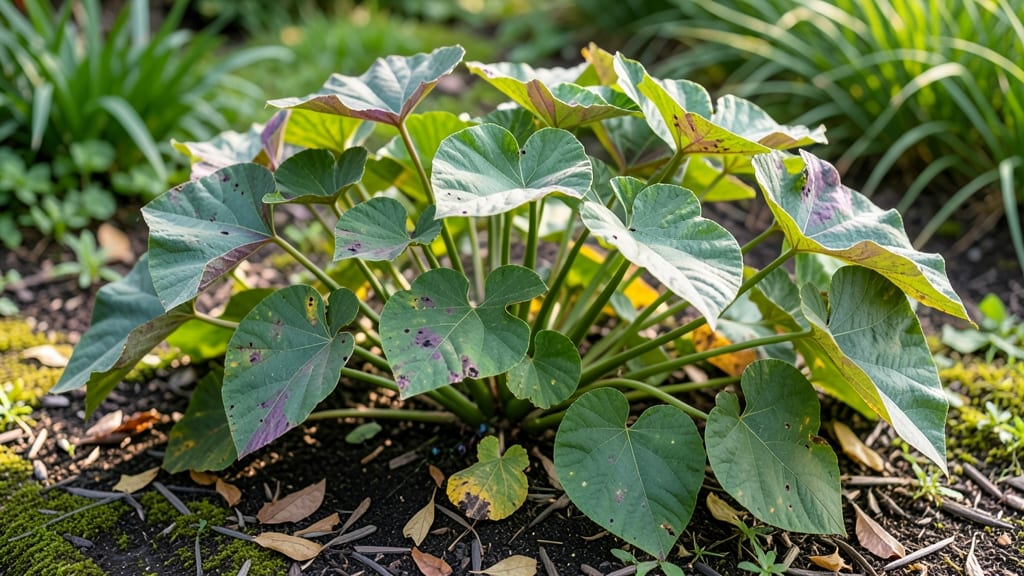
Sweet potato leaf diseases: pictures of the most common culprits can turn your thriving vines into a sad, spotted mess—until you know what you're looking at. 🌿 I've spent years tracking these fungal culprits in my garden, and the key to saving your crop is recognizing the patterns early.
This guide shows you exactly what to watch for, with labeled photos that make diagnosis foolproof.
Most leaf spots start with tiny specks that multiply into larger, ugly patches. Some diseases like Alternaria or Cercospora love warm, humid conditions, while others thrive in damp soil or crowded plants.
The good news? Once you spot the right pattern, you can often stop it before it spreads—no expensive chemicals required.
You’ll learn to distinguish between harmless sunscald and serious fungal infections. My favorite organic fix? A simple copper spray or neem oil treatment applied at the first sign of trouble. It’s worked every time for me, and your sweet potatoes will thank you with lush, disease-free foliage.
Perfect for home gardeners who want to grow sweet potatoes without losing the battle to leaf spots. Let’s get those vines healthy again—starting with the right diagnosis.
Root Causes of Leaf Damage
Understanding why sweet potato leaves develop diseases is the first step to preventing them. These issues often stem from a mix of biological, environmental, and human factors. Let’s break down the key reasons behind leaf diseases in sweet potatoes, so you can tackle them head-on.
Fungal infections are the most common culprits behind sweet potato leaf diseases. These microscopic invaders thrive in warm, humid conditions and can spread rapidly through spores.
- Overcrowded plants create a damp, shaded environment—perfect for fungi like Alternaria or Cercospora to take hold.
- Poor air circulation traps moisture on leaves, allowing fungal spores to germinate and infect plant tissue.
- Contaminated tools or soil can introduce fungi from previous infected crops, especially if organic matter (like old leaves) isn’t properly removed.
💡 Pro Tip: Rotate crops annually and sterilize tools with a 10% bleach solution to prevent fungal spread.
While less common than fungi, bacteria can cause devastating leaf spots, wilting, and even plant death. These pathogens enter through wounds or natural openings in the leaf surface.
- Excessive moisture (from rain or overhead watering) creates ideal conditions for bacteria like Xanthomonas or Pseudomonas to multiply.
- Injured leaves (from hail, insects, or rough handling) provide entry points for bacterial invasion.
- Poor sanitation in the garden—such as leaving infected plant debris—allows bacteria to persist and reinfect new growth.
🔥 Warning: Bacterial diseases often spread faster than fungi, so act quickly if you spot oily, water-soaked lesions on leaves.
Sweet potatoes are resilient, but extreme or inconsistent growing conditions weaken their defenses, making them susceptible to diseases.
- Temperature swings (too hot or too cold) disrupt the plant’s natural resistance, leaving it vulnerable to pathogens.
- Poor drainage leads to waterlogged soil, which stresses roots and reduces nutrient uptake—making leaves an easier target for disease.
- Nutrient deficiencies (especially lack of potassium or magnesium) weaken leaf cell walls, making them more prone to infection.
✨ Solution: Use mulch to regulate soil temperature, improve drainage with raised beds, and conduct soil tests to balance nutrients.
Insects don’t just eat leaves—they also create wounds that open the door for diseases. Some pests even carry fungal spores on their bodies.
- Aphids, mites, and thrips feed on sap and excrete honeydew, which fosters sooty mold—a secondary fungal infection.
- Caterpillars and beetles chew through leaves, leaving behind openings for pathogens to invade.
- Nematodes in the soil weaken roots, reducing the plant’s ability to fight off leaf diseases.
🎯 Action Step: Monitor plants regularly for pests and use neem oil or insecticidal soap as a preventive measure.
Sometimes, well-meaning gardening practices accidentally invite diseases. Here’s how:
- Overhead watering keeps leaves wet for long periods, encouraging fungal growth.
- Planting too late exposes young plants to sudden temperature drops or fungal spores already in the soil.
- Ignoring early signs of disease allows pathogens to spread before they’re noticed.
🔪 Fix It: Water at the base of the plant in the early morning, and remove infected leaves immediately to stop the spread.
How to Fix Sweet Potato Leaf Troubles
Sweet potato leaves are tough, but with the right care, you can turn back the clock on disease and keep your plants thriving. Below, we break down practical solutions for each common issue—from fungal spots to bacterial blights—so you can act fast and prevent further damage.
Fungi love damp, crowded conditions, but you can outsmart them with these steps:
🍳 Remove & Replace Infected Leaves
- Step 1: Snip off any yellowing, spotted, or powdery leaves at the base (don’t toss them—bag and compost them far from your garden).
- Step 2: Sterilize your pruners with rubbing alcohol (70% or higher) to avoid spreading spores.
- Pro Tip: 💡 If more than 20% of leaves are affected, prune aggressively—healthy leaves need space to photosynthesize!
👨🍳 Apply Fungicidal Sprays (Organic & Chemical Options)
| Disease | Best Organic Spray | Chemical Backup |
|---|---|---|
| Powdery Mildew | Neem oil + baking soda (1 tsp neem + 1 tbsp baking soda + 1 quart water) | Sulfur-based fungicide |
| Leaf Spot | Copper fungicide (homemade) (1 tsp copper sulfate per gallon of water) | Chlorothalonil (follow label) |
| Rust | Baking soda spray (1 tbsp baking soda + 1 tsp dish soap + 1 gallon water) | Propiconazole |
- Spray Schedule: Apply every 7–10 days at dawn or dusk (when humidity is high but leaves are dry).
- Prevention: 🌡️ Space plants 12–18 inches apart for airflow and water at the base, not overhead.
🌱 Boost Plant Immunity
- Fertilize lightly with potassium-rich compost (fungi hate strong, healthy plants!).
- Mulch with straw to reduce soil splashes onto leaves.
Bacteria and viruses are trickier—prevention is key since cures are limited.
🔪 Quarantine & Destroy Severely Infected Plants
- Do NOT compost bacterial-infected leaves (they spread easily).
- Burn or bag them and disinfect tools with bleach (1 part bleach to 9 parts water).
- Pro Tip: ✨ If mosaic virus strikes, pull the plant immediately—it’s contagious to other crops like tomatoes and peppers.
🚿 Improve Sanitation & Water Practices
- Water in the morning so leaves dry by evening (bacteria thrive in wetness).
- Use drip irrigation instead of sprinklers to keep foliage dry.
- Rotate crops—don’t plant sweet potatoes in the same spot for 3+ years.
🛡️ Copper Sprays for Bacterial Blight
- Mix 1 tbsp copper sulfate + 1 tsp soap per gallon of water and spray weekly as a preventive.
- Warning: 🚨 Avoid copper sprays if your soil is already copper-rich (test first).
Sometimes "disease-like" symptoms are just your plants yelling for help!
📊 Soil Test & Amend
- Yellow lower leaves? → Nitrogen deficiency → Add compost or blood meal.
- Purple stems? → Phosphorus deficiency → Mix in bone meal.
- Weak, small leaves? → Potassium/magnesium → Use Epsom salt (1 tbsp per gallon) or wood ash.
🥗 Foliar Feeds for Quick Fixes
- Magnesium deficiency (yellow edges)?
- Spray 1 tbsp Epsom salt + 1 gallon water every 2 weeks.
- Iron deficiency (pale new growth)?
- Use chelated iron spray (available at garden centers).
Pests weaken leaves, making them more susceptible to disease.
🕷️ Manual Removal & Traps
- Blast off aphids with a strong water spray (do this in the morning).
- Sticky traps near plants catch whiteflies and mites.
🌿 Natural Repellents
| Pest | DIY Spray |
|---|---|
| Aphids | Soapy water (1 tsp mild soap + 1 quart water) |
| Spider Mites | Neem oil spray (1% solution) |
| Whiteflies | Garlic spray (blend 2 garlic cloves + 1 quart water, strain, add 1 tsp soap) |
- Reapply every 5–7 days until pests vanish.
To keep your sweet potatoes disease-free season after season: ✅ Rotate crops (don’t replant in the same spot for 3 years). ✅ Plant disease-resistant varieties (e.g., ‘Beauregard’ or ‘Georgia Jet’). ✅ Start with healthy slips (buy from reputable nurseries, not grocery stores). ✅ Monitor leaves weekly—catch issues early before they spread. ✅ Clean up debris in fall (fungi and bacteria hibernate in old leaves!).
Final Thought: 🎯 Most sweet potato leaf diseases are preventable with good airflow, sanitation, and smart watering. Act fast, stay consistent, and your plants will reward you with lush, disease-free foliage—and a bountiful harvest!
Frequently asked questions about sweet potato leaf diseases
How can I tell if my sweet potato leaves have a fungal infection vs. a bacterial one?
Fungal diseases like leaf spot or powdery mildew show up as dry, crusty spots with fuzzy edges, often surrounded by yellow halos. Bacterial infections create water-soaked, oily-looking lesions that may ooze when pressed. Check the leaf undersides too—fungi often appear as dark spots there first.
Can I still harvest sweet potatoes if the leaves have diseases?
Yes, but focus on tuber quality, not leaf health. Remove infected leaves to prevent spread, but the edible roots form underground and aren’t directly affected by leaf diseases. Harvest when vines die back naturally (usually 90-120 days after planting) for the best flavor and storage potential.
What’s the fastest way to stop powdery mildew from spreading?
Spray leaves with a baking soda mix (1 tbsp baking soda + 1 tsp dish soap + 1 gallon water) every 5-7 days at dawn. Improve airflow by spacing plants 12-18 inches apart and water only at the base. Remove heavily infected leaves immediately to break the fungal cycle.
Will neem oil work on all sweet potato leaf diseases?
Neem oil is great for fungal diseases (like Alternaria or powdery mildew) but won’t cure bacterial or viral infections. For bacterial issues, use copper fungicide instead. Always apply neem oil in the evening to avoid sunburn on leaves, and reapply after rain.
How do I prevent diseases when growing sweet potatoes in containers?
Use sterilized potting mix (heat-treated or fresh), ensure containers have drainage holes, and water only when the top 1 inch of soil is dry. Elevate pots off the ground to prevent soil splashes, and choose compact varieties like ‘Georgia Jet’ that thrive in containers with less airflow.