
Size
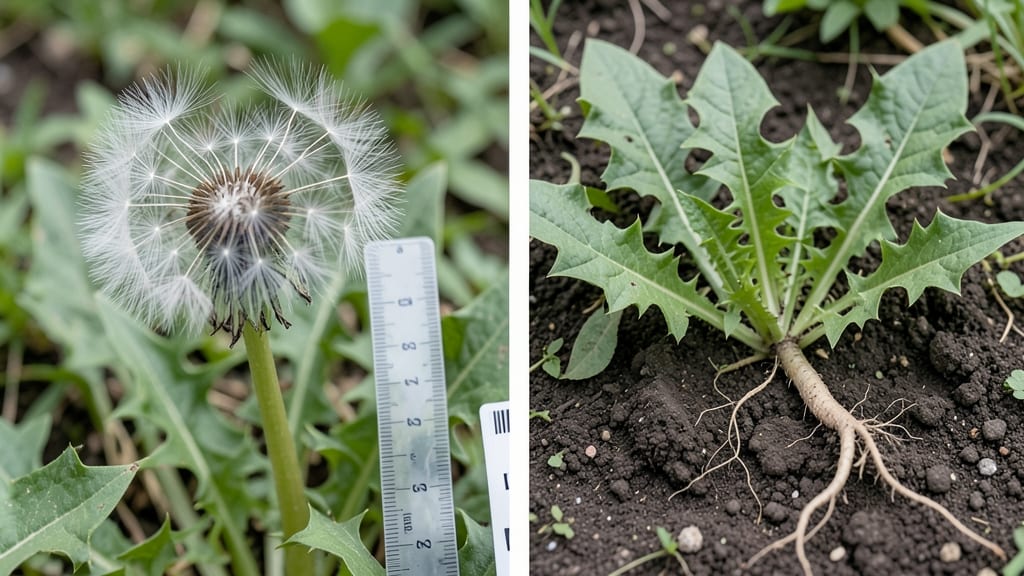
Spotting a tall broadleaf weed identification before they steal your garden’s nutrients is half the battle. 🌱 I’ve wrestled with towering dandelions and stubborn plantain—both give away their identities through leaf shape, stem texture, and even the way they grow.
These weeds aren’t just unsightly; they outcompete your veggies and flowers for water, leaving your plants stunted and stressed.
Take dandelions, for example—their jagged, toothed leaves and milky sap when broken are dead giveaways. Plantain flattens against the soil with its broad, oval leaves and ribbed texture, while chickweed sprawls with tiny, egg-shaped leaves and a slightly fuzzy look.
The key is to check the leaf arrangement: alternate patterns on stems usually mean a weed, not your prized basil or tomatoes.
Once you recognize them, removal gets fast—just pull at the base (roots included) or smother them with cardboard and mulch. No harsh chemicals needed. I’ve cleared entire garden beds in under an hour this way, and the difference in my plants’ growth? Night and day.
Regional hotspots? Look for bindweed in the South (with its arrowhead-shaped leaves) or creeping Charlie in the North (a mint-family imposter). The sooner you ID them, the sooner your garden reclaims its space—and your sanity.
Root Causes of Unwanted Growth
Tall broadleaf weeds don’t just pop up by accident—they thrive because of specific environmental and human-driven factors. Understanding these causes helps you prevent their return and tackle them more effectively. Here’s why they become such a nuisance in your yard, garden, or landscape.
Broadleaf weeds love opportunity, and disturbed soil is their golden ticket. When soil is disrupted—whether by construction, foot traffic, or even tilling—it exposes fresh, nutrient-rich layers perfect for weed seeds to germinate. These seeds lie dormant in the soil until light and moisture trigger their growth.
Why it matters: Compaction from mowers, shovels, or heavy rain can also create micro-environments where weeds like dandelions or chickweed sprout faster than grass. Even a single bare patch can become a weed hotspot if left unattended.
Actionable tip: Overseed or mulch disturbed areas to block light and prevent germination. A thick layer of 3–4 inches of mulch can suppress up to 90% of weed seeds.
Weeds like lamb’s quarters and pigweed thrive in moist conditions because they’re adapted to retain water efficiently. Overwatering—whether from excessive irrigation, poor drainage, or water pooling—creates the perfect breeding ground. Even shallow-rooted weeds (like plantain) exploit soggy soil to outcompete slower-growing plants.
Why it matters: Clay-heavy or compacted soil holds water longer, while sandy soil drains too quickly, leaving weeds vulnerable to drought stress. The key is consistency: weeds hate dry spells but love steady moisture.
Actionable tip:
- 🔥 Test your soil’s drainage by digging a 6-inch hole and filling it with water. If it drains in <1 hour, you’re good; if it pools, amend with compost or sand.
- 🌡️ Water deeply but infrequently (1–1.5 inches per week) to encourage deep grass roots that shade out weeds.
Broadleaf weeds are heliophytes—they crave sunlight. When grass or ground cover is sparse (due to drought, disease, or poor maintenance), weeds like henbit or bindweed seize the opportunity to soak up every ray. Even shade-tolerant weeds (e.g., garlic mustard) will spread aggressively if competing plants are weak.
Why it matters: Grass clippings left too thick can smother lawns, while over-trimming exposes soil. Weeds also produce more seeds in full sun, creating a self-perpetuating cycle.
Actionable tip:
- 🎯 Mow high (3–4 inches for cool-season grass, 2–3 inches for warm-season) to shade the soil and crowd out weeds.
- ✨ Plant dense ground covers like clover or creeping thyme in high-traffic or shady areas to block light.
Weeds often dominate because they’re nutrient hogs. Fast-growing broadleaf weeds (like ragweed or smartweed) thrive in soil rich in nitrogen, which they absorb quickly. Meanwhile, low phosphorus or potassium weakens desirable plants, making them easier targets for invasion.
Why it matters: Over-fertilizing with nitrogen (common in lawns) fuels weed growth while under-fertilizing starves out grass. Even organic matter (like compost) can attract weeds if not balanced with proper soil testing.
Actionable tip:
- 📊 Get a soil test (via your local extension office) to check pH and nutrient levels. Aim for pH 6.0–7.0 for most lawns.
- 💪 Use slow-release fertilizers or organic options like bone meal (phosphorus) or greensand (potassium) to strengthen grass roots.
Most broadleaf weeds don’t even grow from existing plants—they hitchhike in. Seeds travel via wind (dandelions), animals (stickseed), contaminated mulch, or even your shoes and tools. A single purslane plant can produce 50,000+ seeds, ensuring a year-round supply for future invasions.
Why it matters: Landscaping fabric tears easily, and birdseed or wildflower mixes often contain weed seeds. Even "weed-free" products can have hidden contaminants.
Actionable tip:
- 👨🍳 Inspect new soil, mulch, or plants before bringing them home—look for tiny green sprouts or seed packets labeled "noxious weed-free."
- 🔪 Clean tools and boots after working in infested areas to avoid spreading seeds.
- 🌡️ Remove weeds before they seed (especially in spring and fall, their peak germination times).
Quick Fixes for Stubborn Tall Weeds
Tall broadleaf weeds can feel like an endless battle, but with the right approach, you can reclaim your yard or garden without breaking a sweat. The key is matching the cause of the weed problem to the best solution—whether it’s overcrowding, poor soil health, or just plain neglect.
Below, we break down practical fixes tailored to your specific situation, plus prevention tips to keep weeds from staging a comeback.
Cause: Weeds thrive when they’re not regularly trimmed or disturbed. Fix: Stay one step ahead with consistent upkeep.
- 🔥 Hand-Pulling (Best for Small Patches) - Wait for rainy or damp days—soil is easier to loosen, and weeds pull out cleaner. - Grab weeds at the base (where the roots meet the soil) and wiggle them free.
A weed puller tool (like a dandelion digger) helps for deep roots. - Pro Tip: Pull in the early morning or late evening to avoid the midday sun’s stress on plants.
- ✂️ Mowing High (For Lawns)
- Set your mower to 3–4 inches to shade out weed seeds and crowd them out.
- Avoid bagging clippings—leave them as natural mulch to smother weeds.
- 🌡️ Solarization (For Bare Soil)
- Cover weed-infested areas with clear plastic sheeting for 4–6 weeks in hot sun. The trapped heat kills weeds and seeds.
- Works best in summer when temps exceed 85°F (29°C).
Cause: Weeds love weak soil—compacted, dry, or lacking organic matter. Fix: Improve soil health to make it harder for weeds to take root.
- 🍳 Add Organic Matter
- Spread a 2–3 inch layer of compost or mulch (wood chips, straw) over the area. This blocks sunlight and suffocates weeds while feeding your soil.
- Pro Tip: Use cardboard or newspaper under mulch for extra weed suppression in high-traffic areas.
- 💡 Aerate Compacted Soil
- Rent a core aerator to punch holes in compacted lawns, then top-dress with compost.
- For gardens, dig in sand or perlite to improve drainage and reduce weed seed germination.
- 🌱 Pre-Emergent Herbicides (Timed Use)
- Apply a pre-emergent herbicide in early spring (before weeds sprout) to prevent germination.
- Warning: These only work on new seeds—won’t kill existing weeds. Follow label instructions carefully.
Cause: Large infestations or weeds in driveways/pavement where manual removal is tough. Fix: Targeted herbicide use for maximum effectiveness.
- 🔪 Spot-Treat with Post-Emergent Herbicides
- Use a glyphosate-based herbicide (like Roundup) or vinegar + dish soap (for organic options) directly on leaves to avoid killing nearby plants.
- Best Time: Apply on a warm, sunny day (weeds absorb more herbicide).
- Pro Tip: Reapply after rain if the area was wet during treatment.
- 🌿 Selective Herbicides for Lawns
- For broadleaf weeds in grass, use a 2,4-D or triclopyr product. These target weeds while sparing grass.
- Avoid overspray—use a shielded sprayer to protect desired plants.
- 🚫 Avoid Overuse
- Herbicides can kill beneficial insects and harm soil microbes. Use them only when necessary and follow reapplication intervals.
Stop weeds before they start with these low-effort habits:
| Problem | Solution | How Often |
|---|---|---|
| Weed seeds in soil | Mulch heavily (3–4 inches) | Spring & fall |
| Bare soil patches | Plant ground covers (clover, creeping thyme) | Once established |
| Cracks in pavement | Seal cracks with gravel or sand | Every 2–3 years |
| Overwatered lawns | Water deeply but less often | 1–2x per week |
| Pet/foot traffic | Lay landscape fabric under mulch | One-time setup |
- 🥗 Corn Gluten Meal: Sprinkle in early spring to prevent weed seeds from germinating (works best in new garden beds).
- 🌿 Living Mulches: Plant dense ground covers like creeping jenny or ajuga to outcompete weeds.
- 🍎 Coffee Grounds: Sprinkle used grounds around plants—they acidify soil, deterring many broadleaf weeds.
Remember: Consistency is key! Weeds don’t disappear overnight, but with regular maintenance and soil improvements, you’ll see a dramatic reduction in just a few weeks. 🚀
Frequently asked questions
What’s the quickest way to tell if a tall plant is a weed?
Check for these red flags: alternate leaf patterns (not opposite like mint), smooth stems (no hairy textures), and rapid growth compared to nearby plants. Weeds also often have deep taproots (like dandelions) or sprawling habits (chickweed). If it’s flowering early or producing seeds, it’s likely a weed.
Can tall broadleaf weeds harm my garden plants?
They compete for water, nutrients, and sunlight, stunting your veggies and flowers. Some, like bindweed, even strangle plants by climbing over them. The longer you wait, the more damage they cause—pull them before they reach 12 inches tall for best results.
Why do some weeds keep coming back even after pulling?
Most likely, you missed the roots or didn’t remove them deep enough. Weeds like plantain have fibrous roots, while dandelions have long taproots. Use a weed puller tool or dig 3–4 inches deep to prevent regrowth. Pro tip: Pull on damp soil for easier extraction.
Are there any tall broadleaf weeds that are actually good for gardens?
Yes! Comfrey and lamb’s quarters are edible and nutrient-rich. Dandelions provide early spring pollen for bees. The key is distinguishing them: beneficial plants usually have thicker stems and larger leaves than aggressive weeds. Always verify before consuming!
How can I prevent weeds from spreading to my lawn?
Start with a 3–4 inch mulch layer in garden beds and mow high (3–4 inches) to shade out seeds. Fix bare spots with grass seed or ground covers like clover. For stubborn weeds, apply corn gluten meal in early spring—it blocks germination without chemicals.