
Plants
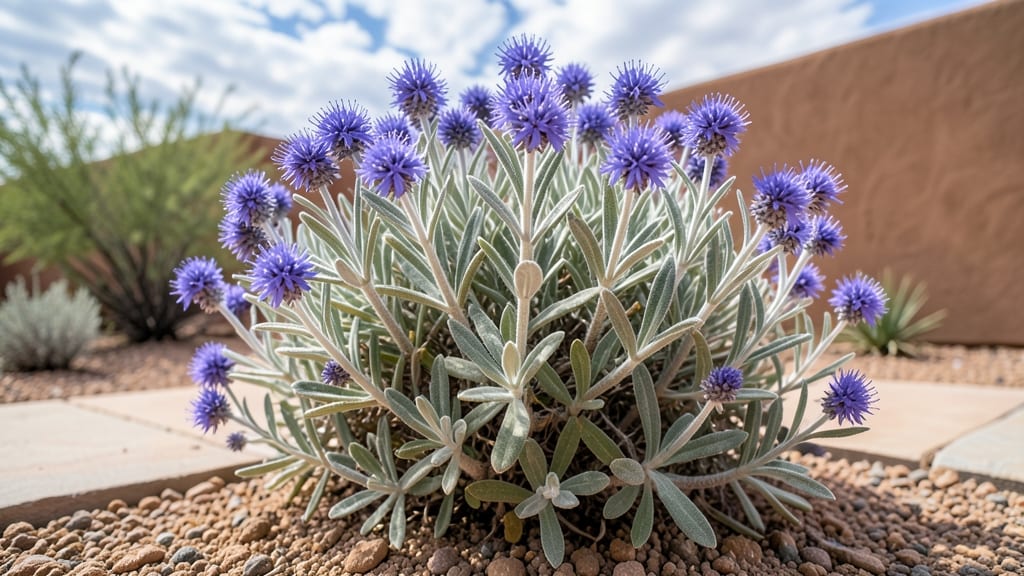
Growing Texas sage leaf means adding that silvery-blue magic to your landscape—it’s the plant that blooms purple after rain and survives when everything else wilts. 🌿 I’ve seen it turn brown, crispy patches into lush, bushy shrubs with just a little patience, and it’s become my go-to for low-water, high-impact gardens.
The leaves feel like velvet when you brush them, and that drought-defying resilience makes it perfect for Texas heat.
This plant thrives in full sun and well-draining soil—no fancy amendments needed. It’s the kind of shrub that rewards neglect but rewards care even more, with bursts of lavender blooms that hummingbirds can’t resist.
Once established, it sips water like a camel, making it ideal for water-wise landscapes or rocky slopes where other plants struggle.
You’ll love how it stays compact (3-6 feet tall) yet fills out beautifully, creating a soft, textured backdrop for brighter annuals. Prune lightly after blooming to shape it, and watch it bounce back with that signature silvery foliage—even in scorching summers.
It’s the plant that says, “I’m tough, but I’m elegant too.”
Perfect for borders, slopes, or as a standalone specimen, Texas sage leaf is the secret weapon for gardens that need both beauty and brains. Let’s get yours growing strong!
📚 In This Guide
- What you need
- Instructions
- Tips and common mistakes
- Wrapping up and next steps
What you need
- ● Texas Sage Plant: 1 nursery-grown plant (3–5 gallons, mature size 3–6 ft tall/wide) OR
- ● Seeds (if starting from scratch—germination can be tricky!)
- ● OR rooted cuttings (6–12 inches long, from a healthy plant)
- ● Well-Draining Soil: Native Texas soil mix (amend with 50% coarse sand or gravel for drainage) OR
- ● Commercial cactus/succulent blend (avoid heavy garden soil!)
- ● Sunlight: Full sun (6+ hours daily) in a sheltered, wind-protected spot.
- ● Watering Can or Drip Irrigation: For deep but infrequent watering (avoid soggy roots!).
- ● Pruning Shears: Sharp, clean pair (sterilize with rubbing alcohol between cuts).
- ○ Organic Mulch (Optional but Helpful): 1–2 inches of gravel or decomposed granite (retains moisture, deters weeds).
- ● Gloves: Heavy-duty gardening gloves (Texas Sage has tiny thorns!).
- ● Trowel or Shovel: For transplanting (if starting from seeds/cuttings).
- ○ pH Test Kit (Optional): Ideal soil pH: 6.0–8.0 (alkaline-friendly!).
- ● Fertilizer (Light Use): Balanced, low-nitrogen fertilizer (5-10-5 ratio) only in spring.
- ● Stakes & Twine (For Young Plants): If your area has strong winds.
Step-by-step instructions for growing Texas sage leaf
Here’s how to cultivate this drought-loving beauty with minimal fuss—perfect for Texas heat.
🌱 Step 1: Choose the Right Location and Soil
Texas sage (Leucophyllum frutescens) thrives in full sun—at least 6-8 hours daily—and well-draining soil. If your yard has heavy clay, mix in 1-2 inches of coarse sand or perlite to improve drainage. I like to test the soil by squeezing a handful: if it stays clumped, it’s too dense.
This plant tolerates poor soil but grows best in slightly alkaline conditions (pH 6.0-8.0). If your soil is acidic, add a handful of crushed limestone to the planting hole. Texas sage’s silvery foliage signals it’s happy—deep green leaves mean it’s struggling.
🪴 Step 2: Plant at the Correct Depth and Spacing
Dig a hole twice as wide as the root ball but no deeper. Gently remove the plant from its container and loosen any circling roots with your fingers. Place it in the hole so the top of the root ball sits level with the soil surface—burying too deep suffocates the plant.
Space plants 3-5 feet apart for mature size (Texas sage grows 3-6 feet tall and wide). I plant mine in clusters of three for a natural, drought-resistant hedge. Water deeply after planting to settle the soil, but avoid soggy conditions—this plant hates wet feet.
☀️ Step 3: Water Deeply but Infrequently
Texas sage’s secret weapon is its drought tolerance. Water deeply once a week during the first growing season to encourage deep root growth. After establishment, water only when the top 2 inches of soil feel dry—usually every 2-3 weeks in summer. Overwatering causes root rot, and you’ll know it’s too much when leaves turn yellow.
This plant blooms spectacularly after a dry spell—soak the soil thoroughly, then let it dry completely before watering again. The silvery foliage stays vibrant even in 100°F+ heat, proving it’s built for Texas summers.
✂️ Step 4: Prune for Shape and Encourage Blooms
Prune Texas sage right after flowering (late fall or early winter) to maintain shape and encourage next year’s blooms. Cut back one-third of the plant to stimulate new growth. Avoid heavy pruning in summer—it stresses the plant and reduces flowering.
Remove any dead or diseased branches with clean, sharp pruners. I like to shape mine into a rounded form for a polished look, but it also thrives as a wild, natural hedge. Never prune into old wood—new growth comes from the current season’s stems.
⏰ Step 5: Protect from Frost and Winter Care
Texas sage is evergreen in mild winters but may drop leaves in below 20°F temperatures. If frost is forecast, cover young plants with burlap or frost cloth to prevent damage. Mature plants usually bounce back, but new growth is more sensitive.
In late winter, apply a light layer of mulch (like 1-2 inches of gravel or pine straw) to protect roots from temperature swings. This plant is tough, but a little extra care in its first few years ensures it thrives for decades with almost no maintenance.
Tips & tricks for growing Texas sage leaf
Here's what nobody tells you about making this drought-resistant plant thrive—without the guesswork.
Sunlight Secret: While Texas sage loves full sun, I've found that morning sun with afternoon shade works best in extreme 100°F+ heat. The leaves stay vibrant longer, and you'll notice fewer signs of stress. If planting near a west-facing window, consider a sheer curtain to filter intense afternoon rays during peak summer months.
Soil Test Hack: Don't have a pH test kit? Grab a handful of your garden soil and mix it with equal parts white vinegar. If it fizzes vigorously, your soil is alkaline (perfect for Texas sage). No fizz? You'll need that crushed limestone to adjust the pH. This simple test saves you from buying unnecessary amendments.
Watering Wisdom: The "top 2 inches dry" rule works, but I've learned to check soil moisture at the 4-inch level too—this is where the roots actually go looking for water. Use a screwdriver to poke the soil; if it comes out clean, your plant is ready for another drink. This prevents both underwatering and overwatering.
Pruning Pro Tip: When cutting back one-third of the plant in late fall, focus on removing the oldest stems first. These are the ones that won't produce new growth. I like to make my cuts just above a leaf node where new shoots will emerge. This technique keeps your Texas sage bushy and encourages more flowering in spring.
Pro Tips for Texas Sage Leaf
- Here's what nobody tells you about making this drought-resistant plant thrive—without the guesswork.
- Sunlight Secret: While Texas sage loves full sun, I've found that morning sun with afternoon shade works best in extreme 100°F+ heat.
- Soil Test Hack: Don't have a pH test kit?
Frequently asked questions
How fast does Texas sage leaf grow?
Texas sage (Leucophyllum frutescens) grows at a moderate pace—expect 12–24 inches per year under ideal conditions. While it’s not a speedy grower, its silvery foliage and stunning blooms make it worth the wait! Prune lightly after flowering to encourage bushier growth.
Can Texas sage survive freezing temperatures?
Yes! This hardy plant thrives in USDA Zones 7–11 and can tolerate brief dips to 10°F (-12°C). However, prolonged freezing or heavy frost may damage new growth. For extra protection, mulch the base or cover young plants with frost cloth in winter.
How often should I water Texas sage leaf?
Once established, Texas sage is drought-tolerant—water deeply but infrequently, about once every 2–3 weeks (or when the top 2 inches of soil are dry). Overwatering leads to root rot, so avoid soggy soil. New plants need more frequent watering (weekly) until roots establish.
What’s the best way to prune Texas sage?
Prune right after flowering (late fall or early winter) to shape the plant and encourage dense growth. Use clean, sharp shears to trim back 1/3 of the plant if needed. Avoid heavy pruning in spring—it removes potential blooms. Pro tip: Wear gloves—Texas sage has tiny hairs that can irritate skin!
Why isn’t my Texas sage blooming?
Texas sage blooms only when stressed—usually after a dry spell or heatwave. If it’s not flowering, check these fixes:
- Water less (drought triggers blooms).
- Ensure full sun exposure (6+ hours daily).
- Fertilize lightly in early spring (use low-phosphorus fertilizer).
- Rule out over-pruning (too much trimming removes flower buds).
Are there alternatives to Texas sage for drought-prone gardens?
If you love Texas sage’s silvery look and low-water needs, try these drought-resistant swaps:
- Lavender (Lavandula) – Fragrant and pollinator-friendly.
- Mexican Feather Grass (Nassella tenuissima) – Airy texture, minimal care.
- Blackfoot Daisy (Melampodium leucanthum) – Tiny white blooms, heat-loving.
- Desert Spoon (Dasylirion wheeleri) – Architectural and arid-adapted.
Wrapping up and next steps
Growing Texas sage leaf (or Leucophyllum frutescens) is a fantastic way to add drought-resistant beauty to your landscape while supporting native ecosystems. With its silvery foliage and stunning purple blooms, this hardy plant thrives in heat and low-water conditions—perfect for Texas gardens!
Whether you're a seasoned gardener or just starting, its low-maintenance nature makes it a rewarding choice.
Ready to transform your outdoor space? Start by selecting the right spot—full sun and well-draining soil are key—and plant your Texas sage leaf today. Watch as it flourishes with minimal effort, bringing both charm and resilience to your yard! 🌵✨