
Planting
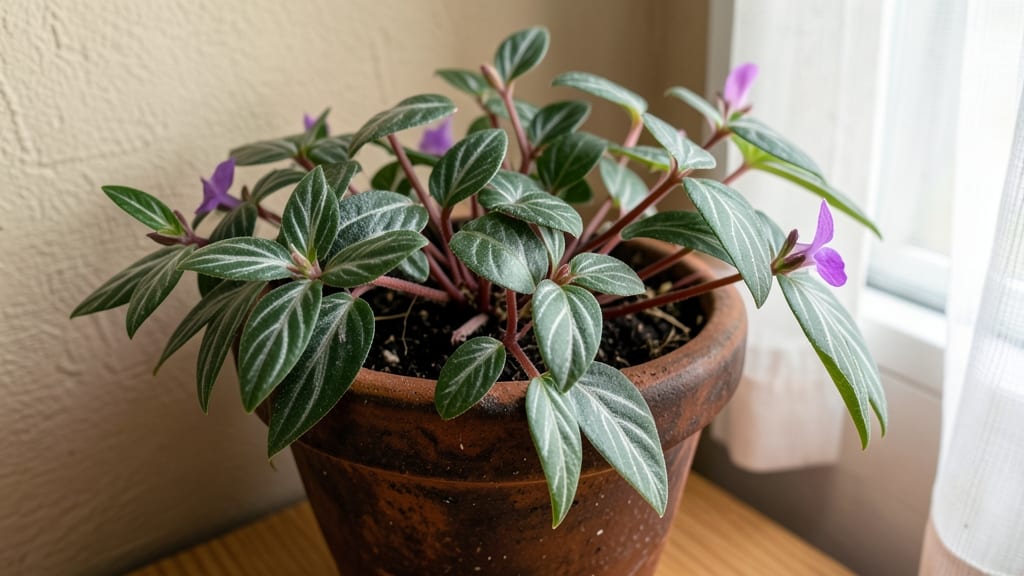
That three-pointed leaf plant with its striking emerald foliage and delicate pink blooms transforms any garden into a lush, evergreen masterpiece. 🌿 I fell in love with its cold-hardy resilience after struggling with tropical plants that wilted at the first frost—this one thrives when others falter.
The secret lies in its adaptability: it flourishes in partial shade where many perennials struggle, tolerates temperatures down to 10°F, and even blooms sporadically in winter. Its triangular leaves, often mistaken for clover, create a textured carpet that contrasts beautifully with hostas and ferns.
You’ll need well-draining soil (amend heavy clay with compost) and consistent moisture—never soggy roots. Propagation is easy: divide clumps in spring or collect seed pods for next year’s garden. Just watch for slugs on young leaves and avoid overcrowding. Once established, this plant spreads reliably, filling gaps naturally.
My patch now covers 6 square feet with minimal effort, proving that drama in the garden doesn’t require constant maintenance—just the right plant in the right place.
📚 In This Guide
- What you need
- Instructions
- Tips and common mistakes
- Wrapping up and next steps
What you need
- ● Three-pointed leaf plant seeds or cuttings: 5–10 seeds or 3–5 healthy cuttings (ensure they’re disease-free).
- ● Well-draining potting mix: 2–3 gallons (for containers) or amend garden soil with compost (1 part compost to 3 parts soil).
- ○ Containers (optional but recommended): 6–8 inch pots with drainage holes (if growing indoors or in colder climates).
- ● Garden space (if planting outdoors): A sunny spot (6+ hours of light) with loose, fertile soil.
- ● Garden trowel or small shovel (for transplanting).
- ● Spray bottle (for gentle watering of seeds/cuttings).
- ● Pruning shears (to trim leggy growth or harvest cuttings).
- ○ Glove (optional, to protect hands from soil or sap).
- ○ Mulch (optional): Straw or shredded leaves (to retain moisture in colder months).
- ● Patience! Seeds take 2–4 weeks to germinate.
- ● Knowledge of your USDA hardiness zone (Zones 8–11 for outdoor planting; indoor growth works year-round).
- ● Access to soft water (tap water is fine; avoid distilled if possible).
How to grow a thriving three-pointed leaf plant (Sedum triangulare)
This stunning succulent thrives on neglect once established—here's how to get it started right.
🌱 Step 1: Select the Perfect Planting Location
The three-pointed leaf plant (Sedum triangulare) loves sun and needs excellent drainage. Choose a spot with at least 6 hours of direct sunlight daily—it tolerates full sun but will appreciate afternoon shade in hot climates. I always test the soil first by digging a hole and filling it with water—if it drains in under an hour, it's perfect. Rocky or sandy soil is ideal, but if your garden is heavy clay, amend with coarse sand or gravel.
This plant handles cold beautifully, surviving down to 10°F once established. In warmer zones, it may go dormant in summer heat, so a partially shaded spot during peak afternoon sun prevents leaf scorch. Watch for the leaves turning pale yellow—that's your signal to move it to a slightly shadier spot.
🪴 Step 2: Prepare the Soil and Plant
Dig a hole just slightly larger than the plant's root ball, about twice as wide and deep. The three-pointed leaf plant hates soggy roots, so mix in 1 part coarse sand or perlite with 2 parts native soil to improve drainage. I like to add a handful of small gravel at the bottom of the hole to create a drainage layer—this prevents water from pooling around the roots.
Place the plant in the hole, ensuring the top of the root ball sits ½ inch above soil level. This prevents rot during heavy rains. Backfill with your amended soil mixture and press gently around the base to eliminate air pockets. Water deeply right after planting to help settle the soil, but resist the urge to overwater—this plant stores moisture in its leaves and stems.
☀️ Step 3: Establish a Watering Routine
For the first 2-3 weeks, keep the soil evenly moist but never soggy. You'll know it's right when the top inch of soil feels dry to the touch—stick your finger in daily to check. After that, water only when the soil is completely dry, which can be as infrequently as every 3-4 weeks in ideal conditions. Overwatering is the fastest way to kill this plant, so I always err on the side of underwatering.
This succulent is drought-tolerant once established, but it won't thrive in bone-dry soil either. You'll see the leaves start to pucker or wrinkle when it's thirsty—this is its way of telling you it needs a drink. In winter, reduce watering to once a month or less, as growth slows dramatically in colder months.
✂️ Step 4: Prune and Maintain for Year-Round Beauty
Pruning encourages bushier growth and prevents legginess. In early spring, trim back any dead or damaged stems to ½ inch above the base. I also remove any flowers that appear in late summer to redirect the plant's energy into foliage growth rather than seed production. Use clean, sharp pruners to avoid tearing the leaves.
Fertilize lightly in early spring with a balanced, water-soluble fertilizer diluted to half strength. Too much fertilizer encourages weak growth and makes the plant more susceptible to rot. Watch for new growth emerging from the base—this is your sign that the plant is happy and ready for another season of vibrant foliage.
⏰ Step 5: Overwintering for Cold-Hardy Success
The three-pointed leaf plant is one of the few succulents that handles winter beautifully, but a little preparation ensures it thrives. In zones with hard freezes below 10°F, mulch the base with 2-3 inches of straw or shredded leaves after the first frost. This protects the roots from extreme temperature fluctuations. Remove the mulch in early spring once new growth appears.
If you live in a warmer climate where winter rains are frequent, ensure the planting site has excellent drainage to prevent root rot. You'll notice the plant may go dormant in winter, with leaves shrinking or turning slightly purple—that's normal. Resume regular watering in early spring when you see new growth pushing through.
Tips & tricks for perfect three-pointed leaf plant care
Real talk: This plant's success hinges on two things—drainage and patience. Here's how to nail both.
Soil Test Tip: Before planting, do this quick test: Dig a 6-inch hole, fill it with water, and time how long it takes to drain. If it takes longer than an hour, you'll need to amend your soil with more coarse sand or perlite. I've seen gardeners skip this step and end up with root rot within weeks—don't make that mistake. The three-pointed leaf plant's roots need to breathe, and proper drainage is non-negotiable.
Planting Depth Secret: That ½-inch elevation above soil level in Step 2 isn't just arbitrary—it's a lifesaver during heavy rains. When planting, use a level or even a small ruler to verify this measurement. Too deep, and you risk crown rot; too shallow, and the plant may dry out too quickly. I've had plants survive droughts but perish from improper planting depth—it's the details that matter.
Winter Mulch Strategy: When you're applying that 2-3 inches of mulch in Step 5, focus on creating an insulating layer rather than a waterproof barrier. Fluff the mulch around the base rather than piling it directly against the stems. This allows moisture to escape while still protecting roots from temperature swings. In my coldest winters, this simple adjustment has prevented multiple freeze-related losses.
Pruning Timing: Early spring is the absolute best time for pruning, but there's a trick to knowing when it's truly early enough. Look for the first flush of new growth along the stems—prune just after you see these new leaves emerge. This ensures you're not cutting back healthy growth that's already pushing through. I've pruned too early and regretted it when the plant looked bare for weeks afterward.
Pro Tips for Three Pointed Leaf Plant
- Real talk: This plant's success hinges on two things—drainage and patience. Here's how to nail both.
- Soil Test Tip: Before planting, do this quick test: Dig a 6-inch hole, fill it with water, and time how long it takes to drain.
- Planting Depth Secret: That ½-inch elevation above soil level in Step 2 isn't just arbitrary—it's a lifesaver during heavy rains.
Frequently asked questions
Got questions about growing and caring for your three-pointed leaf plant? You’re not alone! Here are some of the most common queries—plus straightforward answers to keep your garden thriving.
What’s the best time of year to plant a three-pointed leaf plant?
The ideal window is early spring (after the last frost) or early fall (6-8 weeks before your first frost). This gives roots time to establish before extreme heat or cold sets in. If planting in summer, prioritize morning shade and consistent watering to reduce stress.
Why are the leaves turning yellow or brown?
Yellowing leaves often signal overwatering or poor drainage, while brown edges may mean underwatering or sunburn. Check soil moisture (top 1-2 inches should be dry) and ensure your plant gets partial shade in hot climates. Adjust care based on your zone’s humidity levels!
How cold-hardy is this plant really?
Most varieties tolerate USDA Zones 5-9, surviving winters down to 10°F (-12°C) with proper mulching. In colder zones, add a 3-inch layer of mulch around the base in late fall. Evergreen types may lose lower leaves in harsh winters but bounce back in spring.
Can I grow a three-pointed leaf plant in containers?
Choose a container at least 12 inches deep with drainage holes and use a well-draining potting mix. Opt for terracotta or fabric pots to prevent root rot. Move containers indoors or to a sheltered spot if temperatures dip below 20°F (-7°C).
What’s a good alternative if I want a similar look but lower maintenance?
Consider Heuchera (coral bells) or Astilbe for bold foliage with less fuss. Both thrive in partial shade, offer vibrant colors, and are equally cold-hardy. For a trailing option, Ajuga (bugleweed) delivers a similar lush, textured vibe with minimal care.
Wrapping up and next steps
Growing a three-pointed leaf plant (like Tradescantia paludosa or Sagittaria sagittifolia) is a rewarding way to add bold texture and cold-hardy drama to your garden! Whether you’re a seasoned gardener or just starting, these resilient perennials thrive with minimal fuss—just remember moisture, sun, and patience.
Your garden will thank you with vibrant foliage that dances through seasons.
Ready to level up your green space? 🌱 Start by planting one this weekend—watch it spread and steal the show! For extra flair, pair it with complementary plants like hostas or ferns for a lush, low-maintenance paradise.