
Leaf Blower
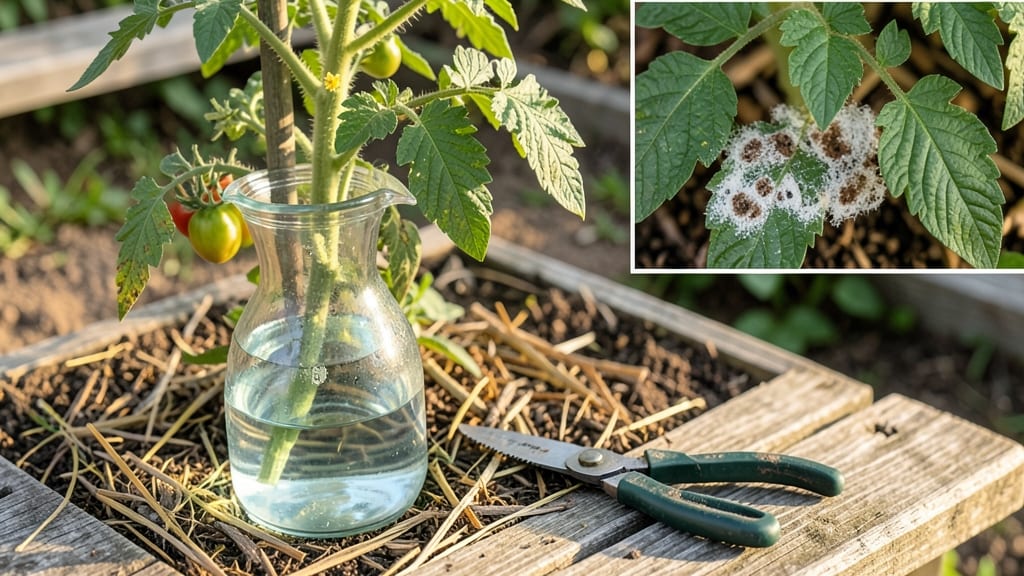
That yellowish-brown fuzz on your tomato leaves isn’t just ugly—it’s a tomato leaf mold treatment you can’t afford to ignore, or you’ll lose both leaves and fruit. ✨ The good news?
A simple baking soda and neem oil spray can stop it in its tracks before it spreads to your entire garden.
This fungus thrives in damp, shady conditions, so the first step is fixing airflow around your plants. Prune crowded branches, water at the base (not overhead), and space your tomatoes at least 18 inches apart.
Once you’ve improved circulation, the homemade spray becomes your secret weapon—it’s cheap, effective, and won’t harm your plants (or you).
Within a week, you’ll see new growth pushing through, and the fuzz will disappear. The key is acting fast—once the mold covers more than 25% of a leaf, it’s time to prune those leaves entirely to prevent further spread. Your tomatoes will bounce back stronger than ever.
This method works for greenhouses, raised beds, and in-ground gardens alike. Let’s get those plants healthy again!
Root Causes Of Tomato Leaf Mold
Tomato leaf mold isn’t just a random nuisance—it’s a fungal infection with specific triggers. Understanding these causes is the first step to stopping it before it ruins your harvest. Let’s break down the real culprits behind this pesky problem.
The fungus Fulvia fulva (formerly Cladosporium fulvum) thrives in humid, damp environments. Here’s why moisture turns your tomato leaves into a fungal buffet:
- Poor Air Circulation: Crowded plants or thick foliage trap moisture, creating a perfect breeding ground for spores. Even a light breeze can disrupt this, but stagnant air speeds up infection.
- Frequent Rain or Overwatering: Water sitting on leaves for more than 4–6 hours gives the fungus enough time to germinate and penetrate leaf tissue.
- Morning Dew: While natural, dew on leaves during cool, cloudy mornings (below 60°F/15°C) slows evaporation, extending the window for fungal growth.
Pro Tip: 💡 Space plants 18–24 inches apart and prune lower leaves to improve airflow. Water early in the day so foliage dries by evening.
This fungus isn’t picky about heat—it loves moderate temperatures. Here’s the sweet spot for its growth:
| Temperature Range | Fungal Activity | Risk Level |
|---|---|---|
| 60–75°F (15–24°C) | ✅ Optimal for spore germination and spread | ⚠️ High |
| Above 85°F (29°C) | ❄️ Growth slows significantly (but doesn’t stop) | ⚠️ Moderate (spores may still survive) |
| Below 50°F (10°C) | ❄️ Dormant (but can revive when temps rise) | ✅ Low |
Key Insight: If your growing season stays in the 60–75°F range for weeks, leaf mold will spread like wildfire. Heat waves can temporarily pause it, but spores linger on plant debris.
A healthy tomato plant can tolerate some fungal exposure, but stress makes it an easy target. Common stressors include:
- Nutrient Deficiencies: Low potassium or calcium weakens cell walls, making leaves more susceptible to fungal invasion.
- Physical Damage: Bug bites (e.g., aphids, spider mites), hail, or rough handling create entry points for spores.
- Transplant Shock: Recently moved or shocked plants have compromised root systems, reducing their ability to fight infections.
- Overcrowding: Plants competing for light and nutrients become stunted and more vulnerable.
Pro Tip: 🌱 Boost plant resilience with a balanced fertilizer (10-10-10) and compost tea to strengthen natural defenses. Avoid over-fertilizing with nitrogen—it promotes lush but weak growth.
Leaf mold doesn’t appear out of nowhere—it’s spread by spores from infected plants, soil, or even wind. Here’s how contamination happens:
- Infected Plant Debris: Leaving old tomato stems, leaves, or mulch in the garden releases spores for years. The fungus can survive in soil for up to 3 years.
- Contaminated Tools/Water: Pruners, trellises, or even reused containers can carry spores from one plant to another.
- Wind or Rain Splash: Spores hitchhike on water droplets or air currents, landing on healthy leaves and starting new infections.
- Wild Hosts: Other plants like peppers, eggplants, and potatoes can harbor the same fungus and cross-contaminate tomatoes.
Critical Action: 🔥 Remove and destroy all infected plant material immediately (don’t compost it!). Disinfect tools with a 10% bleach solution or rubbing alcohol between uses.
Fixing Tomato Leaf Mold Naturally
Now that you know the causes behind tomato leaf mold—whether it’s humidity, poor airflow, or fungal spores—it’s time to take action! The good news? You don’t need harsh chemicals to save your plants.
With a few simple, organic fixes, you can restore your tomatoes to their lush, healthy glory. Below, we’ve mapped out practical solutions for each root cause, plus prevention tips to keep mold at bay for good.
Fix: Adjust your watering habits and improve soil health.
- 🔥 Stop watering from above—use a drip irrigation system or water at the base of the plant in the morning to allow foliage to dry quickly.
- 🍳 Improve drainage—amend heavy clay soil with compost or perlite to prevent waterlogging. Raised beds also help.
- 👨🍳 Prune lower leaves (especially those touching wet soil) to enhance airflow and reduce humidity near the plant.
- ⏰ Water deeply but less often—aim for 1–1.5 inches per week, adjusting for rain. Let the top inch of soil dry out between waterings.
💡 Prevention Tip: Mulch with straw or wood chips (not plastic) to retain moisture without suffocating roots. Keep mulch 2–3 inches away from the stem.
Fix: Boost airflow and space out your plants.
- 🔥 Space plants 18–24 inches apart—this reduces crowding and improves air circulation.
- 🍳 Use a fan on low speed near your tomato plants (especially in greenhouses or shaded areas) to mimic wind and dry leaves faster.
- 👨🍳 Thin out suckers—while pruning, remove excess foliage to let light and air penetrate the center of the plant.
- ⏰ Avoid watering late in the day—wet leaves at night create the perfect mold incubator.
💡 Prevention Tip: If growing in a greenhouse, open vents or use a dehumidifier to keep humidity below 70%. A hygrometer helps track levels.
Fix: Attack the mold with organic fungicides and cultural controls.
- 🔥 Apply a baking soda spray (1 tsp baking soda + 1 quart water + a drop of dish soap) every 7–10 days to prevent spore germination. Spray both sides of leaves and avoid direct sun to prevent leaf burn.
- 🍳 Use neem oil (1 tbsp per quart of water + a drop of soap) as a preventative and curative spray. Apply in the early morning or evening to avoid harming bees.
- 👨🍳 Remove and destroy infected leaves—don’t compost them! Seal in a plastic bag to prevent spores from spreading.
- ⏰ Rotate crops—don’t plant tomatoes (or nightshades like peppers/eggplants) in the same spot next year. Wait 3 years before replanting.
💡 Prevention Tip: Solarize your soil in late summer by covering it with clear plastic for 4–6 weeks to kill fungal spores before planting.
Once your plants recover, keep mold from returning with these habits:
- 🎯 Choose resistant varieties—look for ‘Mountain Merit’, ‘Celebrity’, or ‘Defiant PhR’ (phytophthora-resistant) tomatoes.
- 🌡️ Monitor weather forecasts—if rain is predicted, prune leaves and cover plants with row fabric temporarily.
- ✨ Boost plant immunity—feed with compost tea or fish emulsion every 4–6 weeks for stronger, disease-resistant foliage.
Remember: Early action is key! The moment you spot yellowing, greasy spots, or white mold, intervene. With these natural fixes, your tomato plants will bounce back—and you’ll enjoy juicy, mold-free harvests all season long! 🍅✨
Frequently asked questions about tomato leaf mold
What does tomato leaf mold look like in early stages?
Early signs include small, yellow spots on the upper leaves that develop a greasy, velvety texture. Within days, these spots turn brownish-yellow with a fuzzy, mold-like coating on the undersides. Check leaves regularly—early detection is key to stopping the spread!
Can I still harvest tomatoes from plants with leaf mold?
Yes, but focus on ripe fruit first—unripe tomatoes may not develop properly. Prune heavily infected leaves to redirect the plant’s energy to fruit production. Avoid harvesting through wet foliage to prevent spreading spores to your hands or tools. Always wash harvested tomatoes thoroughly.
How often should I spray the baking soda/neem oil mix?
Apply the spray every 7–10 days during active growth (spring to early fall). For severe infections, spray weekly until symptoms disappear. Always apply in the early morning or evening to avoid leaf burn from sunlight and protect beneficial insects. Stop spraying 2 weeks before harvest to ensure residue-free fruit.
Will tomato leaf mold survive winter in my garden?
Yes, the fungus can overwinter in plant debris, soil, or alternative hosts like peppers. To prevent next year’s infection, remove all tomato plants (including roots) and solarize soil by covering it with clear plastic for 4–6 weeks in late summer. Rotate crops—avoid planting tomatoes in the same spot for 3 years.
Are chemical fungicides better than organic treatments?
Chemical fungicides like copper-based sprays or chlorothalonil can be effective but may harm beneficial insects and leave residues. Organic methods (baking soda, neem oil, pruning) are safer for pollinators and the environment. For severe cases, combine organic sprays with cultural controls (pruning, airflow) for the best results.