
Vegetables
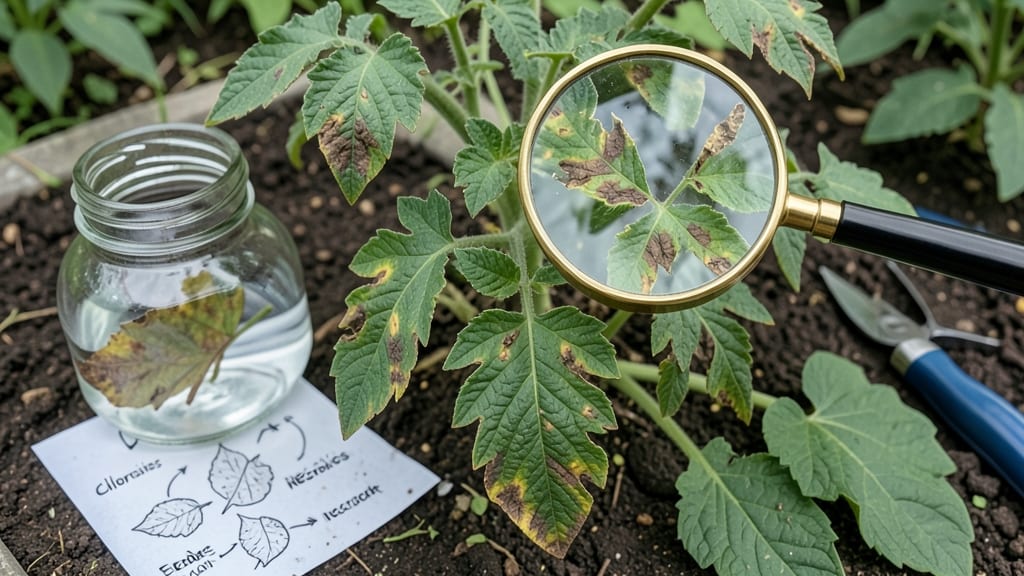
Your tomatoes just got a chemical warning label—and you didn’t even spray them. 🌱 Tomato leaf toxicity sneaks in through over-fertilized soil, pesticide buildup, or fungal infections, turning lush foliage into crispy, unrecognizable messes. The good news? Most cases are fixable with the right diagnosis and a few simple adjustments.
First, identify the culprit: yellowing leaves often mean overwatering or nitrogen overload, while brown edges signal salt buildup or herbicide drift. Curling or spotted leaves? That’s usually fungal or bacterial infection.
Grab a magnifying glass (or just your phone’s camera) to spot the clues—texture changes, discoloration patterns, or weird growths all tell a story.
Once you know the problem, act fast: prune affected leaves immediately, adjust watering, and flush the soil with plain water to dilute salts. For fungal issues, a baking soda spray (1 tsp per quart of water) works wonders.
The key is catching it early—before the plant puts all its energy into fighting toxicity instead of producing fruit.
Prevention is easier than cleanup: test your soil before planting, rotate crops yearly, and stick to organic pesticides labeled for edibles. Your future harvests will thank you—no more mystery illnesses, just juicy, healthy tomatoes straight from your garden to your plate.
📚 In This Guide
- What you need
- Instructions
- Tips and common mistakes
- Wrapping up and next steps
What you need
- ● Tomato plants (healthy or suspected of toxicity—prioritize Solanum lycopersicum varieties like Roma, Cherry, or Beefsteak).
- ● Garden gloves (nitrile or latex-free, size medium or large for full hand protection).
- ● Pruning shears (sterilized, bypass-style with sharp blades for clean cuts).
- ● Disposable plastic bags (10–15 1-gallon size for waste disposal).
- ● Rubbing alcohol (70% isopropyl) (small bottle, 4 oz for tool sterilization).
- ● Paper towels or lint-free cloths (for cleaning tools between uses).
- ● Labeling tags (waterproof, 50+ count to mark removed leaves).
- ● Compost bin or sealed trash bin (for disposing of toxic leaves—do not compost if toxicity is confirmed).
- ○ Magnifying glass (optional but helpful) (10x magnification for inspecting leaf undersides).
- ● Digital scale (for weighing leaves if tracking toxicity severity).
- ● Spray bottle with water (to rinse tools between cuts).
- ● Field guide or app (e.g., PlantNet or iNaturalist for identifying pests/diseases).
- ● Neem oil or insecticidal soap (if treating pest-related toxicity, follow label instructions).
Instructions for identifying and removing toxic tomato leaves
Here's how to spot and safely remove toxic leaves before they harm your plants or pets.
🌿 Step 1: Learn What Healthy Tomato Leaves Look Like
Start by examining your tomato plant's healthy leaves—these are typically deep green, firm to the touch, and free of spots or discoloration. Healthy leaves should feel slightly leathery and have a smooth surface. This baseline helps you spot abnormalities quickly.
Run your fingers gently over the leaf surface. Healthy leaves won't have rough patches or unusual textures. Notice the veins too—they should be a lighter shade of green and evenly spaced. If you see leaves with yellowing edges, dark brown spots, or mushy textures, these are red flags for toxicity or disease.
🌱 Step 2: Identify Toxic Leaves by Visual and Textural Cues
Toxic tomato leaves often show unusual discoloration like black or purple spots, white powdery residue, or irregular yellow patches. These signs indicate fungal infections (like early blight) or chemical damage from over-fertilization. Run your thumb along the leaf edge—healthy leaves have smooth, crisp edges, while toxic leaves may feel soft or slimy.
Check the undersides of leaves too. Toxic leaves often have mold growth or sticky residue from pests like aphids. If a leaf feels spongy when pressed or crumbles easily, it's likely infected and should be removed immediately. Remember, toxic leaves can spread disease to healthy ones.
✂️ Step 3: Remove Toxic Leaves Safely and Strategically
Use clean, sharp pruning shears (disinfected with rubbing alcohol) to snip toxic leaves at their base. Avoid tearing leaves—this can damage the plant and spread pathogens. Start with the most severely affected leaves and work outward. Discard removed leaves in a sealed plastic bag to prevent contamination.
Never compost toxic leaves—they can reintroduce diseases to your garden. Instead, place them in the trash or burn them (if local regulations allow). After removal, wipe down your pruning tools with rubbing alcohol to kill any lingering spores. This step is critical for preventing further spread.
💧 Step 4: Treat the Plant to Prevent Future Toxicity
After removing toxic leaves, spray the plant with a 1:10 water-vinegar solution to disinfect the remaining foliage. This natural remedy helps kill fungal spores and bacteria. Apply the solution in the early morning so the leaves have time to dry before evening. Avoid spraying during peak sun hours to prevent leaf burn.
Improve airflow around your tomato plant by pruning nearby branches or thinning crowded foliage. Good circulation reduces humidity, which is a breeding ground for fungal diseases. Water at the base of the plant (not overhead) to keep leaves dry. This simple adjustment can drastically reduce the risk of future toxicity.
☀️ Step 5: Monitor and Maintain a Toxicity-Free Plant
Check your tomato plant daily for new signs of toxicity, especially after rain or high humidity. Early detection is key—catching issues before they spread saves your plant. Pay close attention to new growth, as young leaves are more vulnerable to infections.
Rotate your plant a quarter turn weekly to ensure even sun exposure. Uneven light can stress plants and make them more susceptible to toxicity. Keep an eye on the soil too—overwatering or poor drainage can lead to root rot, which manifests as toxic leaves. Adjust your watering schedule if the top 1-2 inches of soil stay damp for more than 2 days.
Tips & tricks for handling tomato leaf toxicity
Here's what I've learned from years of gardening—mistakes I made that cost me plants, and the tricks that actually work.
Visual Cue Tip: In Step 1, when comparing healthy leaves to potentially toxic ones, hold them up to a bright light. Healthy leaves will show clear, crisp veins without any cloudiness or discoloration along the edges. This simple trick helps catch early signs of toxicity that might be hard to spot otherwise.
Texture Test: The texture check in Step 2 is where most people miss early signs. Press a leaf firmly—healthy leaves should spring back slightly but stay firm. If it feels mushy or collapses under pressure, that's your warning sign. I've seen gardeners ignore this step until the plant was too far gone to save.
Tool Prep: Before you even start Step 3, take 2 minutes to properly disinfect your pruning shears. Soak them in rubbing alcohol for 30 seconds, then wipe dry. I learned this the hard way after my tools spread infection to other plants. Sterile tools are your first line of defense against cross-contamination.
Vinegar Solution: For the 1:10 water-vinegar solution in Step 4, use white vinegar—not apple cider or balsamic. White vinegar has the right acidity level to kill fungal spores without harming the plant. Mix it fresh each time you use it, as vinegar loses effectiveness over time when stored.
Pro Tips for Tomato Leaf Toxicity
- Here's what I've learned from years of gardening—mistakes I made that cost me plants, and the tricks that actually work.
- Visual Cue Tip: In Step 1, when comparing healthy leaves to potentially toxic ones, hold them up to a bright light.
- Texture Test: The texture check in Step 2 is where most people miss early signs.
Frequently asked questions
Got questions about tomato leaf toxicity?
Here are some of the most common concerns—and their answers—to keep your garden (and your pets) safe while growing tomatoes.
Can I still eat tomatoes if the leaves look toxic?
Yes! Tomato leaves contain solanine, a toxin that can cause nausea or vomiting if ingested in large amounts—but the fruits themselves are safe. Just avoid eating leaves or stems, and always wash tomatoes thoroughly before consuming.
How long does it take for tomato leaves to lose their toxicity?
Toxicity in tomato leaves doesn’t disappear over time. However, cooking or drying leaves (like in some traditional remedies) can reduce solanine levels. If you’re unsure, it’s best to remove and discard toxic leaves immediately rather than risk exposure.
Are tomato leaves dangerous for pets?
Absolutely—yes!
Pets (especially dogs and cats) are curious and may nibble on tomato leaves, which can cause vomiting, diarrhea, or even neurological issues. If you suspect your pet has eaten tomato leaves, contact your vet immediately and remove all plant debris from their reach.
What’s the best way to dispose of toxic tomato leaves?
Don’t compost toxic leaves—they can contaminate soil. Instead, double-bag them in sealed plastic and throw them in the trash. If you’re dealing with a large infestation (like blight), burn them safely (if local laws allow) to prevent spreading disease.
Can I use tomato leaves as mulch or fertilizer?
No—never use tomato leaves as mulch or compost if they’re diseased or toxic. Healthy, pesticide-free leaves can be composted only if they’re free of blight or pests. For fertilizer, opt for tomato-specific plant food instead.
Still unsure? When in doubt, err on the side of caution—remove questionable leaves and prioritize plant (and pet) safety!
Wrapping up and next steps
Understanding tomato leaf toxicity is key to keeping your garden—and your pets—safe and thriving! While most tomato plants are non-toxic, green parts (like leaves and stems) contain solanine, which can cause mild discomfort if ingested. Always remove contaminated foliage promptly and dispose of it properly to prevent accidental exposure.
You’ve got the knowledge now—take action! 🌱 Next, double-check your plants and keep those toxic leaves far from curious pets or kids. Happy (and safe) gardening!