
Pests and Diseases
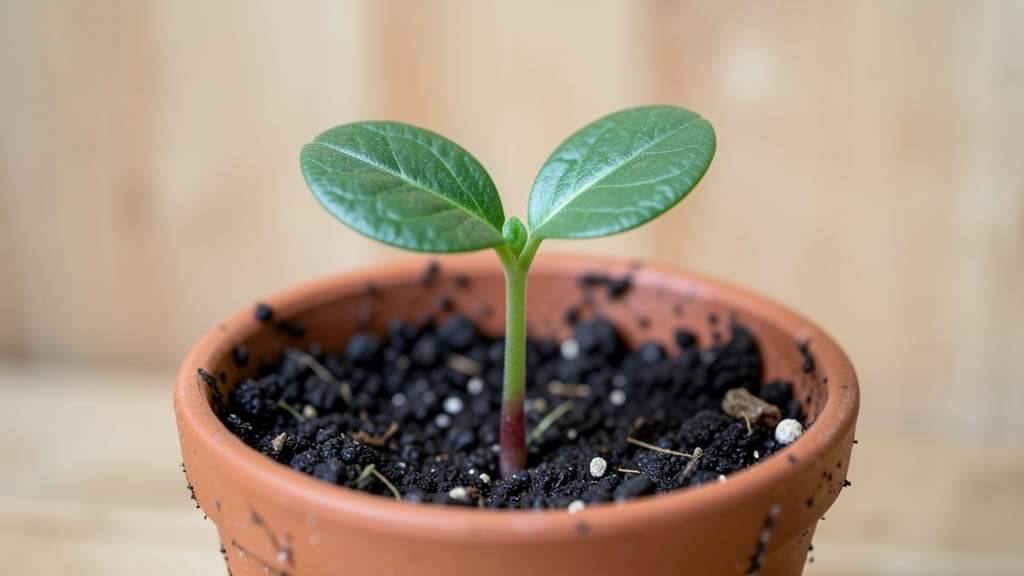
That first pair of true leaves signals the moment your seedlings are ready for action. 🌱 A two-leaf seedling isn't just a cute little sprout—it's the perfect stage to either transplant or start stem cuttings for faster root growth, especially with tomatoes, peppers, or herbs.
I learned this the hard way after waiting too long with my basil plants last spring.
These seedlings have thickened stems and leaves shaped like miniature versions of the mature plant. The key is acting fast: transplant outdoors only after nighttime temperatures stay above 50°F, or risk stunted growth.
For stem cuttings, snip just below a leaf node in water or moist soil—roots form in 7-10 days with bright, indirect light.
Overwatering is the silent killer here. Let the top inch of soil dry between waterings, and watch for yellowing leaves—a sign of too much moisture. The payoff? Bushier plants with stronger roots that outperform store-bought seedlings, especially in containers or small spaces.
Works for both indoor starts and outdoor beds, though grasses like wheatgrass or ornamental millet need slightly different timing. The secret? Patience and precision—this is where homegrown plants get their competitive edge.
Rooting Issues Behind Stunted Growth
When your cuttings produce only a two-leaf seedling instead of robust new growth, it’s often a sign that something’s blocking their potential. Understanding the root causes—literally—helps you fix the problem before it stalls progress. Here’s why this frustrating setback happens and how to address it.
A two-leaf seedling typically signals that roots haven’t established strong enough to support further growth. This can happen due to:
- Poor Cutting Technique 🔪 - If the stem isn’t cut at the right angle (usually 45 degrees) or includes too few nodes (the bumps where roots sprout), rooting struggles.
Nodes are the plant’s growth hubs—2-3 nodes per cutting is ideal for most species. - Fix: Trim just below a node using clean, sharp scissors. Avoid bruising the stem, which invites rot.
- Low Humidity or Airflow Issues 🌬️ - Roots need a moist, oxygen-rich environment to grow. If humidity drops below 70% or airflow is stagnant, cuttings dry out or suffocate. - Fix: Use a humidity dome or mist cuttings daily.
Place a fan nearby for gentle airflow (but not direct blasts).
- Improper Rooting Medium 🏺 - Some mediums (like dry soil or perlite-heavy mixes) drain too fast, while others (like compacted peat) suffocate roots.
The best balance is 50% perlite/vermiculite + 50% peat or coco coir. - Fix: Sterilize your medium to prevent fungal growth, and keep it moist but not soggy (like a damp sponge).
Even with roots, a two-leaf seedling can stall if it lacks key nutrients. Common culprits:
- Lack of Root Stimulants 💊 - Natural rooting hormones (like IBA or auxin) signal the cutting to grow roots. Without them, progress slows to a crawl. - Fix: Dip cuttings in a 1,000–3,000 ppm IBA solution for 10–15 seconds before planting.
Homemade options include willow water or aloe vera gel.
- Over- or Under-Fertilization 🌿 - Too much fertilizer burns tender roots, while too little starves them. A balanced, water-soluble fertilizer (5-5-5 or 10-10-10) at half-strength is safest until roots are established (usually 4–6 weeks). - Fix: Wait until new growth appears before fertilizing.
If yellowing leaves show up, flush the medium with water to remove excess salts.
- pH Imbalances 📉
- Most plants thrive in a pH of 5.8–6.2. If the medium is too acidic (<5.5) or alkaline (>7.0), nutrient uptake fails.
- Fix: Test your medium with a pH meter and adjust with lime (to raise pH) or sulfur (to lower it).
Even perfect cuttings can produce a two-leaf seedling if environmental conditions are off. Watch for:
- Temperature Extremes ❄️🔥
- Roots struggle below 60°F (15°C) or above 85°F (29°C). Ideal rooting temps are 70–75°F (21–24°C).
- Fix: Use a heat mat (for cooler climates) or move cuttings to a shaded, breezy spot (for hot weather).
- Lighting Problems 💡 - Too little light = weak, leggy growth. Too much direct sun = scorched leaves. Indirect, bright light (like an east-facing window or grow lights 12–14 hours/day) is best. - Fix: Start with low-intensity grow lights (1,000–2,000 lumens) 6 inches above cuttings.
Gradually increase light as roots form.
- Watering Woes 💧
- Overwatering drowns roots; underwatering dehydrates them. The medium should feel like a damp sponge—never soggy or bone-dry.
- Fix: Water from the bottom (place cuttings in a tray of ½-inch water for 10 minutes) to encourage root growth without stem rot.
Hidden threats can sabotage rooting before you notice. Check for:
- Fungal Infections (e.g., Pythium, Rhizoctonia) 🍄
- Fuzzy mold or blackened stems mean fungus is blocking root growth. These thrive in wet, warm conditions.
- Fix: Use hydrogen peroxide (3%) as a soil drench (1 tbsp per gallon of water) weekly. Space cuttings to improve airflow.
- Root-Rotting Bacteria 🦠
- Slimy, foul-smelling stems indicate bacterial soft rot. This is often caused by overcrowding or contaminated tools.
- Fix: Remove infected cuttings immediately. Sterilize tools with 70% isopropyl alcohol and repot healthy cuttings in fresh medium.
- Pests (e.g., Aphids, Mealybugs, Spider Mites) 🕷️
- Tiny pests suck sap, weakening the cutting’s ability to grow. Check undersides of leaves and stems.
- Fix: Spray with neem oil solution (1 tsp per quart of water) or introduce beneficial insects like ladybugs.
Pro Tip: 💡 If your cuttings keep producing only two leaves, take a closer look at the roots. Gently tug—if they resist slightly, roots are forming. If they pull out easily, adjust your method and try again!
Fixing Common Seedling Setbacks
When your young plants hit a snag—whether it’s stunted growth, yellowing leaves, or pests—don’t panic! Most issues with two-leaf seedlings (or any early-stage cuttings) have simple, actionable fixes. Below, we’ll break down the most common problems and how to turn them around, plus tips to keep your seedlings thriving long-term.
Signs: Droopy stems, yellowing leaves, or soil that’s either waterlogged or bone-dry.
How to Fix It:
- 🔥 Adjust your watering routine: Stick your finger 1–2 inches into the soil. If it’s damp, wait. If it’s dry, give it a light watering—just enough to moisten the top layer.
- 🍳 Use well-draining soil: Mix in perlite or coconut coir to improve aeration and prevent soggy roots.
- 👨🍳 Repot if needed: If roots are sitting in water (like in a tray), transfer the seedling to a pot with drainage holes.
Prevention Tips: ✨ Water at the base—avoid wetting leaves to prevent fungal issues. ✨ Check humidity levels—a clear plastic dome or humidity tray helps maintain moisture without overwatering.
Signs: Tiny holes in leaves, webbing, or sticky residue (aphids, spider mites, or fungus gnats).
How to Fix It:
- 🔪 Isolate infected seedlings to prevent spreading.
- 🍳 Spray with neem oil (1 tsp per quart of water) or insecticidal soap for mild cases.
- 🌡️ For fungus gnats: Let the soil dry slightly between waterings and add a thin layer of sand or diatomaceous earth to deter larvae.
Prevention Tips: 💡 Inspect new cuttings before planting—quarantine them for a few days. 🎯 Encourage beneficial insects like ladybugs or lacewings to keep pests in check.
Signs: Leggy stems (stretching toward light), pale leaves, or slow growth.
How to Fix It:
- 🍳 Optimize light: Move seedlings to a bright, indirect light source (south-facing window or grow lights 6–12 inches away).
- 👨🍳 Rotate pots weekly to ensure even growth.
- ⏰ Adjust temperature: Keep seedlings in a warm (65–75°F) but not hot environment—avoid drafts or direct heat.
Prevention Tips: ✨ Use a thermometer to monitor soil and air temperature. ✨ Gradually acclimate seedlings to outdoor conditions (hardening off) before transplanting.
Signs: Yellowing between leaf veins (iron deficiency), purple stems (phosphorus), or weak stems (nitrogen).
How to Fix It:
- 📊 Test your soil—simple DIY kits or a local nursery can help diagnose issues.
- 🍎 Feed lightly: Use a balanced, water-soluble fertilizer (like 10-10-10) at half-strength every 2–3 weeks.
- 🥗 Boost organic matter: Add compost tea or worm castings for a gentle nutrient boost.
Prevention Tips: 💡 Start with quality soil—avoid cheap mixes that lack nutrients. 🎯 Less is more—over-fertilizing can burn delicate seedlings.
Final Pro Tip: 🌟 Keep a seedling journal! Track watering, light, and growth patterns to spot issues before they escalate. With these fixes, your two-leaf cuttings will be on their way to strong, healthy plants in no time.
Frequently asked questions about two-leaf seedlings
What plants typically produce two-leaf seedlings?
Most vegetables (like tomatoes, peppers, and herbs) and ornamental plants (such as basil, mint, or coleus) show this stage. Grasses like wheatgrass or millet also develop two-leaf seedlings, though their leaves look more blade-like. The key is recognizing the true leaves—they’ll resemble the mature plant’s foliage, unlike the first seed leaves (cotyledons).
When should I transplant a two-leaf seedling?
Transplant outdoors only after nighttime temperatures stay above 50°F (10°C) and the seedlings have 2-3 true leaves. For indoor cuttings, wait until roots are 1-2 inches long (gently tug to check). Harden off seedlings for 5-7 days by gradually exposing them to outdoor conditions before permanent planting.
Why is my two-leaf seedling not growing roots?
Common culprits include poor cutting technique (wrong angle or nodes), low humidity (<70%), or improper medium (too dry or compacted). Try using a humidity dome, dipping cuttings in rooting hormone, and keeping the medium moist like a damp sponge. Avoid overwatering—soggy soil suffocates roots.
Can I propagate a two-leaf seedling into multiple plants?
Yes! If the seedling has a thick stem with multiple nodes, you can snip just below a leaf node and propagate it. Place the cutting in water or moist soil with a humidity dome until roots form (7-10 days). This works best for herbs (like mint or basil) or woody stems (like coleus). Avoid overcrowding the original seedling.
What’s the difference between a two-leaf seedling and a cotyledon?
Cotyledons are the first leaves that appear (often round or heart-shaped) and don’t resemble the mature plant. A two-leaf seedling refers to the second pair of true leaves, which look like miniature versions of the adult plant’s foliage. True leaves signal the seedling is ready for transplanting or propagation.