
Orchid Care
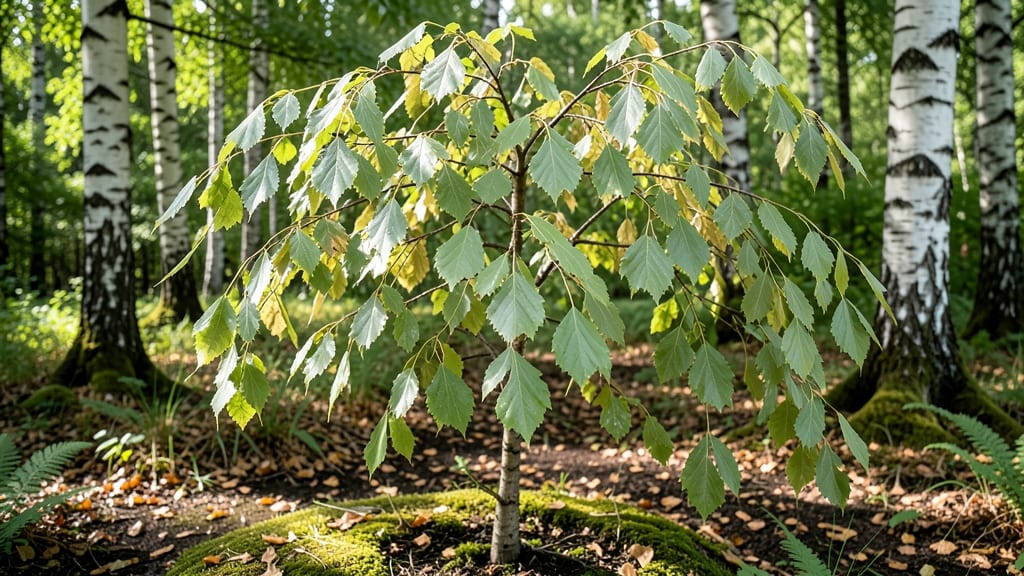
The water birch leaf 🌳 is a showstopper in the garden, with its golden-yellow hue that glows even in winter—but keeping it vibrant takes more than just planting it and hoping for the best.
Picture this: You’ve spent months nurturing your water birch, only to watch its leaves turn dull or crispy at the edges. That’s not just bad luck—it’s usually a sign your tree isn’t getting the right balance of sunlight, water, or nutrients.
The good news? With a few simple adjustments, you can keep those striking leaves healthy year-round.
From choosing the perfect spot in your yard to understanding when (and how) to prune, this guide covers everything you need to know. We’ll break down the ideal growing conditions, seasonal care tips, and even how to troubleshoot common issues before they become problems.
Ready to turn your water birch into a standout feature? Let’s dive into the secrets of keeping its leaves lush, golden, and thriving—no matter the season.
Water birch leaf lighting, soil, and watering requirements for optimal growth
The water birch leaf (Betula occidentalis) thrives in specific conditions that mimic its natural wetland habitats. To achieve that stunning golden foliage year-round, you'll need to focus on three key elements: light exposure, soil composition, and watering balance.
These factors work together to prevent common issues like leaf scorch or yellowing, ensuring your tree stays vibrant and healthy.
First, let's address the most critical factor: light requirements. Water birch leaves prefer full sun to partial shade, meaning they need at least 6 hours of direct sunlight daily. However, in hotter climates like USDA zones 6-7, they can tolerate partial shade to prevent leaf burn.
The key is finding that sweet spot where they get enough light for photosynthesis but aren't overwhelmed by intense afternoon sun.
Now, let's talk about the soil requirements that will make or break your water birch's health. These trees love moist, well-draining soil with a pH between 5.0 and 7.5 (slightly acidic to neutral).
Heavy clay soils should be amended with organic matter like compost or peat moss to improve drainage while retaining moisture. The goal is to replicate their natural wetland environment without creating waterlogged conditions that can suffocate roots.
| Growing Condition | Ideal Specification | Seasonal Adjustments |
|---|---|---|
| Light Exposure | Full sun to partial shade (6+ hours) | Morning sun + afternoon shade in hot zones |
| Soil pH | 5.0-7.5 (acidic to neutral) | Test annually; amend with sulfur or lime |
| Soil Type | Moist, well-draining | Add mulch in summer to retain moisture |
| Water Needs | Medium (10-20L weekly) | Increase in summer; reduce in winter |
| Mulch Depth | 2-3 inches organic mulch | Refresh annually in spring |
When it comes to watering requirements, water birch leaves are surprisingly adaptable. They're drought-tolerant once established but prefer consistent moisture during their first two years. The secret is deep watering—giving them 10-20 liters of water weekly during growing seasons (spring to fall).
I recommend watering in the early morning to reduce evaporation and fungal risks. In summer, you may need to increase frequency to twice weekly, while winter watering can drop to monthly checks.
One common mistake I see is overwatering young trees, which can lead to root rot and yellowing leaves. Always check soil moisture by sticking your finger 2 inches deep—if it's dry, it's time to water.
For mature trees, focus on deep soak watering that reaches 12 inches down. This encourages strong root development and helps prevent shallow roots that can lead to leaf scorch during heatwaves.
The seasonal adjustments are where many gardeners trip up. In spring, increase watering as new growth emerges, but avoid soggy soil. Summer requires the most attention—mulching with 3 inches of organic matter helps retain moisture while keeping roots cool.
Fall is about tapering back watering as the tree prepares for dormancy. And in winter, only water if the ground remains unfrozen for more than a week, as frozen roots can't absorb moisture.
Let's discuss soil amendments that can make a dramatic difference. If your soil tests too alkaline (above 7.5), mix in sulfur or peat moss to lower the pH. For sandy soils that drain too quickly, incorporate compost or coconut coir to improve moisture retention.
I've found that adding a 2-inch layer of compost around the base annually keeps the soil fertile without overwhelming the tree's needs.
For container-grown water birch leaves, the rules change slightly. You'll need a minimum 15-gallon pot with drainage holes and a moisture-retentive potting mix blended with perlite. Water every 5-7 days in summer, checking that the top 1 inch of soil is dry before watering.
Containers dry out faster, so monitor closely—wilting leaves are often a sign of either underwatering or overwatering.
Remember that leaf color is your best indicator of health. Vibrant green leaves mean you're nailing the balance, while yellowing leaves often signal overwatering or poor drainage. Brown edges typically mean underwatering or high soil salinity.
By paying attention to these visual cues and adjusting your care accordingly, you'll keep your water birch looking its best year after year.
Pro tip: Install a drip irrigation system for young trees to deliver water directly to the roots. This method reduces leaf scorch from overhead watering and keeps moisture consistent. I've seen dramatic improvements in tree health within just a few months of switching to drip irrigation.
Pruning and fertilizing strategies to maintain year-round water birch leaf health
Keeping your water birch leaf vibrant requires a smart approach to seasonal pruning and organic fertilization. Unlike many trees, water birch thrives with minimal intervention, but strategic cuts and nutrient boosts can prevent yellowing leaves and promote that signature golden hue year-round.
I’ve learned the hard way that skipping these steps leads to weak growth and less striking foliage.
Timing is everything when pruning. The best times are late winter (just before buds swell) and early summer (after new growth hardens). Avoid heavy pruning in fall—this can stress the tree before winter dormancy.
For fertilizing, I use a balanced 10-10-10 NPK ratio in early spring and a light feed in summer to support leaf health without overstimulating late-season growth.
- 🌱 Spring Pruning: Remove dead or crossing branches with sterilized pruners to prevent disease. Apply 1/2 cup 10-10-10 fertilizer around the drip line in March.
- ☀️ Summer Maintenance: Trim overly dense foliage to improve airflow. Use compost tea as a light organic feed in June.
- ✂️ Fall Cleanup: Remove only damaged branches—avoid heavy cuts. Skip fertilization to prevent tender new growth before winter.
- 🌿 Winter Care: Inspect for broken branches after storms. Apply mulch to retain moisture and nutrients.
One of the most common issues I’ve seen is iron chlorosis, where leaves turn yellow between veins. This happens when soil pH is too high. My fix? I mix chelated iron into the soil in spring and add sulfur to lower pH gradually.
For magnesium deficiency (yellow patches on older leaves), I use Epsom salt (1 tbsp per gallon of water) every 4-6 weeks during growing season.
Don’t overlook the tools—dull pruners can tear bark and invite pests. I always sterilize tools with rubbing alcohol between cuts and use sharp bypass pruners for clean cuts. For larger branches, I invest in loppers or a pruning saw to avoid damaging the tree’s structure.
Proper tools make all the difference in maintaining healthy water birch leaves.
Organic fertilizers like fish emulsion or worm castings are my go-to for a nutrient boost without synthetic chemicals. I apply them in early spring and again in midsummer, always watering deeply afterward to prevent root burn.
The key is consistency—water birch responds well to steady, moderate feeding rather than heavy doses.
With these strategies, your water birch will reward you with lush, golden foliage even in winter. The secret lies in timing, balance, and observation—pay attention to your tree’s cues, and it will thrive for decades. Happy pruning! 🌳