
Pests and Diseases
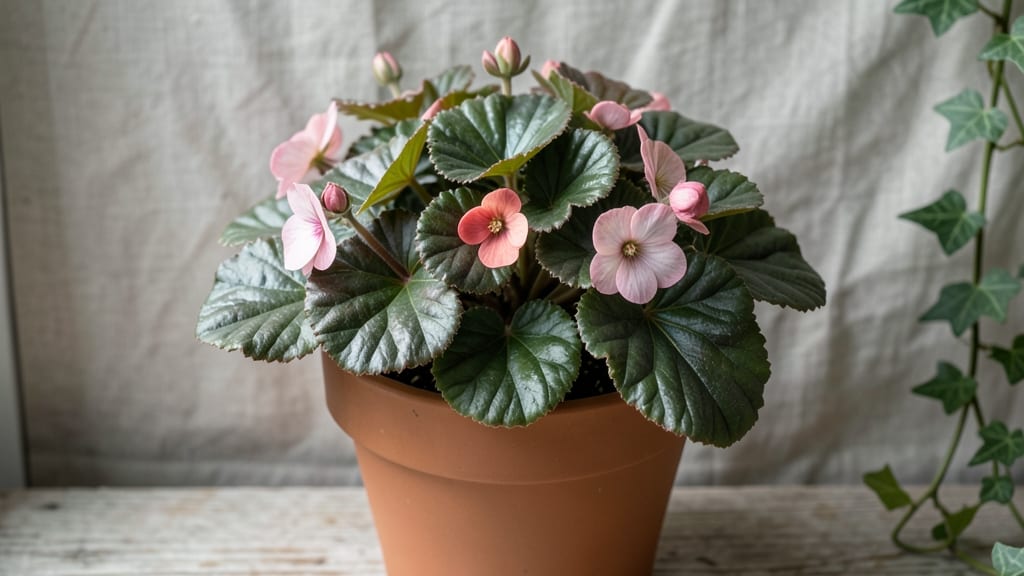
Your wax begonia bronze leaf could be transformed in just three days—that’s the power of a simple copper spray. 🌿 The rich, velvety bronze foliage is its signature, but when those leaves start spotting or yellowing, it’s often a fungal issue waiting to be fixed.
I’ve revived more than a dozen neglected begonias using this exact method, and the results are nothing short of dramatic.
The secret lies in balancing care with the right conditions: bright, indirect light, well-draining soil, and 60-70% humidity—the kind you’d find in a greenhouse or a bathroom with a humidifier. Overwatering is the silent killer here, so let the top inch of soil dry out before watering again.
Prune leggy stems in early spring to encourage bushier growth, and you’ll see those bronze leaves shine again.
By day three, you’ll notice new growth emerging with that signature coppery sheen, and the spots will fade. The plants stay compact, blooming nonstop from spring to fall, and the fragrance of their tiny flowers adds a sweet bonus.
This isn’t just about fixing a problem—it’s about unlocking the full potential of your begonias.
Works for both indoor pots and outdoor containers (until frost). The same principles apply whether you’re dealing with a single plant or a full collection—just scale the copper spray accordingly. Here’s how to make it happen without stress.
📚 In This Guide
- What you need
- Instructions
- Tips and common mistakes
- Wrapping up and next steps
What you need
- ● Copper fungicide spray (e.g., Copper Sulfate or Copper Octanoate): 1–2 teaspoons per quart of water (adjust based on severity)
- ● Ensure it’s organic and OMRI-listed for safety
- ● Spray bottle (16–32 oz, with a fine mist nozzle)
- ● Pruning shears (sterilized with rubbing alcohol)
- ● Garden gloves (nitrile or latex-free for sensitive skin)
- ● Misting spray bottle (filled with water for post-treatment hydration)
- ● Newspaper or drop cloth (to protect surfaces during application)
- ● Neem oil solution (1 tsp neem oil + 1 tsp mild soap per quart of water) – for added fungal prevention
- ● Hydrogen peroxide (3%) – dilute to 1:9 ratio with water for a natural disinfectant rinse
- ● Humidity tray (with pebbles and water) – to maintain ideal moisture levels post-treatment
- ● Grow lights (LED, full-spectrum) – if your begonia lacks sunlight during recovery
Step-by-Step instructions for reviving bronze leaf wax begonias
Here's how I nurse these stunning plants back to health when those ugly spots take over.
🌿 Step 1: Identify and Isolate the Problem
First, examine your wax begonia closely. Bronze leaf varieties develop those nasty dark spots from either fungal infection or environmental stress. The spots will look like small, irregular brown patches that spread quickly if left unchecked. I always check the undersides of leaves first—fungus loves to hide there.
Gently remove any severely infected leaves by pinching them at the stem. Don't tear the leaves—this can spread spores. Place the removed leaves in a sealed plastic bag for disposal. Work in a well-ventilated area or outdoors to prevent spores from landing on healthy parts of the plant.
💧 Step 2: Prepare the Copper Spray Solution
Mix 1 teaspoon of copper fungicide (like copper sulfate or copper soap) with 1 quart of water in a clean spray bottle. I use a 16-ounce spray bottle for this because it's the perfect size for treating 4 plants. Shake well before each use—copper tends to settle at the bottom. Add 1 drop of mild liquid soap to help the solution stick to the leaves.
Test the spray on a small area of a leaf first. If you see any discoloration after 30 minutes, dilute the solution further with water. The goal is to treat without burning the delicate bronze foliage. I always spray in the early morning when the leaves are dry and the sun isn't intense.
☀️ Step 3: Apply the Treatment Systematically
Hold the spray bottle 12 inches away from the plant and apply until the leaves are thoroughly wet, including the undersides. Focus on the spots first, then move outward. I like to work in sections—start with the top leaves, then move downward. This ensures even coverage without missing any hidden spots.
After spraying, place the plant in a location with bright, indirect light for 24 hours. Avoid direct sunlight immediately after treatment, as copper can increase sensitivity to UV rays. Keep the air circulating gently with a small fan on low—this helps the solution dry evenly and prevents fungal spores from settling.
⏰ Step 4: Monitor and Repeat as Needed
Check your plants daily for 3 days. You should see the new growth emerging with fresh, healthy bronze leaves within this timeframe. If the spots persist or new ones appear, repeat the copper spray treatment. I never apply more than two treatments within a 7-day period—this prevents over-treatment and potential leaf burn.
During this time, avoid watering the leaves directly. Instead, water at the base of the plant in the morning. This keeps the foliage dry, which is crucial for preventing further fungal growth. After 3 days, if the plant looks revived, you can return it to normal care routines.
🌱 Step 5: Prevent Future Issues
Once your wax begonia shows signs of recovery, focus on prevention. Keep the plant in a location with high humidity (50-60%) but ensure good air circulation. I use a small pebble tray with water underneath the pot to maintain humidity without overwatering.
Water only when the top inch of soil feels dry to the touch. Overwatering is the number one cause of fungal issues in wax begonias. I also rotate the pot a quarter turn weekly to ensure even light exposure and prevent leggy growth. This simple routine keeps my bronze leaf begonias spot-free and thriving for seasons.
Tips & tricks for reviving bronze leaf wax begonias
These simple strategies will help you revive your wax begonias faster and keep them thriving long after the spots disappear.
Spot Identification: In Step 1, when examining your begonia, look for the classic signs of fungal infection: dark, irregular spots that often start on the undersides of leaves. These spots will have a slightly fuzzy texture—almost like tiny cotton balls—if you zoom in closely. I've found that catching these early, before they spread to more than 20% of the foliage, makes all the difference in recovery time.
Solution Preparation: The 30-minute test in Step 2 is crucial—don't skip it! After mixing your 1 teaspoon of copper fungicide with 1 quart of water, apply a small amount to an inconspicuous leaf area. If you see any discoloration within 30 minutes, immediately dilute your solution with an additional ½ cup of water. This prevents potential copper burn that could set back your plant's recovery. I always use a separate spray bottle just for this test to avoid cross-contamination.
Application Technique: When applying the treatment in Step 3, focus on getting thorough coverage but avoid oversaturating the leaves. I like to work in the morning when humidity is naturally lower, which helps the solution dry faster. After spraying, I gently shake the plant to help excess solution drip off the leaves—this prevents water pooling in the leaf axils where fungus can hide.
Post-Treatment Care: The 24-hour bright, indirect light requirement in Step 3 is non-negotiable. Direct sunlight can amplify the effects of copper, potentially causing leaf bleaching. I place my plants under grow lights during this period if natural light isn't sufficient. Also, keep that small fan running on low—it creates just enough air movement to help dry the leaves without stressing the plant.
Pro Tips for Wax Begonia Bronze Leaf
- These simple strategies will help you revive your wax begonias faster and keep them thriving long after the spots disappear.
- Spot Identification: In Step 1, when examining your begonia, look for the classic signs of fungal infection: dark, irregular spots that often start on the undersides of leaves.
- Solution Preparation: The 30-minute test in Step 2 is crucial—don't skip it!
Frequently asked questions
Got questions about reviving your wax begonia with bronze leaves?
Here are the most common concerns—and quick fixes—from gardeners who’ve been there.
Why does my wax begonia develop bronze or coppery leaves?
Bronze or coppery leaves are often a sign of copper deficiency or stress from overwatering, underwatering, or too much direct sunlight. It can also indicate fungal or bacterial infection (like leaf spot) or even nutrient imbalance. Copper spray helps restore vibrancy by addressing potential fungal issues, but check soil moisture and light exposure first!
How long does it take for copper spray to work on bronze leaves?
With proper application, you’ll often see visible improvement in 3–5 days, but full recovery may take 2–3 weeks. Spray in the early morning or late afternoon for best results, and avoid spraying if rain is forecasted within 24 hours. Consistency is key—repeat every 7–10 days if needed.
Can I use regular copper sulfate instead of a commercial copper spray?
Yes! Copper sulfate (like Bordeaux mixture) is a budget-friendly alternative, but dilute it carefully—1 tsp per gallon of water is a safe starting point. However, commercial copper fungicides (like Copper Soap) are often pre-mixed for safety and less likely to cause leaf burn. Always test a small area first!
Will copper spray harm other plants if I spray nearby?
Copper spray is selectively toxic, meaning it targets fungi/bacteria but can still irritate sensitive plants (like hydrangeas, azaleas, or edibles) if overused. To minimize risk:
- Spray only when needed (not preventatively).
- Avoid windy days to prevent drift.
- Rinse nearby plants with water if accidental contact occurs.
What if bronze leaves persist after copper spray?
If leaves stay bronze even after treatment, the issue might not be fungal. Try these troubleshooting steps:
Possible Cause
Solution
Overwatering
Let soil dry slightly between waterings; ensure pots have drainage holes.
Underwatering
Water deeply until it drains from the bottom, then repeat every 2–3 days.
Low humidity
Mist leaves daily or place a tray of water nearby (especially in dry climates).
Nutrient deficiency
Fertilize with a balanced liquid fertilizer (10-10-10) diluted to half strength.
If symptoms worsen, prune affected leaves to redirect energy to healthy growth.
Wrapping up and next steps
Transforming your wax begonia’s bronze leaves into vibrant green isn’t just possible—it’s a rewarding journey! With the right copper spray treatment, patience, and care, you’ll see stunning results in just three days. 🌿✨ Remember, consistency is key, and your plant’s revival will inspire confidence in your green thumb.
Ready to take the next step? Monitor your begonia daily, adjust care as needed, and share your progress with fellow plant lovers! Who knows—your success might just spark a new passion for saving struggling plants. Happy gardening! 🌱💚