
Pruning
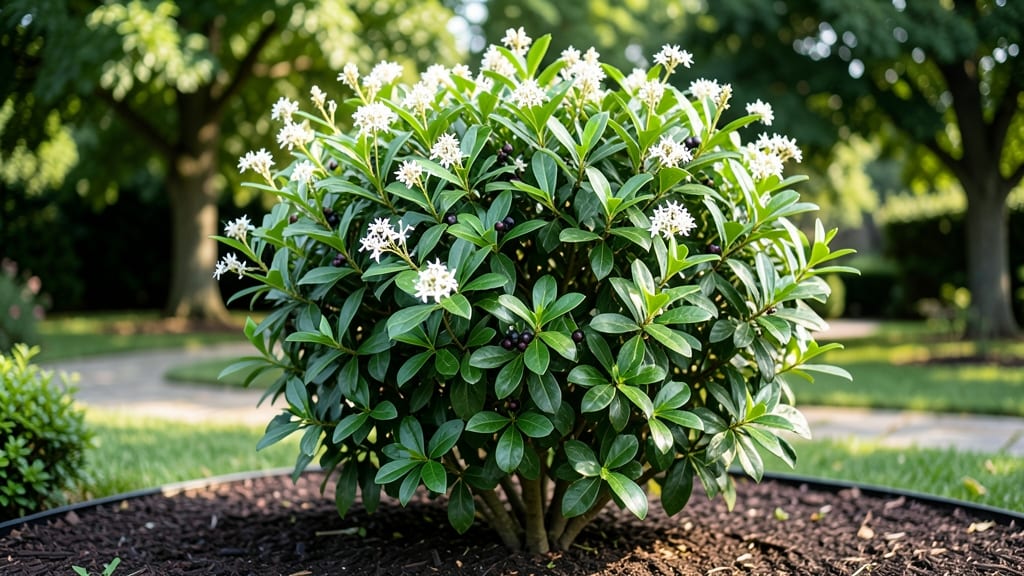
Your wax leaf privet bush could be the lushest hedge in your neighborhood—if you prune it right. ✂️ I’ve turned my own ragged privet from a straggly mess into a dense, glossy green wall with just a few key cuts, and the secret isn’t complicated.
It’s about timing, technique, and knowing when to stop. This evergreen thrives in zones 7-9, where it handles heat and humidity like a champ. Plant it in full sun to partial shade with well-draining soil, and it’ll reward you with year-round structure—no messy fall cleanup.
The waxy leaves stay vibrant even in winter, making it a low-maintenance star for hedges, privacy screens, or even topiary shapes. The magic happens in late winter or early spring, when you shape it into your desired form.
Prune 1/3 of the old growth at a time, always cutting just above a leaf node. By summer, you’ll see thicker foliage filling in gaps, and the bush will look like it was designed by a pro—not hacked by a beginner.
Works for formal hedges, informal screens, or even container plantings on patios. Here’s how to keep it looking its best all year.
📚 In This Guide
- What you need
- Instructions
- Tips and common mistakes
- Wrapping up and next steps
What you need
- ● Pruning shears or bypass pruners – Choose sharp, high-quality shears (e.g., Felco or Fiskars) for clean cuts on small to medium stems.
- ● Loppers – For thicker branches (½" to 1½" diameter), opt for bypass loppers with a 6-8" cutting head.
- ● Pruning saw – A curved-tooth pruning saw for branches over 1½" in diameter (e.g., Bahco or Corona).
- ● Gloves – Heavy-duty gardening gloves (e.g., Mechanix or Dr. McGregor) to protect against thorns and sap.
- ● Disinfectant (70% isopropyl alcohol or bleach solution) – To sterilize tools between cuts and prevent disease spread.
- ○ Rake or leaf blower – For clearing debris after pruning (optional but helpful!).
- ● Compost bin or bag – To dispose of pruned branches responsibly.
- ● Pruning sealant – For large cuts (over ½") to prevent disease entry (e.g., Tanglefoot Tree Wound Pruning Seal).
- ● Ladder or step stool – If your bush is taller than 6 feet, ensure stability and safety.
- ● Marking spray or flags – To tag branches for removal if planning a major shape-up.
- ● Safety glasses – Protect your eyes from flying debris, especially when using a pruning saw.
- ● Notebook & pen – To jot down pruning notes or track growth patterns over time.
Step-by-step pruning guide for a thriving wax leaf privet bush
Here's my go-to method for keeping wax leaf privet bushes dense, healthy, and full year after year—no guesswork involved.
✂️ Step 1: Prune in Late Winter or Early Spring
Timing is everything with wax leaf privet. I always prune in late winter to early spring, just as new growth begins but before buds swell. This gives the plant the entire growing season to recover and fill out. If you prune too early, you risk cutting back last year's growth before it's had a chance to harden off.
Look for dormant branches—they'll feel woody and won't have any green leaves or buds. Use clean, sharp pruners to make cuts just above a leaf node or outward-facing bud. This ensures the plant grows in the direction you want, filling in any gaps. Avoid cutting into old wood or you'll stunt new growth.
✂️ Step 2: Shape the Bush for Density and Airflow
Wax leaf privet thrives when it has room to breathe. Start by removing dead, diseased, or crossing branches first—these compete with healthy growth and can invite pests. I like to step back and visualize the shape I want, then work from the inside out. This prevents over-pruning and keeps the bush full.
For a naturally rounded shape, cut back one-third of the oldest branches each year. Focus on branches growing inward or upward—they'll create a dense, bushy look. Make cuts at a 45-degree angle just above a leaf node to encourage new growth. If a branch is too thick to cut by hand, use loppers for clean cuts.
☀️ Step 3: Lightly Prune After Flowering for Summer Foliage
After the wax leaf privet flowers in late spring to early summer, give it a light trim to maintain its shape and encourage fresh foliage. This isn't about heavy pruning—just removing any straggly or overgrown branches that disrupt the bush's symmetry. You'll see new growth emerge within 2-3 weeks if the timing is right.
Watch for new shoots at the base of the plant—these are signs the bush is responding well. If you notice leggy growth or sparse foliage, it's a sign you pruned too late last season. Adjust next year's schedule to prune earlier. Avoid heavy pruning in summer, as it stresses the plant and can lead to weak new growth.
✂️ Step 4: Clean Up in Fall for Winter Prep
As temperatures drop, do a final light prune to remove any dead leaves, twigs, or branches that might harbor pests or diseases over winter. This keeps the bush looking tidy and reduces the risk of infestations. I also check for suckers—those unwanted shoots that pop up at the base—and remove them immediately to prevent competition.
After pruning, give the bush a light layer of mulch (about 2-3 inches) to protect the roots from freezing temperatures. This is especially important if you live in a colder climate. Avoid heavy pruning in fall, as the plant needs energy to prepare for dormancy. A quick cleanup is all it takes to set it up for next year's growth.
🌿 Step 5: Monitor and Adjust Year-Round
Wax leaf privet is low-maintenance, but keeping an eye on it throughout the year ensures it stays lush. Check for new growth in spring and browning leaves in late summer—both are clues about what adjustments to make. If the bush looks sparse, it might need a light prune in early summer to encourage bushier growth.
Here's the thing—I don't follow a rigid schedule. Instead, I prune based on what the bush looks like. If it's dense and full, I hold off. If it's getting leggy, I step in. The key is balance: prune just enough to shape it, but not so much that you stress the plant. With this approach, your wax leaf privet will stay vibrant and full for years to come.
Tips & tricks for perfect wax leaf privet maintenance
Here's what nobody tells you about keeping your wax leaf privet looking its absolute best—these are the tricks that make all the difference between a bush that just survives and one that thrives.
Timing is Everything: That late winter to early spring window is non-negotiable. I've learned this the hard way—pruning too early can shock the plant, while waiting too long means you're cutting back last year's growth that hasn't fully hardened off yet. Look for those first signs of bud swell (usually in February or March depending on your climate) to know it's time. If you're in doubt, wait until you see a few tiny buds starting to form.
The One-Third Rule: When shaping your bush in Step 2, remember that one-third rule isn't arbitrary. It's the perfect balance that prevents over-pruning while still encouraging new growth. If you cut back more than this, you risk exposing old wood that won't regrow properly. I mark the branches I'm keeping with a piece of twine before cutting to stay organized—this visual cue helps me maintain that perfect proportion.
Angle Matters More Than You Think: Those 45-degree cuts aren't just for show—they're crucial for directing growth. When you cut at this angle just above a leaf node, you're creating an ideal surface for new shoots to emerge. I always make my cuts slightly outward from the center of the bush to encourage that lush, rounded shape. And here's a pro move: if you're dealing with thicker branches, use your pruners to make a small notch on the underside of the branch before making the final cut. This prevents the cut from sealing and promotes faster healing.
Summer Pruning Secret: The light pruning after flowering in Step 3 is where you'll see the most immediate results. When you remove those straggly branches, you're not just tidying up—you're encouraging the bush to put all its energy into the freshest, most vigorous growth. I like to do this on a dry morning when the plant is fully hydrated. The new shoots that appear within 2-3 weeks are always the most vibrant, and they'll give you that perfect dense look for the rest of the summer.
Pro Tips for Wax Leaf Privet Bush
- Here's what nobody tells you about keeping your wax leaf privet looking its absolute best—these are the tricks that make all the difference between a bush that just survives and one that thrives.
- Timing is Everything: That late winter to early spring window is non-negotiable.
- The One-Third Rule: When shaping your bush in Step 2, remember that one-third rule isn't arbitrary.
Frequently asked questions
Got questions about keeping your wax leaf privet bush thriving with the perfect prune? You’re not alone! Here are some of the most common queries—and their straightforward answers—to help you master year-round lushness.
When is the best time to prune wax leaf privet?
The ideal time to prune is late winter or early spring, just before new growth begins. This encourages dense, bushy foliage. For light shaping, you can also prune in summer—just avoid heavy cuts then, as it may stress the plant. Pro tip: Never prune in fall if you’re in a cold climate, as new growth won’t harden off before winter!
How much can I trim back my wax leaf privet?
Wax leaf privet is highly resilient—you can trim up to one-third of its height in a single session without harm. For formal hedges, aim for 10-15% annual reduction to maintain shape. If overgrown, space cuts over 2-3 years to avoid shocking the plant. Warning: Avoid "topping" (cutting back to stubs)—it leads to weak, leggy growth!
Why does my wax leaf privet look sparse after pruning?
Sparse growth often means over-pruning or poor timing. If you cut too late in the season (fall/winter in cold zones), new growth may not establish before frost. Fix it: Prune early spring, fertilize with balanced 10-10-10, and water deeply. If branches die back, they’re likely sunburned—provide afternoon shade temporarily.
Are there alternatives to wax leaf privet for hedges?
Yes! If you want low-maintenance, evergreen hedges, consider:
Prevention starts with healthy plants! Keep foliage dry (avoid overhead watering), and prune for good airflow. If pests appear:
Pick based on your climate and sunlight!
How do I prevent pests like spider mites or scale on wax leaf privet?
Pro tip: Inspect new plants before buying—quarantine them for a week to catch hitchhikers!
Wrapping up and next steps
Mastering the art of pruning your wax leaf privet bush ensures year-round beauty and vitality—no green thumb required! 🌿 With the right tools, timing, and techniques, you can keep this versatile shrub thriving while shaping it to perfection. Whether you’re trimming for shape, health, or blooms, consistency is key.
Ready to take your landscaping game to the next level? Grab your pruners and schedule your next session—your wax leaf privet will thank you with lush, glossy foliage all season long! 🌟