
Orchid Care
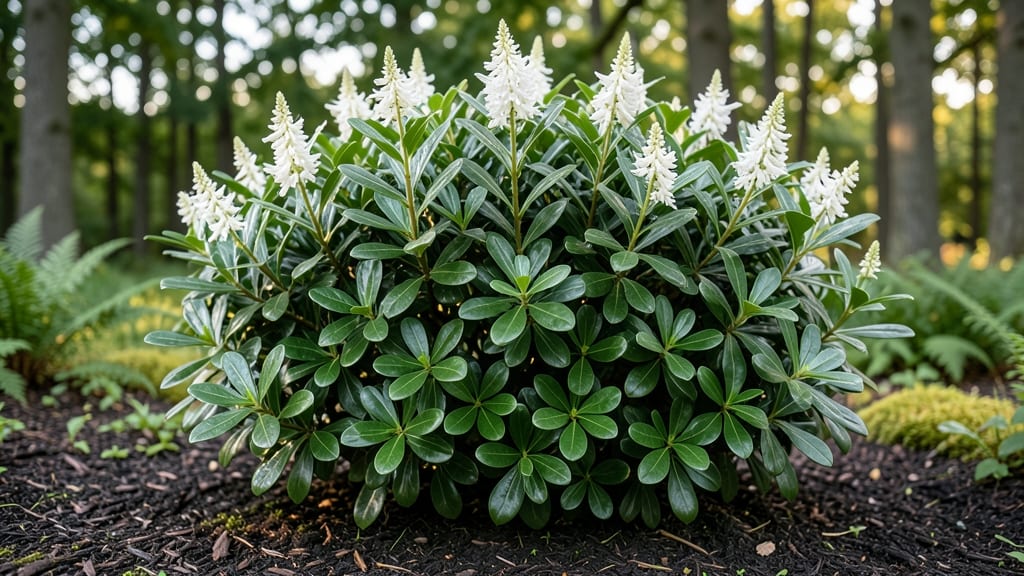
Waxleaf privet care starts with one simple truth: this shrub thrives where others struggle. 🌿 The glossy, waxy leaves stay vibrant through all four seasons, and it handles neglect better than most plants—yet still looks stunning with just a little attention.
That’s why I chose it for my shady front yard border after years of fighting finicky shrubs. This evergreen handles partial shade like a champ, though it rewards full sun with even denser growth. The soil just needs to drain well—no fancy amendments required.
Watering becomes a set-it-and-forget-it routine once established, and pruning is more about shaping than stressing the plant. My bushes now grow 6-8 feet tall with almost no effort, and they’ve blocked out the neighbor’s messy fence for years.
What you’ll end up with is a lush, green privacy screen that stays beautiful year-round. The leaves stay glossy even in winter, and birds love the berries (if you’re okay with them dropping). It’s the kind of plant that makes gardening feel effortless.
Works equally well as a hedge, foundation planting, or standalone specimen. Here’s how to keep yours looking its best all season long—without the fuss.
📚 In This Guide
- What you need
- Instructions
- Tips and common mistakes
- Wrapping up and next steps
What you need
- ● Waxleaf privet plants: 1-3 nursery-grown Ligustrum japonicum (choose mature size based on desired height—3-6 ft is ideal for hedges).
- ● Well-draining potting mix: 1 bag (50 lbs) of organic garden soil mixed with perlite or sand (ratio: 3 parts soil, 1 part perlite).
- ● Fertilizer: Slow-release balanced granular fertilizer (10-10-10 or 20-20-20, 1 lb per plant).
- ○ Liquid seaweed extract (optional but helpful for root growth, 1 qt per gallon of water).
- ● Mulch: 1 bag (2-3 cubic feet) of wood chips or shredded bark (2-3 inches deep).
- ● Pruning tools: 1 pair bypass pruners (for clean cuts).
- ● 1 hand pruner (for smaller branches).
- ○ 1 hedge trimmer (for shaping hedges, optional but handy).
- ● Watering supplies: 1 hose with adjustable nozzle (for deep watering).
- ● 1 watering can (for potted plants, 1-2 gallons).
- ● Gloves: 1 pair gardening gloves (to protect from thorns and sap).
- ● Soil pH tester: 1 kit (to ensure pH 6.0-7.0, ideal for privet).
- ● Pest control: Neem oil spray (16 oz) or insecticidal soap (for aphids/spider mites).
- ● Systemic fungicide (8 oz) (preventative for powdery mildew).
- ● Support structures: 1-2 stakes or trellises (if training as a small tree).
- ● 1 roll landscape fabric (to suppress weeds under hedges).
- ● Seasonal prep: Winter: Burlap or frost cloth (to protect young plants in cold climates).
- ● Summer: Shade cloth (30% coverage for intense sun areas).
Waxleaf privet care: step-by-step guide for lush, low-maintenance growth
Here's how I keep my waxleaf privet thriving with simple, seasonal adjustments—no fuss, just stunning foliage.
🌱 Step 1: Plant in Well-Draining Soil and Full Sun
Waxleaf privet loves full sun to partial shade—at least 6 hours of sunlight daily for the best color. Dig a hole twice as wide as the root ball but only as deep. Amend the native soil with compost to improve drainage, since privet hates soggy roots. Gently tease out any circling roots before placing the plant in the hole.
Backfill with native soil, tamp lightly, and water deeply to settle everything. The first year is critical—water once a week if rainfall is light, but never let it sit in waterlogged soil. You'll see new growth within 4-6 weeks if the location is right.
☀️ Step 2: Water Deeply but Infrequently After Establishment
Once established, waxleaf privet is drought-tolerant but still needs 1 inch of water per week during dry spells. Water at the base, avoiding the foliage to prevent fungal issues. I check moisture by sticking my finger 2 inches into the soil—if it feels dry, it's time to water. Overwatering is the fastest way to kill this plant, so err on the side of less frequent, deeper watering.
Mulch around the base with 2-3 inches of organic mulch (like shredded bark) to retain moisture and regulate soil temperature. Keep mulch 3 inches away from the trunk to prevent rot. You'll notice fewer weeds and more consistent growth with this simple step.
✂️ Step 3: Prune for Shape and Health Twice a Year
Prune waxleaf privet in late winter (before new growth) and again in early summer to maintain shape and encourage bushiness. Use clean, sharp pruners to make cuts just above a leaf node or bud. Remove any dead, diseased, or crossing branches first—they're the easiest targets. For shaping, cut back one-third of the plant's height in the first pruning to encourage fuller growth.
Never prune into old wood—waxleaf privet responds best to fresh growth. After pruning, give the plant a light fertilizer application to support new shoots. You'll see thick, glossy leaves within 4-6 weeks of proper pruning.
🪴 Step 4: Fertilize Lightly for Year-Round Color
Feed waxleaf privet with a balanced, slow-release fertilizer (like 10-10-10) in early spring and again in mid-summer. Avoid high-nitrogen fertilizers—they promote leaf growth at the expense of color. I scatter the granules around the root zone and water them in thoroughly. Over-fertilizing causes weak growth and burns roots, so follow the package instructions precisely.
For extra vibrancy, I add a handful of compost or worm castings in the fall to boost soil health. The plant's signature waxy, dark green leaves will stay lush all season with this minimal feeding routine.
Tips & tricks for perfect waxleaf privet care
These simple tricks will help you keep your waxleaf privet looking stunning with almost no extra effort.
Location is Everything: When planting, prioritize that 6 hours of sunlight spot—this is non-negotiable for the deep, glossy foliage you love. I’ve found that morning sun with afternoon shade works best in hot climates, preventing leaf scorch while still delivering vibrant color. If your yard only gets partial shade, don’t stress—just expect slightly lighter green leaves than full sun varieties.
Soil Prep Secret: The compost you mix into the native soil during planting does more than just improve drainage—it creates a microclimate that retains moisture without suffocating roots. I like to add a handful of compost directly to the planting hole before backfilling, which gives the roots an instant nutrient boost. For clay-heavy soils, mix in a bit of coarse sand to prevent compaction around the root ball.
Pruning Precision: That first pruning in late winter should remove no more than one-third of the plant’s height—this might seem counterintuitive, but it actually stimulates bushier growth. I mark my pruning cuts with a pencil before making them to ensure clean angles just above leaf nodes. For the early summer pruning, focus on shaping rather than size reduction, as this is when the plant is most responsive to new growth.
Fertilizer Timing: The balanced 10-10-10 fertilizer application in early spring and mid-summer is perfect, but here’s the trick: water the granules in immediately after applying. This prevents them from sitting on the soil surface where they can burn tender new shoots. For an extra boost, I sprinkle a thin layer of worm castings around the base in fall—it’s like giving the plant a slow-release vitamin shot without the risk of over-fertilization.
Pro Tips for Waxleaf Privet Care
- These simple tricks will help you keep your waxleaf privet looking stunning with almost no extra effort.
- Location is Everything: When planting, prioritize that 6 hours of sunlight spot—this is non-negotiable for the deep, glossy foliage you love.
- Soil Prep Secret: The compost you mix into the native soil during planting does more than just improve drainage—it creates a microclimate that retains moisture without suffocating roots.
Frequently asked questions
Got questions about keeping your waxleaf privet (Ligustrum japonicum) thriving? You’re not alone—this tough yet stylish shrub has a few quirks! Here are answers to the most common queries to help you master low-maintenance, high-impact foliage.
How often should I water waxleaf privet, and does it need special soil?
Water deeply but infrequently—about once a week in summer (or when the top 2 inches of soil feel dry). In winter, reduce to every 2-3 weeks unless your region is unusually dry. Soil tip: Well-draining, slightly acidic loam (pH 6.0–7.0) is ideal. Amend heavy clay with compost to prevent root rot.
When and how should I prune waxleaf privet for the best shape?
Prune twice a year: lightly in late winter (before new growth) to shape and remove dead wood, and heavily in early summer after flowering to encourage dense foliage. Use clean, sharp shears and cut just above a leaf node at a 45° angle. Pro tip: Avoid over-pruning—this shrub thrives with a natural, slightly wild look!
What pests or diseases should I watch for, and how do I treat them?
Waxleaf privet is pest-resistant, but watch for scale insects or spider mites in hot, dry conditions. Treat with insecticidal soap or neem oil. Disease alert: Powdery mildew (white dust on leaves) thrives in humid climates—improve airflow and apply fungicide if needed. Prevention tip: Mulch around the base to deter fungal issues.
Can waxleaf privet grow in full shade, or does it need sun?
It’s flexible but happiest with partial sun—4–6 hours of filtered light daily. In full shade, growth slows, and leaves may lose their glossy sheen. For shady spots, choose a northern exposure or supplement with grow lights. Bonus: It tolerates urban pollution and salt spray, making it great for coastal or city gardens!
Is waxleaf privet invasive, and should I remove it if it spreads?
Unlike some privets, waxleaf (Ligustrum japonicum) is not considered invasive in most U.S. regions (check local regulations). However, it can spread via suckers. To control it, prune aggressively in early spring or plant in a container if space is tight. Alternative tip: For a non-invasive look, opt for dwarf varieties like ‘Texanum.’
Wrapping up and next steps
Caring for a waxleaf privet is all about embracing its low-maintenance charm—once you’ve got the basics down, you’ll enjoy lush, glossy foliage with minimal fuss! 🌿 Whether you’re pruning for shape, protecting it from pests, or simply admiring its year-round greenery, this hardy shrub rewards patience with effortless beauty.
Ready to level up your landscaping game? Grab your shears, check your soil, and give your waxleaf privet the love it deserves—your garden (and neighbors!) will thank you.
Next step: Snap a photo of your thriving privet and share it with fellow plant lovers—because nothing beats the pride of a job well done! 🌟