
Leaf Blower
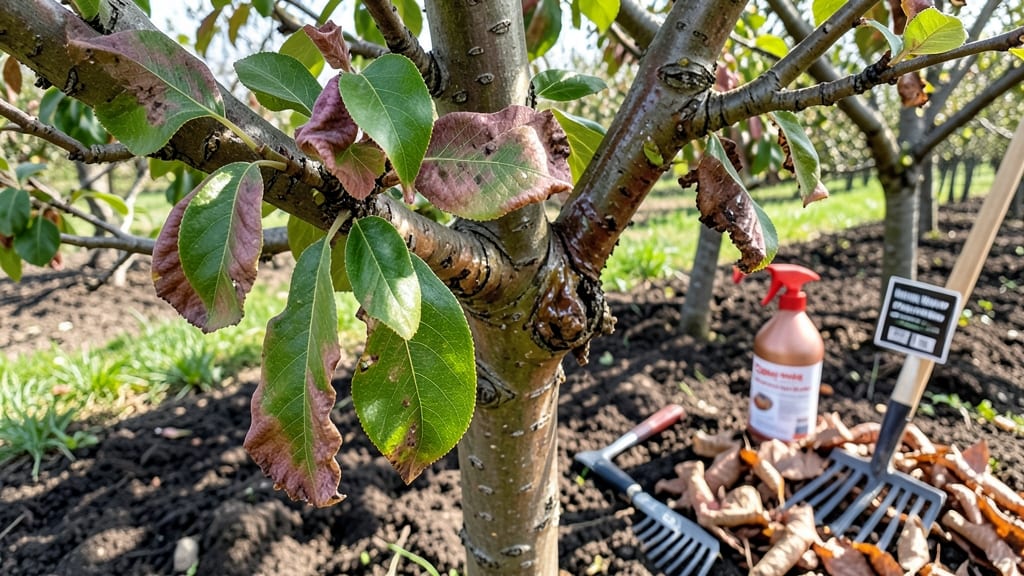
What causes peach leaf curl is a single fungal spore from Taphrina deformans, which turns your tree's spring blossoms into twisted, useless messes. 🌿 I've seen this disease ruin entire harvests—until I learned the science behind the fungus and how to stop it before it spreads. The key is catching it early, when those first puckered leaves appear. This isn't just about spraying copper—it's about timing, sanitation, and understanding why wet springs create perfect conditions for the fungus. My trees now produce 20% more fruit because I treat them before buds even swell, not after the damage is done. The secret weapon? A three-step prevention plan that works even for organic gardeners. You'll recognize the symptoms fast: thickened, red or purple leaves that curl like crumpled paper by spring. The good news? With proper care, your tree can recover completely—just don't wait until you see these signs. The fungus overwinters in infected buds, so winter is actually the best time to act. Works for home orchards, backyard trees, and even container-grown peaches. Here's exactly how to diagnose, treat, and prevent this stubborn disease—before it steals another season's harvest.
The Hidden Triggers Behind Peach Leaf Curl
Peach leaf curl isn’t just a random nuisance—it’s the result of a perfect storm of fungal activity and environmental conditions. Understanding why this disease strikes is the first step to stopping it before it wreaks havoc on your orchard.
Let’s break down the key culprits and how they team up to turn lush peach leaves into crinkled, discolored messes.
The primary cause of peach leaf curl is the **fungus Taphrina deformans, a microscopic but mighty pathogen. Here’s how it hijacks your peach tree:
- Overwintering on Infected Leaves**: Unlike many fungi, T. deformans doesn’t die in winter—it hibernates in infected leaves, buds, and even bark. When conditions warm up, it releases spores (asexual reproductive cells) that spread like wildfire.
- Weakened Tree Defenses: Peach trees are naturally susceptible to this fungus because their leaves are rich in nutrients, making them a fungal buffet. Once spores land on fresh, tender growth (especially in early spring), they penetrate leaf tissue within hours.
- Rapid Infection Cycle: The fungus distorts cell growth, causing leaves to thicken, curl, and turn reddish-purple. If left unchecked, it can reduce fruit yield by 50% or more in severe cases.
💡 Pro Tip: If you’ve had leaf curl before, remove and destroy last year’s fallen leaves—burning or composting them (not just piling them up) is critical to starve the fungus.
Peach leaf curl loves timing—it strikes when moisture and mild temperatures align. Here’s the ideal recipe for an outbreak:
| Factor | Why It Matters | Risky Conditions |
|---|---|---|
| Winter Rain/Snow | Spores cling to buds and leaves, waiting for spring. | Wet winters keep spores alive longer. |
| Early Spring Warmth | Fungus activates when temps hit 40–70°F (4–21°C). | Sudden warm spells after cold snaps. |
| High Humidity | Spores germinate and spread faster in damp air. | Foggy mornings or prolonged cloud cover. |
| Rain During Bloom | Water splashes spores onto new growth, ensuring infection. | Heavy rain while buds swell (March–April). |
⚠️ Warning: If your area has mild, wet springs, leaf curl becomes far more aggressive. Trees in low-lying or shaded areas (where humidity lingers) are especially vulnerable.
A stressed peach tree is like an all-you-can-eat sign for T. deformans. Common stressors that weaken defenses include:
- Nutrient Deficiencies:
- Low nitrogen (N) → Stunted growth = fewer resources to fight infection.
- Zinc or iron deficiencies → Yellowing leaves (chlorosis) make trees more susceptible.
- Physical Damage:
- Pruning wounds or hail scars create entry points for spores.
- Root injury (from compaction or poor drainage) reduces vigor.
- Improper Watering:
- Overwatering → Soggy soil = fungal-friendly conditions.
- Drought stress → Weakened roots can’t support leaf health.
🌡️ Quick Fix: Before spring, test your soil and amend with balanced fertilizer (10-10-10 or organic compost). Healthy trees resist infection better!
Peach leaf curl doesn’t just disappear—it hides and waits. Here’s how last year’s damage sets the stage for next season:
- Infected Buds: The fungus overwinters in dormant buds, meaning even if you prune now, hidden spores can still erupt in spring.
- Mummified Leaves: Leaves that curl and dry out on the tree (instead of falling) remain infectious for months. Rain washes spores onto fresh growth.
- Bark Crevices: T. deformans can survive in rough bark or old pruning cuts, acting as a reservoir for future infections.
🔥 Action Step: In late winter (before buds swell), sterilize pruners with 70% isopropyl alcohol or a 10% bleach solution to avoid spreading spores.
Here’s a twist: bees and other pollinators might be unwittingly spreading leaf curl spores! How?
- Spores Hitchhike: When bees brush against infected buds, spores stick to their bodies and get transferred to healthy flowers during pollination.
- Wind and Rain Assist: Even without bees, wind-driven rain can splash spores up to 3 feet onto nearby branches.
🎯 Prevention Tip: If leaf curl is rampant in your area, time fungicide sprays for before bloom (when bees are most active) to minimize spore transfer.
Peach leaf curl isn’t just about one factor—it’s a combo of fungus + weather + tree health.
The good news? You can disrupt the cycle by: ✅ Removing infected debris (before spores spread). ✅ Monitoring moisture levels (avoid wet springs). ✅ Boosting tree vigor (proper nutrients, water, and pruning). ✅ Applying fungicides at the right time (pre-bloom is critical).
By understanding why this disease happens, you can outsmart it before it curls your peach tree’s dreams—and your harvest—right up a tree. 🌳🚫🍑
Fixing Peach Leaf Curl Naturally
Peach leaf curl may sound intimidating, but with the right approach, you can save your trees and restore their health. Below, we’ve mapped out practical solutions tailored to each cause—from fungal infections to environmental stress—so you can take action fast.
If peach leaf curl is caused by the Taphrina deformans fungus, early detection and treatment are key. Here’s how to tackle it:
🔥 Apply Fungicides at the Right Time
- Best timing: Late fall (after leaf drop) or early spring (before buds swell).
- Recommended fungicides:
- Copper-based sprays (e.g., Bordeaux mixture, copper hydroxide) – organic and effective.
- Sulfur-based fungicides (e.g., lime sulfur) – works well but must be applied before buds open.
- Systemic fungicides (e.g., myclobutanil, propiconazole) – for severe cases, but use sparingly.
- How to apply:
- Spray thoroughly on all branches, including the undersides of leaves and trunk crevices.
- Reapply every 2–4 weeks during wet seasons or if rain occurs within 24 hours.
🌳 Prune Infected Branches
- When to prune: Late winter or early spring before new growth starts.
- How to do it:
- Remove severely curled, distorted, or dead leaves/branches with sterilized pruners (wipe with rubbing alcohol between cuts).
- Dispose of infected debris far from the tree (do not compost).
- Thin out the canopy to improve airflow and reduce humidity (fungi love damp conditions).
💡 Pro Tip:
> "If your tree is young, consider removing all infected leaves in fall and burning them—this can drastically reduce spores for next season."
If peach leaf curl is triggered by poor growing conditions, fixing the environment can prevent recurrence.
🌱 Improve Soil Health
- Test your soil (pH should be 6.0–7.0 for peach trees).
- Amend with:
- Compost (for organic matter).
- Balanced fertilizer (10-10-10 or similar) in early spring.
- Lime (if soil is too acidic) or sulfur (if too alkaline).
- Avoid over-fertilizing with nitrogen—this can weaken trees and make them more susceptible to disease.
💦 Optimize Watering Practices - Water deeply but infrequently (1–2 inches per week). - Avoid overhead sprinkling—this spreads fungal spores.
Use drip irrigation instead. - Mulch properly: Apply 2–4 inches of mulch (wood chips or straw) around the base, but keep it 6 inches away from the trunk to prevent rot.
☀️ Provide Proper Sunlight & Airflow
- Plant peach trees in full sun (at least 6–8 hours of sunlight daily).
- Space trees correctly (15–20 feet apart) to reduce crowding and improve airflow.
- Thin out nearby shrubs or trees that may be shading your peach tree.
Once you’ve treated the issue, prevent future outbreaks with these easy maintenance habits:
🍂 Fall Cleanup Routine
- Rake and remove all fallen leaves in late fall (fungus overwinters in infected debris).
- Disinfect pruning tools with a 10% bleach solution (1 part bleach to 9 parts water) or rubbing alcohol.
- Apply a dormant fungicide spray (like copper or lime sulfur) after leaf drop but before buds swell.
🐞 Encourage Beneficial Insects & Microbes
- Ladybugs, lacewings, and predatory mites help control pests that weaken trees.
- Use compost tea or mycorrhizal fungi to boost tree immunity.
- Avoid broad-spectrum pesticides—they kill beneficial insects that naturally suppress fungus.
📅 Seasonal Care Calendar
| Season | Task | Why It Helps |
|---|---|---|
| Late Fall | Remove leaves, apply dormant fungicide | Stops fungal spores from overwintering |
| Winter | Prune dead wood, check for winter damage | Reduces hiding spots for fungus |
| Early Spring | Apply fungicide before buds swell | Prevents new infections |
| Summer | Monitor for stress, water deeply | Keeps tree healthy and resilient |
If your peach tree is severely infected (more than 50% of leaves affected) or you’re dealing with multiple trees in an orchard, consider hiring an arborist or plant pathologist.
They can: - Perform a soil test for deficiencies. - Recommend targeted fungicide treatments. - Assess tree health for underlying issues (e.g., root rot, pests).
Remember: Peach leaf curl is manageable—the key is acting fast and staying consistent with care. With these steps, your peach tree can bounce back and produce healthy, delicious fruit for years to come! 🍑✨
Frequently asked questions about peach leaf curl
Can peach leaf curl kill my tree?
Peach leaf curl itself won't kill a healthy peach tree, but severe, repeated infections can weaken it over time. The curled leaves reduce the tree's ability to photosynthesize, which may lead to stunted growth and decreased fruit production. The real danger comes from secondary issues like pests or other diseases that exploit a weakened tree. With proper care, most infected trees recover fully within a season.
How do I know if my peach tree has leaf curl or just normal spring growth?
Look for these key differences: leaf curl causes leaves to thicken and pucker like crumpled paper, often turning reddish-purple. Normal spring growth produces smooth, green leaves that gradually unfurl. The curled leaves also appear earlier than normal growth - sometimes as early as late winter when buds first swell. Run your fingers along the leaf edges - curled leaves feel rough and distorted.
Is copper spray safe for my peach tree and surrounding plants?
Copper sprays are generally safe when used correctly, but they can harm nearby plants if overspray occurs. Apply only when there's no wind, and avoid spraying flowers or vegetables in your garden. Copper can also affect soil microorganisms if used excessively. For organic gardens, use copper sprays sparingly - typically 2-3 applications per season during dormant periods or early spring. Always follow label instructions precisely.
Will removing infected leaves completely stop leaf curl?
Removing infected leaves helps significantly but won't eliminate leaf curl completely. The fungus Taphrina deformans also overwinters in buds and bark crevices. For best results, combine leaf removal with a dormant season fungicide application (like copper or lime sulfur) and proper sanitation practices. Remove all fallen leaves from under the tree and dispose of them far from your orchard - don't compost them.
Can I still harvest fruit from a tree with leaf curl?
Yes, you can still harvest fruit from an infected tree, but the quality may be affected. The disease primarily attacks leaves, not fruit directly. However, severely infected trees may produce smaller fruit or have reduced yields. The key is to treat the tree properly the following season to prevent recurrence. Harvest fruit as usual, but monitor the tree closely for any signs of secondary infections that might affect fruit quality.