
Leaf Blower
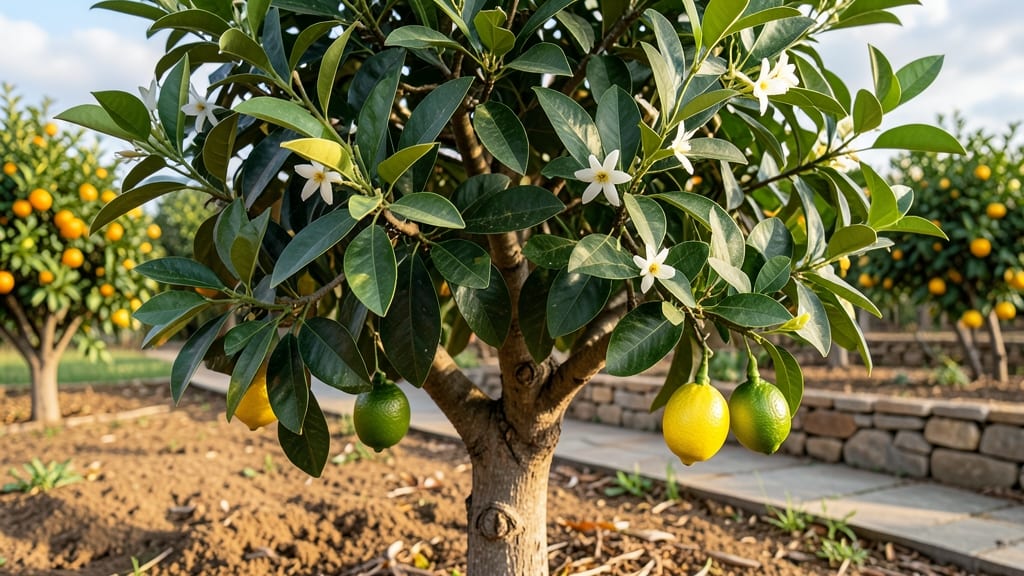
A lemon leaf’s sharp, lance-shaped silhouette is the first clue you’re looking at a true citrus tree. 🌿 Long and narrow (2–4 inches), they grow in glossy, deep green clusters that smell like sunshine when crushed—unmistakable if you’ve ever sniffed a fresh lemon peel.
The edges have fine, serrated teeth, almost like tiny saw blades, while the undersides are paler green and slightly fuzzy. Compare this to lime leaves (slightly broader) or orange leaves (wider at the base), and you’ll spot the difference instantly.
That citrusy aroma alone sets lemon leaves apart from other glossy greens. Knowing what a lemon leaf looks like helps you identify your tree, spot pests early (like spider mites hiding on the undersides), or even rescue a neighbor’s mystery plant.
A single crushed leaf can tell you more than a label ever could. For gardeners, this ID skill means the difference between a thriving Meyer lemon tree and a sad, mislabeled sapling. Now you’ll never mistake it again!
Understanding Lemon Leaf Growth
Lemon leaves aren’t just a random splash of green—their distinct shape, size, and scent are the result of a fascinating blend of genetics, environmental factors, and plant biology.
If you’ve ever wondered why lemon leaves look the way they do, the answer lies in how the plant evolves, adapts, and thrives in its natural (or cultivated) habitat. Let’s break down the science behind their iconic appearance.
The signature lance-shaped (elliptic or ovate) and small-to-medium size (2–4 inches long) of lemon leaves are hardwired into the plant’s DNA. Citrus species, including lemons (Citrus × limon), evolved these traits for survival:
- Efficient Water Use: The narrow, pointed shape reduces surface area, minimizing water loss through transpiration—critical in the Mediterranean climates where lemons originated. Thicker leaves also store more water.
- Sunlight Optimization: Lance-shaped leaves angle toward light, maximizing photosynthesis while preventing overheating. Their waxy coating reflects excess sunlight, a trait shared with other drought-resistant plants.
- Thorny Stems as Defense: While not leaves themselves, the sharp thorns on lemon branches deter herbivores, allowing leaves to focus on growth rather than repair. This indirect protection supports their delicate structure.
Fun Fact: Lemon leaves are compound in their youth—young shoots often sprout in clusters (like small, serrated fingers) before maturing into the classic single-leaf form. This is a common trait in the Rutaceae family, which includes oranges and limes.
Lemon leaves don’t grow uniformly—their appearance can shift based on environmental conditions. Here’s how:
| Factor | Effect on Leaves | Why It Happens |
|---|---|---|
| 🔥 High Heat/Drought | Smaller, thicker, and darker green | The plant conserves water by reducing leaf surface area and increasing wax production. Smaller leaves also transpire less. |
| 🌧️ Excess Moisture | Larger, paler, and more delicate | Overwatering or humid conditions force the plant to grow bigger leaves to capture more light, but they become thinner and more prone to fungal issues. |
| ❄️ Cold Temperatures | Stunted growth, purplish tinges | Cold slows metabolism, causing chlorophyll breakdown. Leaves may turn reddish-purple as anthocyanins (stress pigments) kick in. |
| ☀️ Direct Sunlight | Tougher, leathery texture | UV rays trigger the production of cutin (a waxy polymer) to shield cells, making leaves thicker and more resistant to damage. |
Pro Tip: If your lemon tree’s leaves are too small or distorted, it might be a sign of nutrient deficiency (like nitrogen or magnesium) or pest damage. Yellowing edges or spots? Check for aphids or mites!
The unmistakable lemony aroma of the leaves comes from volatile oils—specifically, limonene and citral—produced in specialized cells called oil glands on the leaf surface. Here’s the science behind it:
- Purpose of the Scent:
- 🐞 Pest Deterrent: The strong fragrance repels insects like aphids and whiteflies, which dislike the chemical composition.
- 🌿 Symbiotic Attraction: Some beneficial insects (like ladybugs) are drawn to the oils, helping control pests naturally.
- 💧 Water Regulation: The oils may also play a role in reducing water loss by creating a microclimate around the leaf.
- Why It’s Stronger in Some Leaves:
- Young, healthy leaves produce more oils than older ones.
- Stress (like drought or pruning) can increase oil production as a survival mechanism.
- Sun-exposed leaves often have a more intense scent due to higher limonene concentrations.
Caution: While the scent is pleasant to humans, never ingest lemon leaves—they contain psoralens, compounds that can cause skin sensitivity or digestive upset in large amounts.
Lemon leaves aren’t static—their shape and size evolve as the plant matures. Here’s how:
- Seedling Stage (0–2 years):
- Leaves are smaller (1–2 inches), often serrated (toothed) along the edges.
- Growth is faster as the plant focuses on root and branch development.
- Mature Stage (3–10 years):
- Leaves reach their classic 2–4 inch lance shape with smooth or slightly serrated edges.
- Pruning stimulates new, larger leaves to grow in their place (a process called compensatory growth).
- Overpruned or Stressed Trees:
- Leaves may stay smaller and clustered as the plant diverts energy to survival.
- Older trees sometimes produce larger, thicker leaves as they prioritize shade tolerance.
Actionable Tip: If you want bigger, healthier leaves, prune in late winter or early spring before new growth begins. Avoid heavy pruning in summer—it can stress the plant and lead to smaller, weaker foliage.
Quick Fixes for Lemon Leaf Issues
If your lemon tree’s leaves aren’t looking their best—whether they’re too small, yellowing, or wilted—don’t panic! Most problems have simple, actionable solutions. Below, we’ll break down common issues with lemon leaves and how to revive them, plus tips to keep your tree thriving long-term.
Cause: Poor nutrition, over-pruning, or root-bound plants. Solution:
- 🔥 Boost Fertilization: Lemon trees love nitrogen and micronutrients. Use a balanced citrus fertilizer (like 6-6-6 or 8-3-9) every 4-6 weeks during growing season (spring to fall). For organic options, try fish emulsion or compost tea.
- 🌱 Repot if Needed: If your tree is root-bound (roots circling the pot), transplant it into a slightly larger container with well-draining soil (mix potting soil with perlite or sand).
- 🍃 Prune Correctly: Avoid cutting back too aggressively. Instead, trim only dead or overcrowded branches in late winter or early spring.
💡 Prevention Tip: Water deeply but infrequently—lemon trees hate soggy roots. Let the top 1-2 inches of soil dry out between waterings.
Cause: Overwatering, underwatering, pests, or nutrient deficiencies. Solution:
- 💧 Check Watering Habits:
- Overwatering? Let the soil dry out more between waterings. Ensure pots have drainage holes.
- Underwatering? Water until it drains from the bottom, then empty the saucer to prevent root rot.
- 🐛 Pest Control: Inspect leaves for scale, spider mites, or aphids. Treat with:
- Neem oil spray (mix 1 tbsp neem oil + 1 tsp mild soap + 1 quart water).
- Insecticidal soap for severe infestations.
- 🍊 Nutrient Deficiency Fix:
- Yellow between veins? Likely iron deficiency—use chelated iron or Epsom salt (1 tbsp per gallon of water).
- Pale green leaves? Could be nitrogen deficiency—fertilize with a high-nitrogen product.
🌡️ Prevention Tip: Mist leaves occasionally (especially in dry climates) to deter pests and maintain humidity.
Cause: Extreme heat, underwatering, or fungal diseases. Solution:
- 🌞 Shield from Heat Stress:
- Move potted trees to partial shade during peak summer afternoons.
- Mulch the soil with straw or bark to retain moisture.
- 💦 Hydrate Properly: Water deeply at the base (avoid wetting leaves to prevent fungal issues). Early morning is best.
- 🍄 Fungal Disease Treatment:
- Prune affected leaves immediately.
- Spray with copper fungicide or baking soda solution (1 tbsp baking soda + 1 quart water + few drops of soap).
✨ Prevention Tip: Space plants for good airflow—crowding traps humidity and encourages disease.
If your tree is severely stressed (bare branches, no leaves), don’t give up!
- 🔪 Trim Dead Wood: Use sterilized pruners to cut back dead branches to healthy growth.
- 🌱 Refresh the Soil: Replace the top 2-3 inches of soil with fresh, well-draining potting mix.
- 💧 Water Slowly: Soak the soil gradually over 10-15 minutes to avoid shocking roots.
- 🍋 Fertilize Lightly: Use a weak fertilizer solution (half-strength) to avoid burning roots.
🎯 Long-Term Care:
- 📅 Prune annually in late winter.
- 🌞 Provide 6-8 hours of sunlight daily.
- 🍋 Harvest lemons only when fully ripe to avoid stressing the tree.
Final Thought: Lemon trees are resilient! With the right care, they’ll bounce back—and you’ll enjoy fragrant leaves and juicy fruit in no time. 🍋✨
Frequently asked questions
How can I tell the difference between lemon leaves and lime leaves?
Lemon leaves are typically narrower (2–4 inches long) with a more pointed tip, while lime leaves are slightly broader and shorter (1.5–3 inches). The key difference is the scent—crush both and lemon leaves will have a stronger citrus aroma. Lime leaves also tend to have a slightly more rounded base.
Why do some lemon leaves smell stronger than others?
The scent comes from limonene oils in the leaves, which are more concentrated in young, healthy leaves and those exposed to direct sunlight. Older leaves or shaded ones produce less oil, so their aroma will be milder. Stress (like drought) can also increase oil production temporarily.
Can I use lemon leaves for cooking if I can't find fresh lemons?
Yes! Lemon leaves add a subtle citrus flavor to dishes like soups, teas, or marinades. Use 1–2 leaves per serving (remove any thorns first) and steep in hot water for tea or finely chop for cooking. Avoid overusing—they’re potent! Never eat them raw in large quantities.
What does a lemon leaf look like when it's diseased or dying?
Healthy lemon leaves are glossy, deep green, and firm. Diseased leaves may show yellow spots, brown edges, or blackened veins. Wilting, curling, or pale green/yellowing can indicate overwatering, pests, or nutrient deficiencies. Check the undersides for spider mites or aphids if you spot webbing or sticky residue.
Are lemon leaves safe for pets if they're non-toxic to humans?
While lemon leaves aren’t as toxic as some plants, they contain psoralens that can cause mild stomach upset if ingested in large amounts. Avoid letting pets chew them—opt for pet-safe alternatives like catnip or basil if you want to share herbs. Always monitor pets around new plants.