
Pests and Diseases
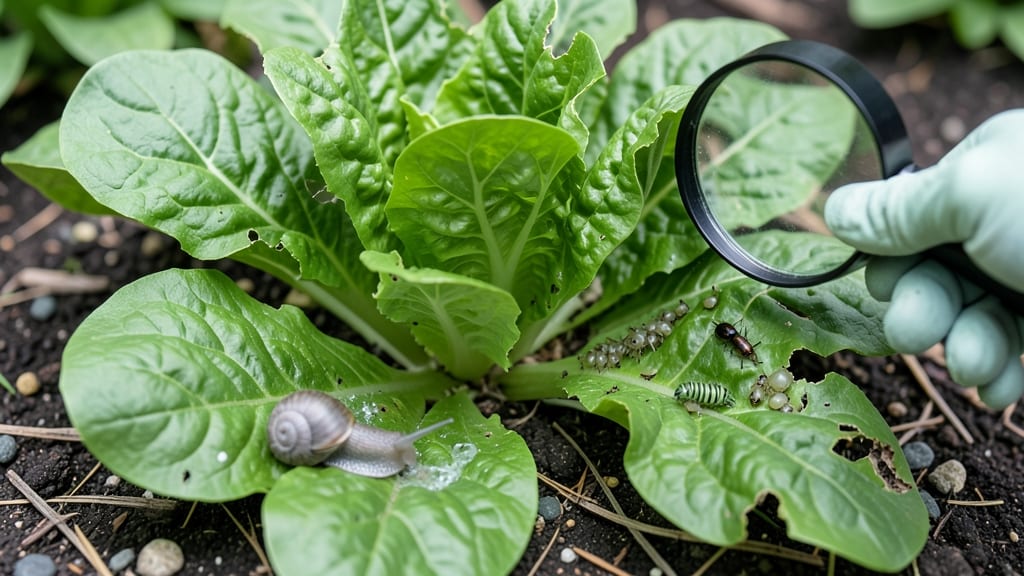
What eats a leaf in your garden is likely caterpillars, slugs, or deer—three of the most relentless pests for hostas and cabbage. 🌿 I’ve lost entire harvests to these hungry invaders, but I’ve also learned how to fight back without chemicals.
The key is identifying the pest first, then choosing the right defense.
Caterpillars chew ragged edges, slugs leave shiny trails and holes, while deer tear leaves cleanly from the stems. Prevention starts with barriers—row covers for caterpillars, copper tape for slugs, and fencing for deer. I’ve even used neem oil on caterpillars and diatomaceous earth for slugs with great success.
Once you spot the damage, act fast. Handpick caterpillars, set out beer traps for slugs, and plant deer-resistant herbs like lavender near vulnerable plants. The goal isn’t just to stop the damage—it’s to protect your garden’s future without harming pollinators or the soil.
Even the most stubborn pests can be managed with the right mix of vigilance and organic tools. Let’s turn your garden back into a thriving, pest-free paradise—starting with these targeted solutions.
Natural Forces Behind Leaf Damage
When you spot missing bites or chewed edges on your leaves, it’s rarely a random act—it’s a survival strategy. Plants, though seemingly static, are part of a dynamic ecosystem where every organism, from microscopic insects to large mammals, plays a role.
Understanding why leaves get eaten helps you anticipate, identify, and combat the issue before your garden becomes a buffet. Here’s a breakdown of the key drivers behind leaf munching:
At its core, leaf consumption is a biological necessity for herbivores. Plants are packed with nutrients like carbohydrates, proteins, and vitamins that insects, mammals, and even some birds rely on for energy and growth.
Evolution has wired these creatures to seek out leaves as a primary food source, especially when other options are scarce.
- Nutritional Value: Young, tender leaves are often richer in nutrients than mature ones, making them a high-priority target. For example, caterpillars (like those from moths and butterflies) require massive amounts of foliage to fuel their rapid growth during larval stages.
- Water Content: Many herbivores, such as slugs and snails, consume leaves to hydrate themselves, especially in dry conditions. A single slug can leave behind a silvery trail of mucus while devouring up to 10 square inches of leaf per night.
- Seasonal Scarcity: During spring and early summer, when new growth is abundant, herbivores take full advantage. Deer, for instance, may strip entire plants bare if other food sources (like grasses) are limited.
💡 Pro Tip: If you notice damage only on young or soft leaves, it’s often a sign of caterpillars or aphids targeting the most nutrient-dense parts of your plants.
Herbivore populations don’t stay constant—they fluctuate based on food availability, weather, and predation. When conditions align perfectly (like mild winters or heavy rainfall), pest numbers can explode, leading to sudden, widespread leaf damage.
| Pest Type | Trigger for Outbreaks | Signs of Overpopulation |
|---|---|---|
| Caterpillars (e.g., tent caterpillars, tomato hornworms) | Warm, wet springs + lack of natural predators (like birds or parasitic wasps) | Webbing between branches, skeletonized leaves, frass (chewed droppings) |
| Japanese Beetles | Drought-stressed plants + urban/suburban gardens (fewer natural enemies) | Irregular holes with a "windowpane" effect, beetles clustered on leaves |
| Deer | Overcrowding in suburban areas + limited alternative food (like over-harvested crops) | Clean, ragged edges on leaves, plants browsed to ground level |
⚠️ Warning: Some pests, like gypsy moth caterpillars, can defoliate entire forests in a single season. If you see large groups of larvae, act fast—they multiply exponentially.
Not all leaves are equally appealing to herbivores. Certain plants are more palatable (tasty) or defenseless (lacking natural deterrents like thorns or toxins), making them prime targets. Here’s what makes a plant a magnet for leaf-eaters:
- Soft, Broad Leaves: Plants like hostas, impatiens, and lettuce have large, tender leaves that are easy to chew. In contrast, roses with thorns or lavender with aromatic oils are often avoided.
- High Nitrogen Content: Fast-growing plants or those fertilized heavily with nitrogen (like lawns) are more nutritious and attractive to pests. 📊 Data shows: Plants with 3-5% nitrogen in their leaves are 3x more likely to be targeted by insects.
- Stress or Damage: Plants under stress (from drought, disease, or poor soil) produce less defensive chemicals, making them easier prey. For example, aphids are drawn to stressed plants because they’re easier to pierce and suck sap from.
- Scent and Color: Some herbivores use scent to locate plants. Cabbage worms, for instance, are attracted to the sulfur compounds in brassicas (like kale), while deer may avoid strongly scented herbs like mint or oregano.
🎯 Actionable Fix: If your plants are frequently targeted, try intercropping (planting pest-repellent species nearby, like marigolds or basil) to create a natural barrier.
Weather and habitat changes can turn your garden into a leaf-eater’s paradise. Here’s how environmental factors encourage munching:
- Warm, Humid Conditions: Many pests thrive in heat and moisture. Slugs become active after rain, while Japanese beetles emerge in waves during summer heatwaves.
- Drought Stress: When plants wilt, their nutritional quality drops, but they also become less toxic to herbivores. This makes them more appealing to pests like grasshoppers.
- Urbanization: As natural habitats shrink, pests like deer and rabbits venture into gardens in search of food. 📊 Studies show: Deer damage increases by 40% within 1 mile of urban edges.
- Monoculture Planting: Large patches of the same plant (like a vegetable garden) create a feast for specialists. For example, colorado potato beetles will strip an entire field of potatoes if unchecked.
🌡️ Climate Connection: Rising temperatures expand the range of pests like spotted lanternflies, which can now survive winters in areas they once couldn’t. Stay vigilant in shifting climates!
Quick Fixes for Leaf Damage
When your plants look like they’ve been through a buffet, it’s time to act fast! The good news? Most leaf-munching problems have simple, effective solutions. Below, we’ve mapped out practical fixes based on the most common culprits—whether it’s ravenous critters, hidden pests, or environmental stress.
Each solution includes prevention tips to keep your greenery safe long-term.
Problem: Tiny but mighty, caterpillars (and their worm relatives) can strip a plant bare overnight. Look for irregular holes, frass (poop), or silken webs on leaves.
How to Fix It:
- 🔥 Handpick & Squish (Literally) Wear gloves and pluck caterpillars off leaves—drop them in soapy water (1 tbsp dish soap per gallon) to kill them instantly. For large infestations, drop a bucket of soapy water from a height to smash them on contact.
- 🍳 Bacillus Thuringiensis (BT) Spray This organic, microbial pesticide is caterpillar kryptonite. Mix it with water and spray every 7–10 days until the threat is gone. Safe for humans and pets!
- 👨🍳 DIY Chili Pepper Spray Blend 1 tbsp cayenne pepper + 1 tsp dish soap + 1 quart water. Strain and spray on leaves. The capsaicin repels soft-bodied pests without harming plants.
Prevention Tips: ✅ Encourage natural predators like birds (install a feeder) and parasitic wasps (they lay eggs inside caterpillars—gross but effective!). ✅ Remove fallen leaves where caterpillars pupate. ✅ Use row covers for young plants to block egg-laying moths.
Problem: These nocturnal gluttons leave smooth, shiny trails and ragged edges on leaves. They thrive in damp, shaded areas.
How to Fix It:
- 🥘 Beer Traps (Yes, Really!) Bury a shallow container (like a yogurt cup) filled with beer. Slugs crawl in and drown—no mess, no chemicals. Refresh every 2–3 days.
- 🔪 Copper Barrier Slugs hate copper! Bend a copper tape or wire around pots or garden beds. The mild electric shock repels them. (Works best on dry soil.)
- 🌡️ Diatomaceous Earth (DE) Sprinkle food-grade DE around plants. It’s a non-toxic powder that dehydrates slugs. Reapply after rain.
Prevention Tips: ✅ Water in the morning (slugs are nocturnal and avoid dry conditions). ✅ Remove mulch near plants—slugs hide underneath. ✅ Crush egg cartons around the base of plants—they’re too sharp for slugs to cross.
Problem: These herbivores munch entire plants, leaving clean, jagged edges (deer) or gnawed stems (rabbits). Fences are the gold standard, but not everyone has space.
How to Fix It:
- 🔪 Temporary Fencing Use 8-foot tall fencing for deer or 2-foot chicken wire buried 6 inches deep for rabbits. Flexible mesh (like DeerStop) is harder to climb.
- 🌿 Repellent Sprays (Rotating Scents) Deer hate strong smells. Spray plants with a mix of:
- 1 tbsp hot pepper wax + 1 tbsp garlic powder + 1 gallon water
- Or commercial repellents like Liquid Fence (reapply every 2–4 weeks).
- 🎯 Motion-Activated Sprinklers Devices like ScareCrow spray water when they detect movement—deer and rabbits hate surprises!
Prevention Tips: ✅ Plant deer-resistant species (e.g., lavender, Russian sage, marigolds) as a buffer. ✅ Remove hiding spots like tall grass or brush near your garden. ✅ Use reflective tape or old CDs on strings—they create visual chaos that deters browsers.
Problem: Sometimes, yellowing, curling, or browning leaves aren’t from pests but from overwatering, underwatering, or nutrient deficiencies.
How to Fix It:
- 💡 Diagnose the Issue Check the soil moisture (stick your finger in—if it’s soggy, drain it; if dry, water deeply). Yellow lower leaves? Likely overwatering. Crispy edges? Underwatering.
- 🥗 Fertilize Smartly Use a balanced fertilizer (10-10-10) or compost tea for a nutrient boost. Slow-release granules work best for long-term health.
- 🌡️ Adjust Watering Habits
- Morning watering prevents fungal growth.
- Drip irrigation delivers water to roots (not leaves).
- Mulch heavily to retain moisture and regulate soil temp.
Prevention Tips: ✅ Test your soil (kits are cheap!) to know exactly what’s missing. ✅ Group plants with similar water needs together. ✅ Avoid wetting leaves if you have fungal diseases (like powdery mildew).
No matter the culprit, proactive care saves time and plants:
- 🌱 Healthy plants = fewer pests (strong leaves repel attackers).
- 🕵️ Inspect leaves regularly (catch problems early!).
- 🗑️ Clean up debris (pests love hiding in old leaves).
- 🌿 Diversify your garden (mixed plants attract beneficial insects).
Remember: The key is consistency. Try one method at a time, observe results, and adjust. Before you know it, your plants will be thriving—and the leaf buffet will be history! 🌿💪
Frequently asked questions
What are the most common signs that something is eating my leaves?
Look for chewed edges, holes, or trails of slime on leaves. Caterpillars leave irregular holes and frass (tiny droppings), while slugs create shiny, silvery trails. Deer and rabbits chew leaves cleanly from the edges, often stripping entire plants.
Can I use coffee grounds to deter pests that eat leaves?
Yes! Sprinkle used coffee grounds around plants—the caffeine acts as a natural repellent for slugs, snails, and some insects. The grounds also improve soil fertility. Just reapply after rain or watering. For caterpillars, though, focus on Bacillus thuringiensis (BT) instead.
How do I tell if deer or rabbits are eating my plants?
Deer leave clean, jagged edges on leaves and stems, often browsing entire plants. Rabbits gnaw stems at the base, creating neat, 45-degree cuts. Look for footprints or droppings nearby—deer droppings are pellet-like, while rabbit droppings are smaller and clustered.
Are there any plants that pests avoid entirely?
While no plant is 100% pest-proof, strongly scented herbs like lavender, rosemary, or mint often deter deer and rabbits. Marigolds and nasturtiums repel many insects, including aphids and caterpillars. For slugs, try garlic or chives—their pungent smell keeps them away.
How long does it take to see results from natural pest remedies?
Most organic solutions like neem oil or diatomaceous earth work within 24-48 hours for active pests. However, prevention (like barriers or companion planting) may take weeks to show full effects. Consistency is key—reapply remedies every 7-10 days or after rain.