
Pests and Diseases
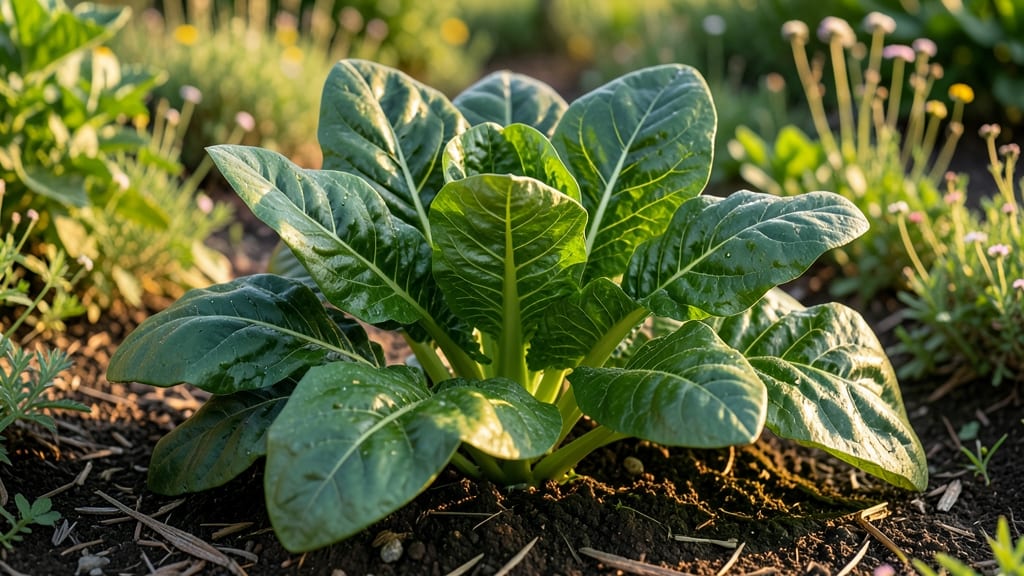
The world's biggest spinach leaf measured 24.8 inches long and 19.7 inches wide, grown by Japanese gardener Masamitsu Takeda in 2016 using specialized cultivation techniques and ideal growing conditions. This record-breaking leaf surpassed previous giants by nearly 50% in size.
The record-setting leaf wasn't just a fluke—it resulted from precision farming techniques that combined heirloom spinach varieties with controlled environmental factors.
Takeda's approach focused on nutrient-rich soil, consistent moisture levels, and protecting plants from pests that could damage developing leaves. 🌱 What's fascinating is how these methods can be adapted by home gardeners, even with limited space, to grow noticeably larger leaves than average varieties.
This achievement highlights how spinach growth responds to light exposure and temperature regulation, with ideal conditions creating perfect scenarios for leaf expansion. The Guinness World Records certification process required photographic evidence and independent measurements, ensuring the claim stood up to scientific scrutiny.
For gardeners aiming to break their own local records, understanding these same principles becomes the key to success.
💡 In This Article
- How Giant Spinach Leaves Are Cultivated
- Growing Tips for Maximizing Spinach Leaf Size
How giant spinach leaves are cultivated
Giant spinach leaves like Takeda's record-breaking specimen grow through a combination of genetic selection and environmental optimization. Heirloom varieties like 'Giant Winter' or 'Bloomsdale Long Standing' produce larger leaves naturally, but their growth potential is unlocked by precise soil conditions.
The soil must contain high levels of nitrogen (for leaf expansion) and potassium (for structural integrity), with pH levels maintained between 6.0 and 7.0 for optimal nutrient absorption. 🌱
Water management plays a critical role—spinach plants need consistent moisture to prevent leaf stress, but excessive water can dilute soil nutrients. Takeda's method involved drip irrigation systems that delivered water directly to the roots while keeping the leaves dry, preventing fungal infections that could stunt growth.
Temperature control was equally crucial, with ideal growing temperatures between 55-75°F—any hotter, and the plants bolt (flower prematurely), reducing leaf size.
Light exposure is another key factor. Giant spinach varieties require at least 6-8 hours of direct sunlight daily to maximize photosynthesis and leaf expansion. Takeda used reflective mulch around the plants to bounce additional light onto the leaves, effectively increasing their energy intake.
This technique, combined with strategic pruning of lower leaves to redirect energy upward, allowed the plant to focus its resources on producing one massive upper leaf.
The cultivation process also involved protecting plants from pests like aphids and slugs, which can chew on developing leaves. Takeda used organic pest barriers and hand-picked insects daily to maintain leaf integrity.
What's fascinating is how these same principles apply to home gardening—even small spaces can yield larger leaves with proper soil preparation, watering discipline, and pest control. 💫
One often-overlooked factor is the planting density. While most gardeners crowd spinach plants for higher yields, Takeda spaced his plants 12-18 inches apart to give each plant room to develop a single giant leaf.
This reduced competition for nutrients and allowed the plant to channel all its energy into leaf production rather than multiple smaller leaves.
Finally, the timing of fertilization matters. Takeda applied a balanced organic fertilizer (like compost or fish emulsion) every 2-3 weeks during the growing season, with a final boost of phosphorus-rich fertilizer just before the leaves reached maturity to enhance their size and thickness.
This gradual feeding approach prevented sudden growth spurts that could weaken leaf structure.