
Leaf Blower
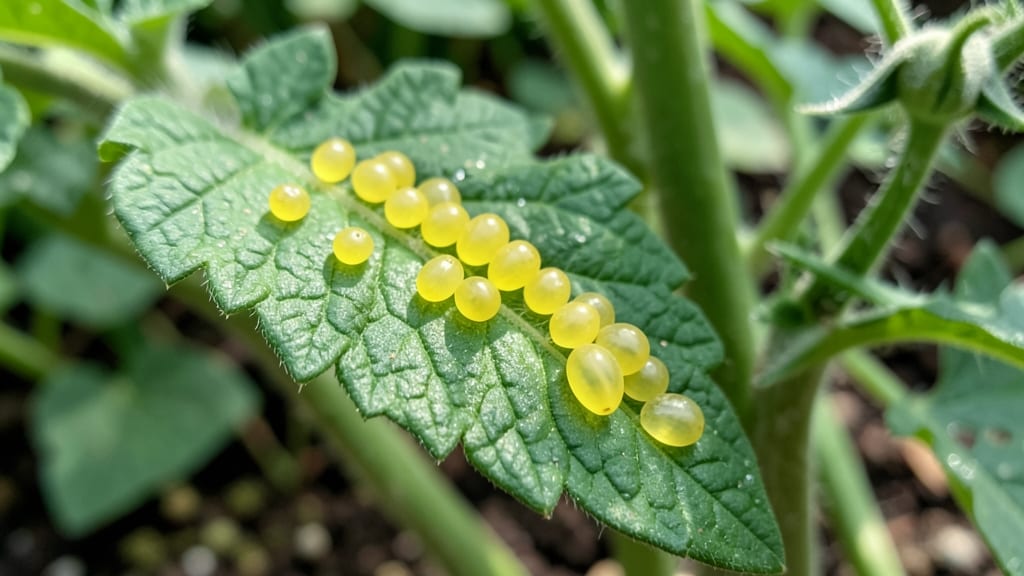
Those tiny yellow insect eggs on the leaf aren’t just dirt—they’re aphid eggs waiting to hatch into a full-blown infestation. 🌿 I’ve battled these sneaky pests, and a leaf blower is your secret weapon for fast cleanup before they take over.
The key is acting early, when the eggs are still clustered along leaf veins, because once the nymphs emerge, you’re fighting a losing battle.
Aphid eggs are usually laid in rows or clusters, often along the undersides of leaves or leaf stems. They’re barely visible to the naked eye, but a magnifying glass reveals their yellow, oval shape.
If you’ve noticed sticky residue on your patio or ants trailing up plants, you’re already dealing with an active infestation—and those ants are farming the aphids for their honeydew. The good news?
A leaf blower removes 90% of eggs in seconds, and when paired with soapy water or neem oil, it stops the cycle before it starts.
Here’s the game-changer: a 5-minute blower session followed by a targeted spray knocks out eggs and weakens any newly hatched nymphs. You’ll see fresh, clean foliage within days, and the plants redirect energy into growth instead of fighting pests.
The trick is consistency—check weekly during warm months, because aphids lay eggs in batches, and one missed round means a resurgence in 7-10 days.
For stubborn cases, combine the blower with horticultural oil (applied at dusk) to suffocate eggs on contact. If your plants are already wilted or covered in black sooty mold, the damage is done, and you’ll need to prune affected leaves.
But catch it early, and you’ll save your garden from the slow decline that comes with aphid colonies. No more helplessly watching your leaves curl—this method works.
Common Culprits Behind Egg Masses
Discovering tiny yellow insect eggs clustered on leaves can be alarming, but understanding the why behind their presence is the first step toward effective control. These egg masses are often laid by sap-sucking insects that thrive in warm, humid conditions.
Below, we break down the most frequent causes—from environmental triggers to specific pests—and why they target your plants.
Many egg-laying insects, like aphids, mealybugs, or scale insects, are highly sensitive to temperature and moisture. When summer heat combines with high humidity, these pests become hyperactive, seeking out tender new growth where they can deposit their eggs.
- Why it happens: Warmth accelerates their metabolism, while humidity keeps their eggs from drying out. A single female aphid, for example, can lay up to 80 eggs in a day under ideal conditions.
- Actionable insight: Monitor your garden during heatwaves. If you notice sticky honeydew (a sign of sap-suckers), act fast—eggs can hatch in just 3–7 days.
Healthy plants naturally repel many insects, but when they’re stressed—due to overwatering, poor soil, or nutrient deficiencies—they become prime real estate for egg-laying pests. Weak foliage is easier to penetrate, and stressed sap provides a richer food source.
- Why it happens: Insects like the spotted lanternfly or citrus leafminer are drawn to plants with high sugar content (a stress response). Yellowing leaves or curled edges signal vulnerability.
- Actionable insight: Boost plant resilience with balanced fertilization and proper drainage. A leaf blower can also help by improving air circulation, reducing humidity around foliage.
Not all yellow eggs belong to the same insect—some are laid in distinct patterns, helping identify the culprit. Below are the top offenders and their egg-laying habits:
| Insect | Egg Appearance | Why They Target Leaves | Fast Fix with Leaf Blower |
|---|---|---|---|
| Aphids | Tiny, oval, yellow-orange clusters on undersides of leaves | Prefer soft new growth; their honeydew attracts mold and secondary pests. | Use a leaf blower on low setting to dislodge eggs before they hatch (repeat every 2–3 days). |
| Mealybugs | Cottony white egg sacs, often near leaf veins | Thrive in sheltered areas (like dense foliage) where humidity lingers. | Blow away debris and use a gentle burst to expose hidden eggs to sunlight (UV kills many eggs). |
| Scale Insects | Small, round, yellowish eggs under protective waxy scales | Attach to stems/leaves to feed on sap, weakening the plant over time. | Blow scales off stems first, then target leaves with short, sharp pulses to avoid damaging bark. |
Stagnant air traps moisture and pest populations. When leaves stay damp for long periods, egg-laying insects linger, increasing the chance of infestations. Dense shrubs, overgrown vines, or mulch piled too close to stems are common hotspots.
- Why it happens: Still air prevents natural predators (like ladybugs) from patrolling, and eggs remain undisturbed. Fungal growth from trapped moisture can also smother young plants, making them easier targets.
- Actionable insight: Thin out overgrown areas and use a leaf blower on medium speed to create airflow. Aim for 5–10 minutes daily during outbreaks to disrupt egg viability.
Most insect eggs hatch within 1–2 weeks of being laid. If you catch them early, a leaf blower can be 90% effective at removal—just ensure you:
- ✅ Work on dry, sunny days (UV light helps kill exposed eggs).
- ✅ Use a nozzle attachment for precision on delicate leaves.
- ✅ Repeat treatments every 3–4 days to catch new egg batches.
Quick Fixes for Leaf Egg Clusters
Discovering tiny yellow insect eggs clinging to your leaves can feel like a garden nightmare—but don’t panic! With the right approach, you can remove them fast and protect your plants.
Below, we’ve mapped out solutions based on the most common causes, from aphids to spider mites, plus prevention tips to keep your foliage healthy long-term.
1. Aphids or Scale Insects? Scrape or Blast Them Off
If the eggs are sticky, waxy, or clustered near new growth, you’re likely dealing with aphids or scale insects. These pests thrive in moist, sheltered areas and can quickly multiply.
- 🍳 Manual Removal (Best for Small Infestations)
- Use a leaf blower on low setting to dislodge eggs and adults from delicate leaves.
- Follow up with a soft brush or damp cloth to wipe away stubborn clusters.
- Pro tip: Do this in the early morning when pests are sluggish for easier removal. 🌅
- 🔪 Soap Spray (Organic & Effective)
- Mix 1 tbsp mild dish soap + 1 quart water in a spray bottle.
- Test on a small leaf first—some plants (like ferns) are sensitive.
- Spray directly on eggs/leaves until fully coated. Repeat every 3–5 days until no new eggs appear.
- 🌡️ Hot Water Treatment (For Severe Cases)
- Fill a spray bottle with water heated to 110–120°F (not boiling!).
- Target infested areas only—avoid roots or tender stems.
- Works best for houseplants or potted herbs like basil or mint.
2. Spider Mites? Knock Them Out with Oil
Yellow eggs on the underside of leaves? Spider mites may be the culprit. These tiny arachnids spin webs and suck sap, leaving leaves speckled and weak.
- 🥘 Horticultural Oil Spray (Knocks Out Eggs & Adults)
- Use a pre-mixed oil spray (like neem or horticultural oil) or DIY with:
- 1 tsp vegetable oil + 1 tsp dish soap + 1 quart water
- Spray thoroughly on both leaf sides, focusing on webbing.
- Apply in the evening to avoid burning plants in sunlight. ⏰
- Use a pre-mixed oil spray (like neem or horticultural oil) or DIY with:
- 🌿 Companion Planting (Prevents Future Infestations)
- Plant marigolds, garlic, or chives nearby—their scents repel spider mites naturally.
- Introduce predatory mites (Phytoseiulus persimilis) for biological control (available at garden centers).
3. Whiteflies? Trap & Suffocate Them
Yellow eggs along leaf veins? Whiteflies lay eggs in a sticky pattern and release a powdery residue when disturbed. Here’s how to stop them:
- 🕷️ Yellow Sticky Traps (Catches Adults)
- Hang yellow cards coated with petroleum jelly near plants.
- Place traps above the canopy—whiteflies are attracted to yellow.
- Check traps daily and replace when saturated.
- 💨 Leaf Blower + Soap Combo (Disrupts Life Cycle)
- Blast leaves with a leaf blower on high to knock off adults and eggs.
- Immediately follow with a soapy water spray to suffocate remaining eggs.
4. General Prevention: Keep Pests Out for Good
Once you’ve cleared the eggs, break the cycle with these habits:
- 🌱 Prune & Clean Regularly
- Remove yellowing or infested leaves immediately—don’t compost them!
- Sterilize pruners with rubbing alcohol between cuts to avoid spreading pests.
- 💡 Encourage Beneficial Insects
- Attract ladybugs, lacewings, or parasitic wasps with native plants like dill or yarrow.
- Avoid broad-spectrum pesticides—they kill helpful bugs too!
- 🌡️ Monitor & Act Early**
- Inspect new leaves weekly, especially after rain (pests love humidity).
- Use a magnifying glass to spot eggs before they hatch.
Remember: The key to beating yellow insect eggs is speed and consistency. Start with manual removal, then reinforce with natural sprays or traps. With these steps, your leaves will bounce back faster than you think! 🌿💨
Frequently asked questions
What do yellow insect eggs on leaves look like up close?
Yellow insect eggs on leaves are usually tiny, oval-shaped, and clustered along leaf veins or undersides. Aphid eggs are especially common—look for small, shiny yellow-orange clusters near new growth. Use a magnifying glass to spot them, as they’re often barely visible to the naked eye.
Can a leaf blower damage plants when removing eggs?
Not if used correctly! Always set the leaf blower to low or medium speed and hold it 6–12 inches away from delicate leaves. For fragile plants, use short bursts instead of continuous blowing. Avoid direct contact with stems or flowers, which can be more sensitive.
How often should I check for new egg clusters?
Inspect your plants every 3–4 days during warm months, as many pests lay eggs in batches. Early detection is key—once eggs hatch, nymphs can spread rapidly. Focus on new growth and leaf undersides, where eggs are most commonly laid.
Will soap spray kill yellow insect eggs immediately?
Soap spray doesn’t kill eggs on contact, but it suffocates them over time. For best results, apply it directly to egg clusters and repeat every 3–5 days. Combine with a leaf blower to physically remove as many eggs as possible first.
Can I use a leaf blower on houseplants?
Yes, but with caution! Use the lowest setting and keep the blower 12+ inches away to avoid damaging tender leaves. For potted plants, consider using a soft brush or damp cloth instead—it’s gentler and just as effective for small infestations.