
Leaf Blower
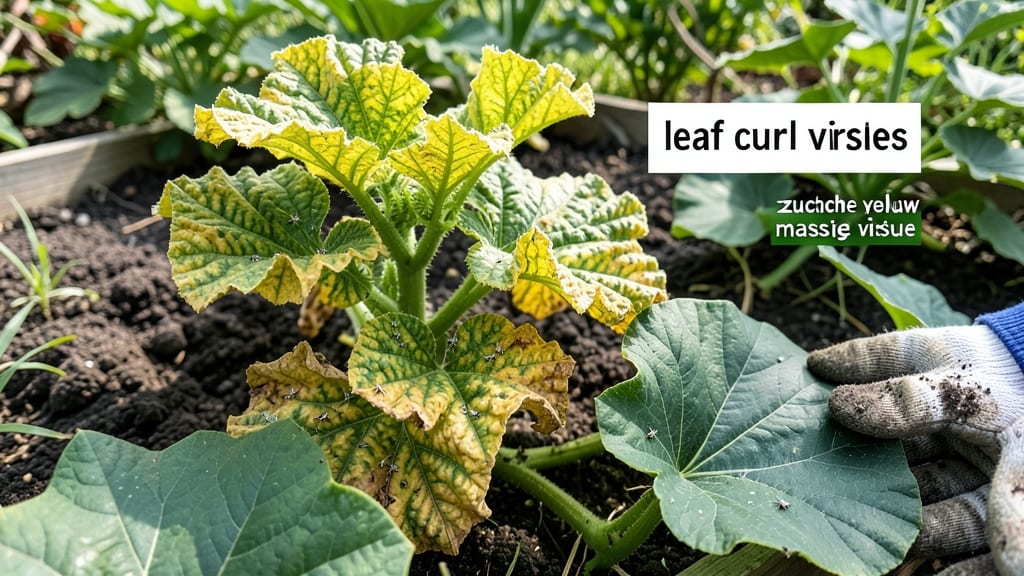
Your zucchini plants are screaming for help when those leaves curl like a crumpled paper bag. 🌿 Zucchini leaf curl isn’t just ugly—it’s a viral infection or pest party that can ruin your harvest if you don’t act fast.
The good news? Copper spray isn’t just a treatment; it’s a 72-hour revival protocol that stops the spread and restores those leaves to their proud, flat selves.
First, confirm it’s leaf curl (not just heat stress or aphids) by checking the undersides of leaves for sticky residue or tiny green bugs. Viral infections spread through sap, so remove severely curled leaves immediately—don’t compost them.
Then, improve airflow by pruning crowded vines and watering at the base, not the leaves. This cuts down on humidity, which viruses love like a buffet.
Copper spray works because it disrupts the virus’s ability to infect new cells, and it’s safe for edible plants once fully dried. Mix it up on a cloudy day to avoid burning the leaves, and reapply every 7-10 days until new growth appears.
Within three days, you’ll see the curling slow, and by day four, those leaves will start unfurling like they’ve never been stressed.
For next season, swap in resistant varieties like ‘Defender’ or ‘Gold Rush’—they’re bred to fight this exact problem. And here’s the secret weapon: yellow sticky traps hung near your plants. They catch aphids before they even think about spreading the virus.
Prevention isn’t just possible; it’s your best bet for a zucchini harvest that stays bold, green, and productive all season long.
The Hidden Triggers Behind Curling Leaves
When your zucchini plants start showing signs of leaf curl—twisted, puckered foliage that looks like it’s been crumpled in a fist—it’s rarely a random act of nature. Instead, these symptoms are usually a clear distress signal from your plants, triggered by specific environmental or biological stressors.
Understanding the root causes is the first step to restoring your zucchini’s health and preventing future outbreaks. Let’s break down the most common culprits, backed by science, so you can take targeted action.
The most devastating cause of zucchini leaf curl is often Zucchini Yellow Mosaic Virus (ZYMV) or Cucumber Mosaic Virus (CMV), both of which belong to the potyvirus and cucumovirus families.
These viruses are spread primarily by sap-sucking insects like aphids, which act as vectors, injecting viral particles into plant tissues as they feed.
Once inside, these viruses hijack the plant’s cellular machinery, disrupting normal growth hormones like auxin and cytokinin. This hormonal imbalance causes:
- Leaf curling (a defensive response to stunted growth)
- Yellowing or mottling (chlorosis due to disrupted chlorophyll production)
- Stunted stems (as the virus interferes with cell division)
Why it’s tricky: Viruses can persist in plant debris for years, and there’s no cure—only prevention. Once a plant is infected, it’s best to remove and destroy it to prevent spread. Pro tip: 💡 Use row covers to block aphids early in the season, and inspect new plants for signs of infection before transplanting.
While viruses are the primary culprits, extreme environmental conditions can weaken zucchini plants, making them more susceptible to viral infections and exacerbating symptoms. Here’s how:
| Stressor | How It Causes Leaf Curl | Actionable Fix |
|---|---|---|
| High Temperatures (>90°F/32°C) | Heat stress disrupts photosynthesis and transpiration, forcing plants to conserve water by curling leaves to reduce surface area. It also weakens cell walls, making them more vulnerable to aphid attacks. | Provide shade cloth during peak heat and mulch to keep roots cool. Water deeply in the morning to avoid evaporation. |
| Inconsistent Watering | Fluctuating moisture levels cause osmotic stress, where cells lose or gain water rapidly, leading to turgor loss (flaccid, curled leaves). Drought stress also triggers the production of ethylene, a plant hormone that promotes curling. | Use drip irrigation or soaker hoses to deliver 1–1.5 inches of water weekly. Avoid wetting foliage to prevent fungal secondary infections. |
| Poor Soil Drainage | Waterlogged roots suffocate roots, cutting off oxygen and nutrients. This leads to anaerobic stress, where roots release ethylene, signaling leaves to curl as a survival mechanism. | Amend soil with compost or perlite to improve aeration. Plant zucchini in raised beds if your soil is clay-heavy. |
Key insight: 🌡️ Environmental stress doesn’t just cause curling—it lowers a plant’s immune response, making it easier for viruses to take hold. Addressing these factors before symptoms appear is critical.
Aphids, whiteflies, and spider mites aren’t just nuisances—they’re primary spreaders of viral pathogens and direct contributors to leaf curl through physical damage. Here’s how they wreak havoc:
- Aphids: These greenfly or blackfly pests insert their stylets into plant tissues to feed on sap. In the process, they inject viral particles (like ZYMV) and remove plant nutrients, causing leaves to curl upward in a "cup" shape as a defensive response.
- Whiteflies: Their feeding damages phloem tissues, disrupting the transport of sugars and hormones. Infested plants often show silvering or yellowing alongside curling, a sign of sooty mold (a fungal hitchhiker on their honeydew).
- Spider Mites: While they don’t transmit viruses, their piercing-sucking mouthparts create tiny wounds that trigger abscisic acid production—a stress hormone that causes curling and leaf drop.
Actionable defense: 🔥 Start with a blast of water to knock off pests, then apply neem oil or insecticidal soap (repeat every 5–7 days). For severe infestations, use copper-based sprays (like your 72-hour protocol) to disrupt pest life cycles.
While less common than viral or pest-related causes, specific nutrient imbalances can mimic leaf curl symptoms. The most likely culprits are:
- Potassium (K) Deficiency: Potassium regulates osmotic balance and water movement in cells. A deficiency causes leaves to curl inward (especially along the edges) and develop brown, dead tips. Zucchini plants need 200–300 ppm potassium in soil.
- Magnesium (Mg) Deficiency: Magnesium is central to chlorophyll production. A lack of it causes interveinal chlorosis (yellowing between veins) and cupping/curling of older leaves first.
- Boron (B) Deficiency: Boron is critical for cell wall stability. Without enough, new leaves may appear thickened, curled, and brittle, with distorted growth.
How to test: 📊 Conduct a soil test or use a leaf tissue analysis to confirm deficiencies. Fix with:
- Potassium: Banana peels (composted) or greensand.
- Magnesium: Epsom salt (1 tbsp/gallon of water), sprayed on leaves.
- Boron: Borax (1/4 tsp/gallon), applied as a foliar spray.
Quick Fixes for Wrinkled Zucchini Leaves
Reviving your zucchini plants from leaf curl doesn’t have to be a mystery—just a few targeted steps can turn things around fast. Below, we’ve mapped the most common causes to practical, fast-acting solutions, plus prevention tips to keep your plants thriving. Let’s get those leaves perky again!
If your zucchini leaves are curling due to a viral infection (like Zucchini Yellow Mosaic Virus) or bacterial issues, copper-based sprays are your best defense. These disrupt pathogens without harming your plants if used correctly.
🔥 Step-by-Step Copper Spray Treatment
- Choose the Right Spray Use a copper fungicide/bactericide (e.g., Bordeaux mixture, copper sulfate, or organic copper sprays like Copper Soap). Avoid homemade copper solutions unless you’re experienced—improper mixing can burn leaves.
- Timing Is Everything Spray early morning or late evening when temperatures are below 85°F (29°C). Direct sunlight can cause leaf scorch.
- Apply Thoroughly
- Undersides of leaves (where pathogens hide!)
- Stems and new growth (prevents spread)
- Soil around the base (optional, but helps for fungal/bacterial soil-borne strains)
- Reapply as Needed
- Every 7–10 days for prevention.
- Every 3–5 days if actively treating an outbreak (keep it up for 2–3 weeks).
- Clean Up Debris Remove infected leaves (bag and toss them—don’t compost!) to stop the cycle.
💡 Pro Tips for Copper Sprays
✔ Mix with a sticker spray (like dish soap, 1 tsp per gallon) to help the copper adhere better. ✔ Rotate with neem oil (every other week) to avoid resistance and add extra protection. ✔ Wear gloves and a mask—copper can irritate skin and lungs.
If your zucchini’s leaves are curling from root stress (overwatering, compacted soil, or poor drainage), the fix is simpler: water smarter and improve soil health.
👨🍳 Fixing Water-Related Stress
- Check the Soil Moisture Stick your finger 1–2 inches deep—if it’s soggy, hold off on watering. Zucchini prefers consistently moist but not waterlogged soil.
- Repair Drainage Issues
- Raise containers if using pots (add gravel or perlite to the bottom).
- Amend garden soil with compost or sand to improve aeration.
- Water Deeply but Less Often
- Morning watering (avoids fungal growth from evening dampness).
- Drip irrigation or soaker hoses (keeps water at the roots, not the leaves).
- Fertilize for Recovery A balanced fertilizer (10-10-10) or compost tea can help stressed plants bounce back faster.
🌡️ Prevention for Future Plants
✔ Use raised beds for heavy clay soil to prevent water pooling. ✔ Mulch with straw to retain moisture without over-saturating. ✔ Avoid watering leaves (target the soil to reduce disease risk).
Zucchini leaves curl when they’re wilting from heat stress—common in hot afternoons or during droughts. Here’s how to cool them down fast.
🌿 Quick Relief from Heat Stress
- Provide Shade Temporarily Use shade cloth (30–50%) or move potted plants to a dappled sunlight spot for a few days.
- Mist Leaves (Carefully!) Lightly mist early morning to raise humidity, but avoid evening misting (encourages mildew).
- Boost Soil Moisture Water deeply at the base (not overhead) to encourage root growth and water retention.
- Harvest Strategically Pick zucchini when small—mature fruits compete for water and nutrients, stressing the plant.
🎯 Long-Term Heat Protection
✔ Choose heat-tolerant varieties (e.g., ‘Eight Ball’ or ‘Black Beauty’ zucchini). ✔ Plant in late spring/early summer to avoid peak heat waves. ✔ Use reflective mulch (like white plastic) to deflect sunlight.
If aphids, spider mites, or cucumber beetles are sucking the life out of your zucchini, act fast to stop the curl and save your harvest.
🕵️♂️ Identify & Eliminate Pests
- Blast Off Soft-Bodied Pests (Aphids, Whiteflies)
- Spray with soapy water (1 tsp mild soap + 1 quart water).
- Introduce ladybugs (natural predators!).
- Smother Spider Mites
- Wipe leaves with a damp cloth to remove webs.
- Spray neem oil (follow label instructions).
- Trap Cucumber Beetles
- Yellow sticky traps near plants.
- Handpick adults and drop them in soapy water.
- Strengthen Plant Defenses
- Foliar feed with fish emulsion (boosts natural resistance).
- Interplant with basil or marigolds to repel pests.
🛡️ Pest Prevention Checklist
✔ Rotate crops yearly to break pest cycles. ✔ Inspect new plants before transplanting (quarantine if needed). ✔ Remove volunteer squash plants (they attract pests).
Final Note: Most zucchini leaf curl issues can be reversed with consistent care—whether it’s copper sprays for pathogens, better watering for root health, or pest control for sap-suckers. Act within 72 hours for the best results, and your plants will be back to thriving in no time! 🚀
Frequently asked questions about zucchini leaf curl
Can I still harvest zucchini from plants with leaf curl?
Only if the curling is caused by environmental stress (like heat or water issues) and the rest of the plant looks healthy. If it’s a viral infection (like Zucchini Yellow Mosaic Virus), remove all affected leaves immediately and avoid harvesting from that plant—viruses can remain in the fruit. Always wash zucchini thoroughly before eating.
Will copper spray harm beneficial insects like bees?
Copper sprays are generally safe for bees when applied correctly, but avoid spraying during full bloom when bees are most active. Apply in the early morning or evening when bees are less active, and never spray directly on flowers. Always follow product instructions for timing and dilution.
How do I tell if my zucchini has a viral infection vs. just heat stress?
Check for these key differences: Viral infections cause yellow mottling, stunted growth, and curling that spreads to new leaves. Heat stress curls only affect older leaves, often with no yellowing, and improve when temperatures drop. Look for tiny green bugs (aphids) on undersides—if present, it’s likely viral.
Can I save my zucchini plants if they’re already heavily infected?
Unfortunately, once a zucchini plant has a viral infection like leaf curl, there’s no cure. Remove and destroy the entire plant (don’t compost!) to prevent spread. Focus on saving nearby healthy plants with copper sprays and pest control. For next season, choose resistant varieties like ‘Defender’ or use row covers early.
How often should I check my zucchini plants for early signs of leaf curl?
Inspect your plants 2–3 times per week, especially after rain or when pests are active. Focus on the undersides of leaves for early signs of curling, aphids, or sticky residue. Early detection gives you the best chance to treat problems before they spread—catching leaf curl in its first stages can often reverse it completely.