
Picking
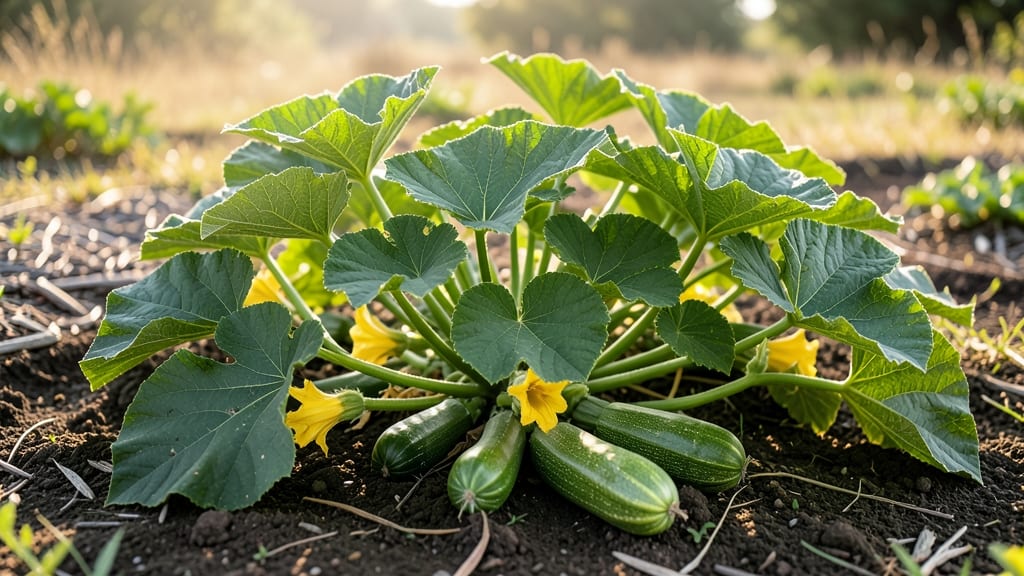
When your zucchini squash leaf identification reveals trouble, the harvest hangs in the balance. 🌿 I’ve spent summers watching plants go from lush to limp—until I learned to spot the subtle clues in leaf shape, color, and texture that reveal exactly what’s wrong.
The difference between a healthy vine and a struggling one often comes down to knowing which blemish means "fix this now" and which one you can safely ignore.
Healthy zucchini leaves are broad, dark green, and slightly rough to the touch, with jagged edges that look like they’ve been nibbled by a hungry caterpillar (which, honestly, they often have).
But when you see pale yellow patches, fuzzy white powder, or black spots with yellow halos, those are red flags. Powdery mildew leaves a chalky residue, while downy mildew creates a fuzzy, grayish film on the undersides—both mean you need to act fast to save your squash.
Pests like squash bugs and aphids leave their own calling cards: squash bugs chew ragged holes along leaf veins, while aphids cluster on tender new growth, sucking out sap and leaving sticky residue behind.
Nutrient deficiencies show up as yellowing between veins (nitrogen) or purple stems (phosphorus), and they’re easier to fix than you’d think with a simple soil boost. Once you learn these visual cues, you’ll catch problems before they ruin your harvest.
This isn’t just about spotting trouble—it’s about giving your plants the exact care they need, whether that’s adjusting watering, adding mulch, or introducing beneficial insects. Let’s turn those mystery leaves into actionable clues so you can keep your garden thriving all season long.
📚 In This Guide
- What you need
- Instructions
- Tips and common mistakes
- Wrapping up and next steps
What you need
- ● Fresh zucchini and squash plants – Ensure you have access to both types for comparison (e.g., Cucurbita pepo for zucchini and Cucurbita maxima or Cucurbita moschata for squash).
- ● Hand lens or magnifying glass – A 10x magnification tool helps spot fine details like leaf texture and vein patterns.
- ● Ruler or measuring tape – For accurately measuring leaf width, length, and lobing (in inches or centimeters).
- ● Notebook and pen – To record observations like leaf shape, color, and any distinguishing features.
- ● Camera or smartphone – Capture high-resolution images of leaves for later reference (natural light is ideal!).
- ● Pruning shears or small knife – For safely harvesting small leaf samples (sterilize with rubbing alcohol if reusing).
- ● Field guide or printed reference sheet – A quick cheat sheet with zucchini vs. squash leaf traits (we’ve got you covered in this article!).
- ● Gloves – Protect your hands from prickly stems or sap (nitrile gloves work great).
- ● Leaf press or heavy book – Flatten leaves between pages to preserve them for long-term study.
- ● UV flashlight – Some leaf veins or hairs glow under UV light, revealing hidden details!
- ● Plant identification app – Apps like PlantNet or iNaturalist can cross-reference your findings.
- ● Labeling tags – If collecting samples, label them by date and plant type to avoid mix-ups.
How to tell zucchini and squash leaves apart at a glance
Here's how I distinguish between these cousins in seconds—no botanist degree required.
🌿 Step 1: Examine Leaf Shape and Edges
Start with the leaf edges. Zucchini leaves have deeply lobed, jagged edges that look like they've been cut with a serrated knife. Each lobe points outward like fingers on a hand. Squash leaves, on the other hand, have smoother, less pronounced lobes that create a more rounded, almost scalloped appearance.
Hold a leaf up to light—you'll notice zucchini leaves have more pronounced veins that create a web-like pattern. Squash leaves have veins that are less dramatic, almost blending into the leaf's surface. This difference is your first clue: zucchini leaves are rougher and more angular, while squash leaves are softer and more rounded.
🌱 Step 2: Check Leaf Arrangement and Stem Attachment
Look at how the leaves attach to the stem. Zucchini leaves grow in a spiral pattern up the vine, with each leaf twisting slightly as it ascends. The stem where the leaf meets the vine is thicker and more pronounced—almost like a small bump. Squash leaves, however, attach more directly and evenly, with a smoother transition from stem to leaf.
Run your fingers along the vine. You'll feel the distinct nodes where zucchini leaves emerge, spaced about 2-3 inches apart. Squash leaves have nodes too, but they're less pronounced and the leaves appear more evenly spaced. This difference is subtle but noticeable once you know what to look for.
☀️ Step 3: Observe Leaf Color and Texture
Zucchini leaves are darker green and slightly glossy, almost waxy to the touch. They have a coarser texture—like lightly sandpaper. Squash leaves are lighter green and matte, with a softer, almost velvety feel. This texture difference is your third key identifier.
Check the underside of the leaves. Zucchini leaves have more pronounced hairs along the veins, giving them a slightly fuzzy appearance. Squash leaves are smoother underneath, with fewer hairs. If you're comparing young leaves, this distinction becomes even clearer—the zucchini's underside looks almost dusted with fine powder, while the squash's is clean and sleek.
🌿 Step 4: Compare Growth Habit and Vine Structure
Step back and observe the entire plant. Zucchini vines are more sprawling and bushy, with leaves that grow outward aggressively. The stems are thicker and more rigid, often developing a woody texture as the plant matures. Squash vines, meanwhile, are more trailing and less dense, with stems that stay softer and more flexible for longer.
Look for flowers—they're another giveaway. Zucchini flowers have longer, more slender petals and grow directly from the leaf nodes. Squash flowers are slightly broader and often have a more rounded shape. If you see both flowers and leaves, you can confirm your identification in seconds.
⏰ Step 5: Test with a Simple Touch-and-Smell Check
Gently rub a leaf between your fingers. Zucchini leaves emit a slightly musky, earthy scent—almost like fresh soil after rain. Squash leaves have a milder, almost sweet aroma, closer to fresh green grass. This sensory check works best in the morning when the oils in the leaves are most concentrated.
Press your thumb into the leaf. A zucchini leaf will spring back more slowly, almost like it's resisting slightly. A squash leaf feels softer and gives way more easily. This subtle difference in resilience is your final confirmation—zucchini leaves are tougher, while squash leaves are more delicate.
Tips & tricks for mastering zucchini and squash leaf identification
These quick tricks will help you spot the differences between these leafy cousins in seconds—no guesswork required.
Leaf Edge Focus: When examining leaf edges in Step 1, I always start with the most obvious difference—the jaggedness. Zucchini leaves have those distinctive serrated edges that look like they've been cut with a knife, while squash leaves have smoother, rounded scallops. If you're still unsure, try holding the leaf up to a bright light source—this makes the vein patterns pop even more dramatically.
Vein Pattern Secret: In Step 1, the vein contrast is your secret weapon. Zucchini leaves have that web-like pattern that makes them look almost lacey, while squash leaves have veins that blend more seamlessly. I've found that young leaves show this difference most clearly—older leaves can develop more pronounced veins in both types, so focus on fresh growth when possible.
Texture Test: The texture check in Step 3 is where things get really interesting. Zucchini leaves feel almost like lightly sandpaper when you run your fingers over them, while squash leaves have that soft, velvety quality. Here's a pro move: rub the underside between your fingers—zucchini leaves will feel slightly fuzzy, while squash leaves stay smooth. This tactile difference is often the clincher when visual clues aren't enough.
Growth Pattern Insight: When comparing vine structures in Step 4, pay special attention to how the leaves spiral versus how they attach. Zucchini leaves grow in that distinctive spiral pattern with pronounced nodes every 2-3 inches, while squash leaves attach more directly. I've noticed this difference is most obvious in the morning when the plants are fully hydrated and the leaves aren't wilted from afternoon heat.
Pro Tips for Zucchini Squash Leaf Identification
- These quick tricks will help you spot the differences between these leafy cousins in seconds—no guesswork required.
- Leaf Edge Focus: When examining leaf edges in Step 1, I always start with the most obvious difference—the jaggedness.
- Vein Pattern Secret: In Step 1, the vein contrast is your secret weapon.
Frequently asked questions
Got questions about zucchini and squash leaf identification?
You’re not alone! Here are some of the most common queries—plus quick, practical answers to help you spot the difference like a pro.
How do I tell the difference between zucchini and squash leaves at a glance?
Zucchini leaves are slightly lobed with broader, jagged edges, while squash leaves (like butternut or pumpkin) tend to be more deeply lobed or palm-shaped. Check the leaf’s overall shape—zucchini leaves are closer to a heart with teeth, while squash leaves resemble a maple leaf.
When is the best time to identify leaves for accurate results?
Morning is ideal! Leaves are fully hydrated and easier to examine after dew has dried (around 8–10 AM). Avoid midday when heat can distort shapes. If you’re in doubt, snap a photo and compare it to a leaf identification guide—lighting matters!
Can I eat zucchini or squash leaves if I can’t tell them apart?
Yes, but only if they’re healthy! Both leaves are edible and nutritious (high in iron and vitamin C), but avoid wilted, yellowed, or pest-damaged leaves. Young, tender leaves taste best—blanch them for 2–3 minutes before sautéing or adding to soups. Pro tip: Harvest leaves early to encourage fruit growth!
What if my plant’s leaves look like neither zucchini nor squash?
Check for hybrids (like ‘Tiger’ zucchini) or common pests (aphids, powdery mildew). If leaves are mottled, curled, or spotted, it could signal disease. Compare with a pest/disease database or consult a local extension office. Quick fix: Prune affected leaves and treat with neem oil if needed.
Are there apps or tools to help identify leaves accurately?
Try the PlantNet or PictureThis apps—upload a photo, and they’ll match leaves to your plant’s species. For gardeners, GrowVeg’s leaf ID tool is beginner-friendly. Always cross-check with a physical guide, though—apps can misidentify hybrids!
Wrapping up and next steps
Identifying zucchini and squash leaves doesn’t have to be a guess—now you’ve got the key visual cues to tell them apart with confidence!
Whether you’re a gardener, forager, or just curious about your backyard harvest, recognizing these subtle (but important) differences ensures you’re picking the right plant—and avoiding any mix-ups with toxic lookalikes. 🌱
Ready to put your new skills to the test? Grab your gardening gloves and head outside! Snap a photo of your plants, compare them to the traits you’ve learned, and enjoy the satisfaction of a job well done. Happy harvesting! 🎉