
Pruning
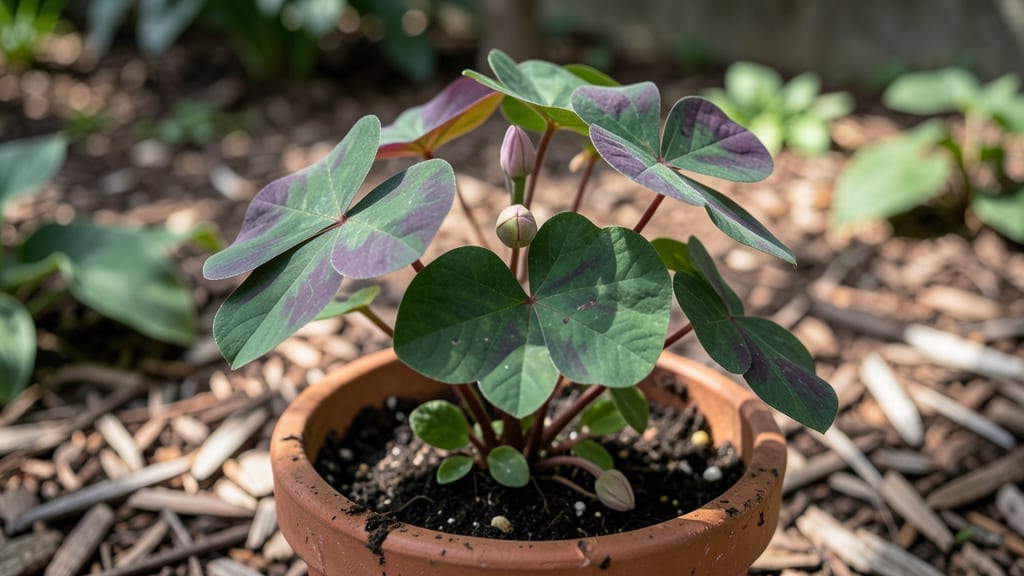
The 3-point leaf tree stands out with its signature trifoliate leaves—three sharp, elongated leaflets arranged in a symmetrical fork shape. Known botanically as Pentaclethra macroloba, this tropical species thrives in warm climates and produces eye-catching seed pods that look like miniature spiky decorations.
The 3-point leaf tree gets its name from those distinctive three-pronged leaves, which create a striking visual pattern against its glossy dark green foliage. 🌿 This tree isn't just about looks—its seed pods add another layer of interest, often catching sunlight and creating a subtle shimmer in the garden.
Native to Central and South America, it adapts well to USDA zones 10-12 but can be grown in containers for cooler climates with proper winter care.
What makes this tree particularly appealing is how its leaf structure changes subtly with seasons—new growth emerges with a slightly lighter hue before darkening. The symmetrical arrangement of leaflets helps distinguish it from similar trees like acacias, which typically have more rounded leaf shapes.
For gardeners, this means you can spot it easily in mixed plantings.
💡 In This Article
- Identifying 3-Point Leaf Tree by Leaf Structure and Growth Habits
- Optimal Growing Conditions and Maintenance for 3-Point Leaf Trees
Identifying 3-Point leaf tree by leaf structure and growth habits
The trifoliate leaves of the 3-point leaf tree (Pentaclethra macroloba) are its most defining feature, with each leaf composed of three 5-10 cm long, lance-shaped leaflets. These leaflets emerge in pairs from a central stem, forming a perfect Y-shape when viewed from above.
The leaflets have smooth edges and a slightly waxy texture that repels water, reducing fungal risks in humid tropical climates. 🌿 This unique arrangement sets it apart from acacias, whose leaflets often appear more rounded or clustered.
The tree's bark provides another identification clue—it's smooth and grayish-brown when young, but develops shallow, irregular grooves as it matures. Unlike mimosas, which often have thorny branches, Pentaclethra branches are typically thornless, though they may develop small, soft spines along younger growth.
The growth habit is semi-deciduous, with leaves turning a dull bronze before dropping during dry seasons, though it retains some foliage year-round in optimal conditions.
Seasonal changes reveal more about this tree's identity. New leaves emerge with a lighter green hue and slightly fuzzy undersides before darkening to a deep, glossy green.
The seed pods add another layer of distinction—10-15 cm long and spiky, they resemble miniature dragon scales and persist on the tree for months, often catching sunlight to create a subtle metallic sheen. These pods contrast sharply with acacia pods, which are typically straight and papery.
For precise identification, examine these key features together: the Y-shaped trifoliate leaves, smooth bark, semi-deciduous habit, and ornamental seed pods.
In mixed plantings, these characteristics help distinguish it from similar trees like the Acacia or Mimosa, which lack the 3-point leaf arrangement and often have different pod structures. 🔍
Botanists also note that the tree's flowers—small and yellowish—appear in dense clusters during spring, though they're less showy than the foliage. The flowers' subtle fragrance adds another sensory clue for gardeners familiar with tropical species.
This combination of visual and textural traits makes the 3-point leaf tree instantly recognizable once you know what to look for.
When comparing with other tropical trees, pay attention to these distinguishing factors:
- Leaf arrangement: Perfect Y-shape vs. rounded clusters in acacias
- Pod shape: Spiky, scale-like vs. straight pods in mimosas
- Bark texture: Smooth with shallow grooves vs. deeply fissured in some related species
- Thorns: Rare or soft vs. prominent in many acacias
The tree's ability to maintain some foliage year-round in tropical climates—while others may drop leaves completely—also helps with identification. This persistence is particularly noticeable in USDA zones 10-12, where it thrives as a small to medium-sized tree reaching 15-25 feet tall. 🌳