
Planting
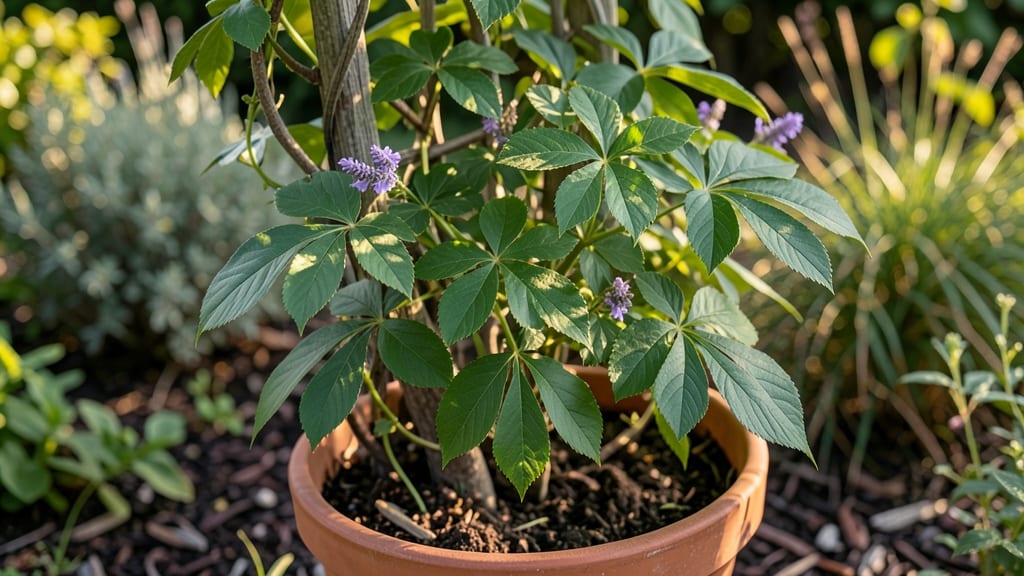
That five-leaf climbing plant you’ve been admiring could be Virginia creeper—fast-growing and perfect for trellises or erosion control. 🌿 I’ve propagated mine both in water and soil, and the results are shockingly quick, with roots appearing in just 2-3 weeks.
The secret lies in timing, the right cuttings, and a little patience.
Virginia creeper thrives in partial shade to full sun and tolerates most soil types, though it prefers well-draining mixes. Watering is simple: keep the soil consistently moist but never soggy, especially during its first few weeks of growth.
The plant’s signature five-leaf clusters make it a standout, whether climbing a fence or cascading over a bank.
By summer’s end, you’ll have a lush, vibrant green vine ready to cover vertical spaces or stabilize slopes. The best part? It’s low-maintenance once established, with minimal pruning needed beyond occasional trimming to shape it. Perfect for gardeners who want beauty with minimal fuss.
Works in zones 3-9 and pairs well with other climbers like ivy or wisteria. If you’ve struggled with slow-growing vines before, this one’s a game-changer—foolproof for beginners and pros alike. Let’s get those cuttings rooted!
Understanding Leaf Drop Causes
If your five-leaf climbing plant (likely a Philodendron hederaceum or similar) is shedding leaves unexpectedly, don’t panic—it’s usually a response to environmental or care-related stress. Below, we break down the most common reasons why this happens, rooted in science, so you can troubleshoot like a pro.
🌡️ Temperature Fluctuations & Drafts
These tropical plants thrive in consistent warmth (ideal range: 65–80°F / 18–27°C). Sudden drops below 50°F (10°C) or exposure to cold drafts (like AC vents or open windows in winter) trigger leaf drop as a survival mechanism.
Cold stress disrupts photosynthesis and cellular respiration, causing leaves to abscise (detach) to conserve energy.
- 🔍 Signs: Yellowing leaves, wilting, or crispy edges near drafts.
- ✅ Fix:
- Move the plant away from windows, doors, or heating/cooling sources.
- Use a thermometer to monitor temperature swings.
- In winter, add a humidifier near the plant to counteract dry indoor air.
💧 Overwatering or Poor Drainage
Root rot from soggy soil is a silent killer. Five-leaf climbers hate "wet feet"—their aerial roots need oxygen, and waterlogged conditions suffocate them. When roots can’t absorb nutrients or gas exchange, the plant sheds leaves to reduce water loss via transpiration.
📊 Science alert: Ethylene gas (a stress hormone in plants) builds up in waterlogged soil, signaling leaves to drop. Meanwhile, fungal pathogens like Phytophthora thrive in anaerobic (oxygen-poor) soil, attacking roots.
- 🔍 Signs: Yellowing leaves, mushy stems, or a foul soil smell.
- ✅ Fix:
- Use a pot with drainage holes and a well-draining mix (e.g., 50% potting soil + 50% perlite/orchid bark).
- Water only when the top 1–2 inches of soil are dry (stick your finger in to test!).
- If rot is suspected, trim affected roots with sterilized scissors and repot in fresh soil.
☀️ Light Stress: Too Much or Too Little
These plants are low-light tolerant but hate direct sun or dim, dark corners. Too much light causes photoxidative damage (sunburn), while too little starves the plant of energy, both triggering leaf drop.
- 🔥 Too much light:
- 🔍 Signs: Brown, crispy patches on leaves (like "scorched" edges).
- ✅ Fix: Move to bright, indirect light (e.g., near an east-facing window or 3–5 feet from a south-facing one). Use a sheer curtain to diffuse harsh rays.
- 🌑 Too little light:
- 🔍 Signs: Small, pale leaves; leggy growth; leaves dropping from the bottom up.
- ✅ Fix:
- Rotate the pot quarter-turn weekly for even light exposure.
- Supplement with a grow light (12–14 hours/day) if natural light is insufficient.
🌬️ Low Humidity & Dry Air
Native to tropical rainforests, these plants crave humidity (ideal: 60–80%). Dry air causes transpiration stress, where leaves lose moisture faster than roots can replace it. The plant drops leaves to reduce surface area and conserve water.
- 🔍 Signs: Brown, papery leaf edges; curled or crispy leaves.
- ✅ Fix:
- Place the pot on a pebble tray with water (not touching the pot).
- Group plants together to create a microclimate.
- Use a humidifier or mist leaves lightly daily (avoid soggy foliage).
🌱 Nutrient Deficiencies or Over-Fertilizing
Leaf drop can also signal imbalanced nutrition. While these plants are lightweight feeders, deficiencies in nitrogen, magnesium, or potassium weaken leaves, making them drop prematurely. Conversely, over-fertilizing burns roots, disrupting nutrient uptake.
📊 Key deficiencies:
- Nitrogen (N): Yellowing leaves (older leaves first).
- Magnesium (Mg): Interveinal yellowing (between veins).
- Potassium (K): Brown leaf edges or spots.
- ✅ Fix:
- For deficiencies: Use a balanced liquid fertilizer (e.g., 10-10-10) diluted to half-strength every 4–6 weeks in spring/summer.
- For over-fertilizing: Flush the soil with water until it runs clear from the drainage hole. Repot if roots are damaged.
🐛 Pests or Disease Pressure
Sap-sucking pests like spider mites, mealybugs, or scale weaken leaves by extracting chlorophyll and injecting toxins. Fungal/bacterial infections (e.g., leaf spot) also force the plant to shed damaged foliage to redirect energy to new growth.
- 🔍 Signs:
- Sticky residue (honeydew) or white webbing (mites).
- Cotton-like clusters (mealybugs) or brown bumps (scale).
- Yellow/brown spots with halos (fungal disease).
- ✅ Fix:
- Isolate the plant and wipe leaves with a soapy sponge (1 tsp mild soap per quart of water).
- Use neem oil or insecticidal soap as a prevent
Practical fixes for climbing vine
Reviving and maintaining a healthy five-leaf climbing plant (like Hedera helix or Epipremnum aureum) doesn’t have to be a mystery. Whether your plant is struggling with yellowing leaves, slow growth, or leggy stems, these targeted solutions will help you get it back on track—fast.
Below, we’ve mapped common issues to easy fixes, plus prevention tips to keep your vine thriving.
Cause: Overwatering, underwatering, or nutrient deficiencies. How to Fix It:
- Check the soil moisture 💧—stick your finger 1–2 inches deep. If damp, hold off on watering. If dry, give it a thorough soak until water drains from the bottom.
- Adjust your watering routine: Water only when the top inch of soil feels dry. Ensure pots have drainage holes to prevent root rot.
- Fertilize lightly 🌿—use a balanced liquid fertilizer (10-10-10) diluted to half-strength every 4–6 weeks during spring and summer.
Prevention Tips: ✔ Use well-draining soil mixes (add perlite or orchid bark for aeration). ✔ Avoid soggy soil—empty saucers after watering to prevent salt buildup.
Cause: Lack of light or overpruning. How to Fix It:
- Move to brighter indirect light ☀️—these vines thrive in medium to bright indirect sunlight. A north- or east-facing window is ideal.
- Rotate the pot weekly 🌀 to ensure even growth and prevent lopsided stems.
- Prune strategically ✂️—trim back leggy stems to encourage bushier growth. Cut just above a leaf node to promote new shoots.
Prevention Tips: ✔ Avoid deep shade—artificial grow lights (12–14 hours/day) work for indoor setups. ✔ Fertilize with a higher-nitrogen formula (like 20-10-10) to boost leafy growth.
Cause: Dry air, poor hygiene, or stressed plants. How to Fix It:
- Isolate the plant 🛑 to prevent pests from spreading to other houseplants.
- Wipe leaves with neem oil 🍃—mix 1 tsp neem oil + 1 tsp mild soap in 1 quart of water. Spray thoroughly (test on a small area first).
- Blast off pests 💦—use a strong stream of water to dislodge spider mites or aphids from stems and undersides of leaves.
- Introduce beneficial insects 🐞—ladybugs or lacewings eat common pests naturally.
Prevention Tips: ✔ Mist leaves regularly (especially in dry climates) to deter spider mites. ✔ Inspect new plants before bringing them home—quarantine for 2 weeks.
Cause: Root rot, weak cuttings, or lack of humidity. How to Fix It:
- Use sharp, sterile scissors ✂️—cut a healthy stem with at least 2–3 leaves and a node (where roots grow).
- Change the water weekly 💧—old water breeds bacteria. Add a drop of hydrogen peroxide (3%) to keep it fresh.
- Boost humidity 🌡️—place the jar in a bright, humid spot (like a bathroom or over a pebble tray).
- Try soil propagation instead 🌱—plant cuttings in moist potting mix with perlite for better success rates.
Prevention Tips: ✔ Use filtered or distilled water to avoid chlorine buildup. ✔ Keep cuttings in indirect light—direct sun can scorch new growth.
Cause: Root issues, dehydration, or sudden temperature changes. How to Fix It: - Check roots 🌱—gently remove the plant from its pot. Healthy roots are firm and white; mushy or black roots mean rot.
Trim damaged roots with sterilized scissors. - Repot if needed 🏺—use fresh, well-draining soil and a pot just 1–2 inches larger than the current one. - Revive with a misting 💦—spray leaves lightly and place the plant in a humid environment (like a shower stall) for a few hours.
Prevention Tips: ✔ Avoid cold drafts or heaters—keep temps between 60–80°F (15–27°C). ✔ Water consistently—don’t let soil dry out completely between waterings.
- Rotate your plant 🌀 every few weeks to ensure even sunlight exposure.
- Dust leaves regularly 🧹—use a damp microfiber cloth to help your plant absorb more light.
- Monitor soil pH 📊—ideal range is 6.0–7.0. Test kits are affordable and make a big difference!
With these fixes, your five-leaf climber will bounce back in no time. Whether you’re troubleshooting yellow leaves, pests, or propagation woes, small adjustments can make a huge difference in its health and vigor. Happy growing! 🌿✨
Frequently asked questions
What are the most common types of five-leaf climbing plants?
The two most popular varieties are Virginia creeper (Parthenocissus quinquefolia) with its classic five-leaf clusters, and Boston ivy (Parthenocissus tricuspidata), which also has five-lobed leaves. Both are excellent for covering walls and trellises. For indoor spaces, Philodendron hederaceum (heartleaf philodendron) is another common five-leaf climber.
How do I know if my plant needs more light?
Look for leggy stems with sparse leaves or leaves that appear pale and small. These are classic signs of insufficient light. Rotate your plant weekly to ensure even exposure, and consider supplementing with a grow light if natural light is limited. Bright indirect light is ideal for most five-leaf climbers.
Can I grow a five-leaf climbing plant in containers?
Many varieties like Philodendron hederaceum thrive in containers, especially with proper care. Use a pot with drainage holes and a well-draining soil mix. For outdoor varieties like Virginia creeper, choose a container at least 12 inches deep and repot every 2-3 years to accommodate growth.
Why are the leaves on my five-leaf climber turning yellow?
Yellowing leaves usually indicate overwatering or nutrient deficiencies. Check soil moisture—water only when the top 1-2 inches are dry. Yellowing can also signal root rot if the soil stays soggy. For deficiencies, use a balanced fertilizer every 4-6 weeks during growing season.
How do I prune my five-leaf climbing plant for bushier growth?
Prune in early spring by cutting back leggy stems to just above a leaf node. This encourages new growth from the base. For trailing varieties, trim overly long vines to maintain shape. Always use clean, sharp scissors to avoid damaging the plant. Regular pruning keeps your climber healthy and full.