
Plants
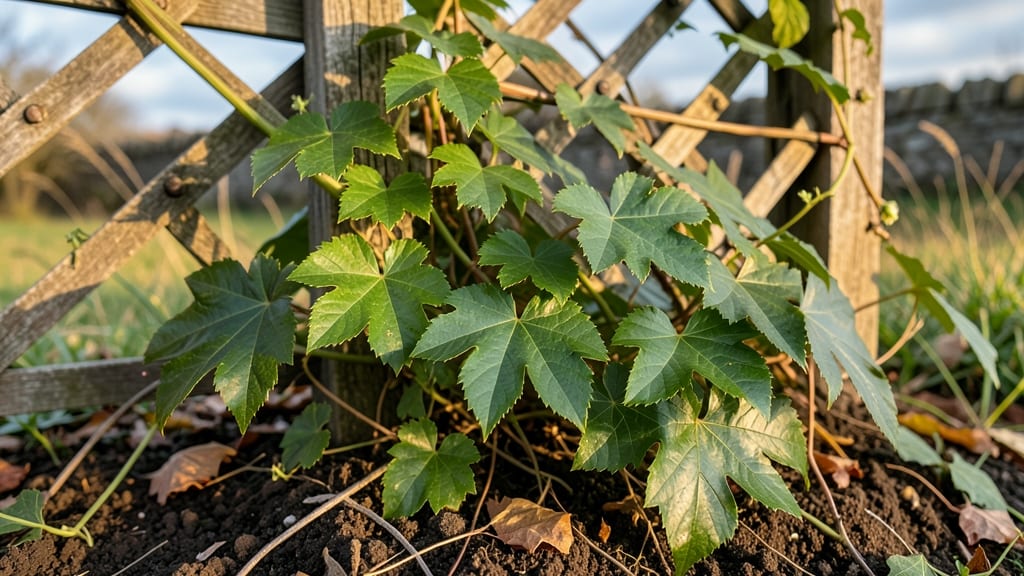
The five-leaf climbing vine transforms bare walls into lush green canopies with almost no effort from you. 🌿 I’ve watched mine turn a dreary brick wall into a vibrant living tapestry—all while requiring less pruning than most shrubs.
The secret lies in its adaptability and the right growing conditions, which I’ll break down so you can replicate this effortless beauty in your own space.
This vine thrives in partial shade to full sun, making it perfect for urban patios, trellises, or even covering unsightly fences. It tolerates a wide range of soils, from sandy to clay, as long as drainage isn’t terrible.
Water it consistently for the first year, then let nature take over—it’s surprisingly drought-tolerant once established. The real magic happens when you let it climb, where it’ll produce those iconic five-leaf clusters that turn heads all year round.
By summer’s end, you’ll have a wall covered in vibrant green foliage that stays lush even through winter. The best part? Minimal pruning keeps it manageable—just trim back any overgrowth in early spring to encourage fresh, vigorous growth.
It’s the kind of plant that makes gardening feel like a breeze, not a chore.
Works beautifully alongside other shade-loving plants like hostas or ferns, or let it stand alone as a dramatic focal point. Whether you’re dressing up a balcony or reclaiming an eyesore, this vine delivers results with almost no fuss. Let’s get you growing!
Root Causes Of Leaf Drop
If your five-leaf climbing vine (likely a Parthenocissus quinquefolia, or Virginia Creeper) is shedding leaves unexpectedly, it’s usually a sign of stress from one or more environmental or care-related factors.
Understanding these triggers helps you address the issue before it becomes severe. Below, we break down the most common reasons—with science-backed explanations—and how to fix them.
Virginia Creeper thrives in USDA Zones 3–9, meaning it can handle cold winters but struggles with sudden temperature swings—especially when combined with other stressors like drought or wind. Here’s why it happens:
- Cold Shock: If nighttime temps drop below 20°F (-7°C) without gradual acclimation, the vine’s cells can freeze, causing leaf desiccation (drying out) and drop. This is common in unprotected climates or after early frost.
- Heat Stress: Prolonged exposure to above 90°F (32°C) without adequate hydration leads to wilting and leaf scorch. The vine’s stomata (pores) close to conserve water, but this disrupts photosynthesis, triggering premature leaf fall.
- Wind Burn: High winds increase transpiration rates (water loss), drying leaves from the edges inward. This is why vines on exposed walls or fences suffer more.
Actionable Fix:
- ✅ Mulch heavily in winter (3–4 inches of shredded bark or wood chips) to insulate roots.
- ✅ Use frost cloth in early spring/fall for young vines or tender new growth.
- ✅ Water deeply before heatwaves (1–1.5 inches per week) and avoid overhead sprinklers that cool leaves temporarily but promote fungal issues.
While Virginia Creeper is drought-tolerant once established, waterlogged soil is a silent killer. Here’s the science:
- Root Suffocation: Compacted or clay-heavy soil traps excess moisture, cutting off oxygen to roots. Without oxygen, roots anoxic stress sets in, releasing ethylene gas—a plant hormone that triggers leaf abscission (dropping).
- Fungal Infections: Stagnant water breeds Phytophthora and Pythium, pathogens that clog root xylem vessels. The vine can’t transport water/nutrients, so leaves yellow (chlorosis) and fall.
- Nutrient Leaching: Overwatering washes away magnesium and potassium, critical for chlorophyll production. Deficiencies appear as interveinal yellowing (between leaf veins).
Actionable Fix:
- ✅ Test soil drainage: Dig a 12-inch hole, fill with water, and time how long it takes to drain. If it’s more than 6 hours, amend with perlite or coarse sand.
- ✅ Water at the base (not leaves) and only when the top 2 inches of soil are dry.
- ✅ Raise beds if planting in heavy clay—elevate roots to improve airflow.
Virginia Creeper is a moderate feeder, but poor soil quality or competitive roots (like nearby trees) can starve it. Key deficiencies include:
| Nutrient | Symptoms | Cause |
|---|---|---|
| Nitrogen (N) | Pale green or yellow leaves (starting with older leaves) | Exhausted soil, over-pruning, or synthetic fertilizer burnout. |
| Iron (Fe) | Yellowing between veins (interveinal chlorosis), even in acidic soil | High pH (above 7.0) locks out iron, despite its presence. |
| Potassium (K) | Brown, crispy leaf edges (scorch) or weak stems | Leaching from overwatering or sandy soil. |
Actionable Fix:
- ✅ Soil Test First: Use a home test kit or send a sample to a local extension office. Virginia Creeper prefers slightly acidic to neutral pH (6.0–7.0).
- ✅ Feed Strategically:
- For Nitrogen: Apply compost or well-rotted manure in early spring.
- For Iron: Use chelated iron supplements (like Iron Chelate) if pH is high.
- For Potassium: Add wood ash (sparingly) or a balanced 5-10-10 fertilizer in late summer.
- ✅ Avoid Synthetic Fertilizers in winter—they can burn roots in cold soil.
While Virginia Creeper is generally pest-resistant, aphids, spider mites, and scale insects can sap its energy, leading to leaf drop. Diseases like powdery mildew or leaf spot also play a role:
- Sap-Sucking Pests: Aphids and mites inject toxic saliva while feeding, disrupting nutrient flow. Heavy infestations cause stunted growth and premature leaf fall.
- Fungal Infections: Powdery mildew (white fungal coating) blocks sunlight, while leaf spot (brown/black lesions) destroys leaf tissue. Both force the vine to shed damaged foliage.
- Root Weevils: Larvae chew on roots, reducing water/nutrient uptake. Infested vines wilts and drops leaves, especially in hot afternoons.
Actionable Fix:
- ✅ Inspect Leaves: Look for sticky residue (honeydew), fine webbing, or discolored spots.
- ✅ Blast Pests Off: Use a strong spray of water to dislodge aphids/mites. Repeat every 3–4 days.
- ✅ Fungal Remedies:
- For powdery mildew: Spray with neem oil or baking
Quick Fixes for Common Vine Issues
If your five-leaf ivy (or similar climbing vine) isn’t thriving, don’t panic—most problems have simple, effective solutions. Below, we’ve mapped common issues to practical fixes, along with prevention tips to keep your green wall lush year-round.
Problem: Too much space between leaves or vines stretching wildly.
Fix:
- Prune strategically 🔪: Trim back leggy stems by 1/3 to encourage bushier growth. Focus on the tips of vines to redirect energy to new shoots.
- Thin out dense areas 🌿: Snip away crowded stems at the base to improve airflow and sunlight penetration.
- Use a trellis or support 🪜: Guide vines upward with a sturdy lattice or mesh to prevent sprawling.
Prevention: ✔ Rotate pots occasionally to ensure even light exposure. ✔ Fertilize lightly (balanced 10-10-10) every 4-6 weeks in growing season to promote compact growth.
Problem: Leaves turning yellow or wilting, often from overwatering, underwatering, or root stress.
Fix:
- Check soil moisture 💧: Stick your finger 1-2 inches deep—if dry, water thoroughly. If soggy, let it dry out before watering again.
- Adjust watering habits ⏰:
- Overwatered? Let the top 1-2 inches of soil dry out between waterings.
- Underwatered? Water deeply until it drains from the bottom, then empty saucers to prevent root rot.
- Repot if needed 🏺: If roots are circling or soil is compacted, move to a larger pot with drainage holes and fresh potting mix.
Prevention: ✔ Water in the morning to reduce evaporation and fungal risks. ✔ Use well-draining soil (mix potting soil with perlite or orchid bark for aeration).
Problem: Sticky residue, tiny webs, or white cottony spots on leaves.
Fix:
- Isolate the plant 🛑: Move it away from others to prevent spreading.
- Blast pests off 💦: Spray leaves with soapy water (1 tsp mild dish soap per quart of water) or neem oil solution (1 tsp neem oil + 1 quart water + drop of soap).
- Wipe leaves 🧻: Use a damp cloth to remove pests manually.
- Introduce beneficial insects 🐞 (optional): Ladybugs or lacewings can help control mites naturally.
Prevention: ✔ Inspect new plants before bringing them home. ✔ Encourage airflow to deter pests—avoid overcrowding.
Problem: Leaf edges turning brown, often from low humidity or fluoride buildup (common in tap water).
Fix:
- Boost humidity 🌡️: Place a pebble tray with water nearby or use a humidifier.
- Switch to distilled or rainwater 💧: If using tap water, let it sit out for 24 hours before watering to reduce fluoride.
- Trim affected leaves ✂️: Cut back brown edges to improve the plant’s appearance.
Prevention: ✔ Mist leaves lightly 2-3 times a week (avoid soggy soil). ✔ Group plants together to create a microclimate with higher humidity.
Problem: Vine isn’t climbing or producing new leaves, even with care.
Fix:
- Check light levels ☀️: Most climbing vines need bright, indirect light (6+ hours/day). Move to a south- or west-facing window or use a grow light.
- Fertilize in spring/summer 🌱: Use a balanced liquid fertilizer (diluted to half strength) every 4-6 weeks.
- Encourage climbing 🪜: Gently tie vines to a trellis or string to stimulate upward growth.
Prevention: ✔ Rotate the plant weekly for even light exposure. ✔ Avoid cold drafts—keep temps above 50°F (10°C).
Problem: Sudden wilting, leaf drop, or stunted growth from cold drafts or heat stress.
Fix:
- Move to a stable spot 🏠: Keep away from AC vents, heaters, or drafty windows.
- Protect from extreme temps ❄️☀️:
- Below 50°F (10°C): Use a heating mat or move indoors.
- Above 90°F (32°C): Provide afternoon shade and increase humidity.
Prevention: ✔ Use thermal curtains in winter to insulate. ✔ Acclimate plants gradually if moving between indoor/outdoor spaces.
For fast, bushy growth:
- Prune back the longest vines by 1/3 to encourage branching.
- Pinch new growth 👆: Squeeze off the tips of new shoots to promote wider, fuller growth.
- Rotate weekly 🌀: Ensures even sunlight exposure on all sides.
Remember: Most issues with climbing vines are easily reversible with minor adjustments. Monitor your plant’s response to changes—if a fix isn’t working after 2-3 weeks, try the next solution! 🌿✨
Frequently asked questions
Is the five-leaf climbing vine toxic to pets?
No, Virginia Creeper (Parthenocissus quinquefolia) is considered non-toxic to pets according to the ASPCA. While it won’t cause severe reactions, some pets might experience mild stomach upset if they ingest large amounts. Always monitor your pet around new plants, just as you would with any houseplant.
How fast does this vine grow and how big can it get?
Virginia Creeper grows aggressively—up to 30-50 feet per year in ideal conditions! With proper support, it can reach 30-50 feet tall and spread 20-30 feet wide over time. Regular pruning helps control its size and maintain a manageable shape for walls or trellises.
Can I grow this vine in containers or do I need to plant it in the ground?
Yes, you can grow Virginia Creeper in containers! Use a large pot with drainage holes and well-draining soil. Expect to repot every 2-3 years as the roots grow. For best results, place the container near a sturdy trellis or wall to support its climbing habit.
Does this vine change color in fall?
Yes! One of its standout features is its fall foliage, which turns brilliant shades of red, orange, and purple before dropping. This makes it a popular choice for seasonal interest in gardens. The color change is most vibrant in cooler climates.
How do I get rid of it if it's growing where I don't want it?
Virginia Creeper spreads easily, but you can control it with persistent effort. Cut back vines to the ground in early spring, and repeat as needed. For stubborn roots, apply a vine-specific herbicide (like glyphosate) carefully, following label instructions. Always wear gloves and protective gear.