
Trees
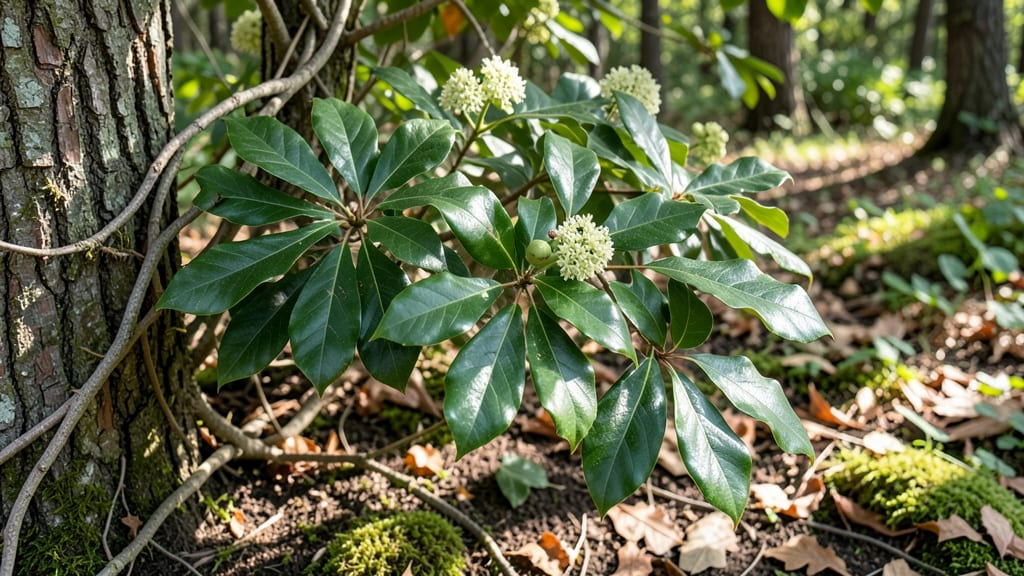
Spotting that 5-leaf poison oak vine creeping through your yard can feel like a nightmare—until you know exactly what to look for and how to handle it safely. 🌿 The classic "leaves of three, let it be" rule doesn't apply here; poison oak's leaves grow in clusters of five to seven, with smooth edges and pointed tips that look alarmingly like Virginia creeper.
One wrong move, and you're dealing with a rash that lasts weeks. The real danger isn't just skin contact—burning poison oak releases toxic oils into the air, causing severe respiratory issues.
I learned that the hard way when a neighbor's fire turned their yard into a smoke hazard for the whole block. Wearing long sleeves, gloves, and goggles isn't just smart; it's your first line of defense against a plant that doesn't play nice.
Removing it manually is possible with the right tools: a sturdy shovel, trash bags, and a 10% vinegar solution for cutting stems. The key is persistence—poison oak roots run deep, and even a tiny piece left behind will regrow. I've seen entire yards overrun because someone skipped this step.
After removal, bleach-wash every tool and bag the debris immediately. This isn't just about clearing your yard—it's about protecting your family, pets, and neighbors. Once you've identified it correctly and removed it thoroughly, keep an eye out for new sprouts. Poison oak doesn't give up easily, but neither should you.
How Your Skin Reacts to Contact
The itchy, blistering rash from Toxicodendron pubescens (commonly known as the five-leaf poison oak vine) isn’t just an annoyance—it’s your immune system’s overreaction to a sneaky chemical called urushiol.
This oily resin is the villain behind the discomfort, and understanding why it triggers a reaction helps you avoid and manage exposure. Let’s break down the science behind the burn.
Urushiol is the primary irritant in poison oak, and it’s found in nearly every part of the plant—leaves, stems, roots, and even the sap. When you touch the vine, crush it, or brush against it, urushiol molecules latch onto your skin. Here’s what happens next:
- First Contact: Urushiol is an oil, so it doesn’t dissolve in water. Even a tiny amount (as little as 0.1 micrograms) can cause a reaction. It binds to proteins in your skin, making it sticky and hard to wash off.
- Immune System Alert: Your body recognizes urushiol as a foreign invader. White blood cells rush to the site, releasing histamine and other inflammatory chemicals to “neutralize” the threat.
- Delayed Reaction: Unlike a bee sting, poison oak symptoms don’t appear immediately. It can take 12 to 48 hours for redness and itching to develop, and up to a week for blisters to form.
Pro Tip: 💡 Urushiol can linger on tools, clothing, or even pets for years. Always wash anything that’s come into contact with the plant with soap and water immediately.
Not everyone who touches poison oak breaks out in hives. Your reaction depends on three key factors:
| Factor | Why It Matters | Actionable Tip |
|---|---|---|
| 🔬 Sensitivity Level | Some people have a stronger immune response to urushiol, leading to severe blistering or swelling. Children and those with eczema are often more affected. | If you’re highly sensitive, wear long sleeves and gloves when hiking in wooded areas. |
| 🌡️ Amount of Exposure | Direct contact with broken stems or sap releases more urushiol than brushing against healthy leaves. Even inhaling smoke from burning poison oak can cause mouth or throat swelling. | 🔥 Never burn poison oak—the smoke contains urushiol and can spread the irritant. |
| 🧴 Skin Condition | Damaged or sweaty skin absorbs urushiol faster. If you have cuts, rashes, or heat rash, your risk of a severe reaction increases. | Apply zinc oxide or calamine lotion as a barrier before outdoor activities in high-risk areas. |
Warning: ✨ Some people develop allergic contact dermatitis over time, meaning even tiny exposures can trigger a reaction. If you’ve had poison oak before, you’re more likely to react worse the next time.
Poison oak’s delayed reaction is one of its most frustrating traits. Here’s why it doesn’t strike immediately:
- Urushiol Needs Time to Penetrate: The oil must sink deep into your skin’s layers (about 10–30 minutes) before your immune system detects it. That’s why washing right after exposure reduces severity.
- Immune System Ramp-Up: Your body takes hours to mobilize white blood cells and histamines. By the time you notice redness, the damage is already underway.
- Blister Formation: The body’s inflammatory response peaks 2–3 days after contact, which is when blisters (filled with fluid) appear as your skin tries to isolate the irritant.
Key Insight: ⏰ The first 20 minutes after exposure are critical. Washing with cold water and soap (like Tecnu or Dial) can remove up to 85% of urushiol before it binds to your skin.
Quick Fixes for Poison Oak Exposure
Dealing with a 5-leaf poison oak vine invasion or accidental contact can be frustrating, but the right steps can minimize discomfort and prevent future problems.
Whether you're dealing with skin irritation, an overgrown vine, or just trying to avoid it altogether, here’s a practical, step-by-step guide to handling the issue effectively.
If you’ve already come into contact with poison oak, act fast to reduce itching and swelling:
- 🔥 Wash the Area Immediately Use cool water and mild soap (like dish soap or Castile soap) to remove the urushiol oil—the toxic compound in poison oak. Scrub gently for at least 10 minutes to ensure thorough removal.
- 🧴 Apply a Soothing Treatment
- Calamine lotion or hydrocortisone cream (1%) can reduce itching and inflammation.
- Oatmeal-based products (like Aveeno) or baking soda paste (mix with water) work well for natural relief.
- 💡 Pro Tip: Avoid scratching! Scratching can worsen irritation and lead to infections.
- 🌡️ Cool Compresses Soak a clean cloth in cool water and apply it to the affected area for 10-15 minutes to ease discomfort.
If the vine is spreading in your yard or garden, do NOT touch it bare-handed. Follow these steps to remove it safely:
- 🛡️ Wear Protective Gear
- Long sleeves, gloves (vinyl or nitrile), and goggles to prevent skin contact.
- 💡 Pro Tip: Spray the vine with rubbing alcohol or vinegar before touching to break down the urushiol oil.
- 🔪 Cut and Bag It Properly
- Use long-handled pruners to cut the vine at the base.
- Double-bag the cuttings in heavy-duty trash bags and dispose of them immediately in an outdoor trash bin (not your regular garbage can).
- 🌱 Prevent Regrowth
- Apply vinegar or commercial herbicide (like glyphosate) to the root area to kill any remaining plants.
- 🎯 Watch for New Sprouts: Check the area weekly for 3-4 months—poison oak can regrow from roots or seeds.
Once you’ve dealt with the immediate issue, take steps to keep poison oak from returning:
- 🌳 Maintain Your Landscape
- Remove leaf litter and debris where poison oak seeds may sprout.
- Keep grass or mulch thick—poison oak struggles to grow in well-maintained areas.
- 🚫 Avoid Brushing Against Plants
- Wear long pants and closed-toe shoes when hiking or working outdoors.
- 💡 Pro Tip: Learn the "Leaves of Three, Let It Be" rule—if a plant has clusters of three leaves, assume it’s poison oak or ivy and stay clear.
- 🧴 Keep Emergency Supplies Handy
- Store rubbing alcohol wipes, calamine lotion, and hydrocortisone cream in your car, hiking gear, or outdoor toolkit.
While most poison oak reactions clear up in 1-3 weeks, seek medical help if you experience:
- Severe swelling or difficulty breathing (signs of a severe allergic reaction).
- Blistering or oozing that doesn’t improve with home treatment.
- Infection symptoms (pus, increased pain, or red streaks).
By following these steps, you can minimize discomfort, safely remove poison oak, and prevent future encounters—so you can enjoy your outdoor spaces without worry!
Frequently asked questions
How can I tell if it's poison oak or Virginia creeper?
Poison oak leaves grow in clusters of 5-7 leaves with smooth, rounded edges, while Virginia creeper has 5-7 leaves with jagged, toothed edges. Also, poison oak leaves often have a slightly hairy texture, while Virginia creeper leaves are smoother. The key difference is the leaf shape and edge!
Is poison oak dangerous to pets?
Yes, pets can react to urushiol just like humans! Dogs and cats may develop itchy skin, swelling, or even mouth irritation if they lick contaminated paws. Watch for excessive scratching or drooling after outdoor time. Wash their paws immediately with mild soap if they come into contact with the plant.
How long does it take for poison oak to grow back after removal?
Poison oak can regrow from roots or seeds within 2-4 weeks if not fully eradicated. Monitor the area closely for new sprouts and treat with vinegar or herbicide. The key is persistence—check weekly for 3-4 months to ensure complete removal.
Can I use household vinegar to kill poison oak?
Yes! A 10% vinegar solution (white or apple cider) works well to kill poison oak. Spray directly on leaves and stems, focusing on the roots. Reapply every 2-3 days for 2 weeks to ensure full eradication. For stubborn cases, combine with dish soap for better coverage.
What should I do if I inhale poison oak smoke?
Inhaling poison oak smoke can cause severe throat swelling or respiratory issues. Get to fresh air immediately and seek medical help if you experience coughing, wheezing, or difficulty breathing. Never burn poison oak—it releases urushiol into the air, creating a dangerous hazard.