
Pests and Diseases
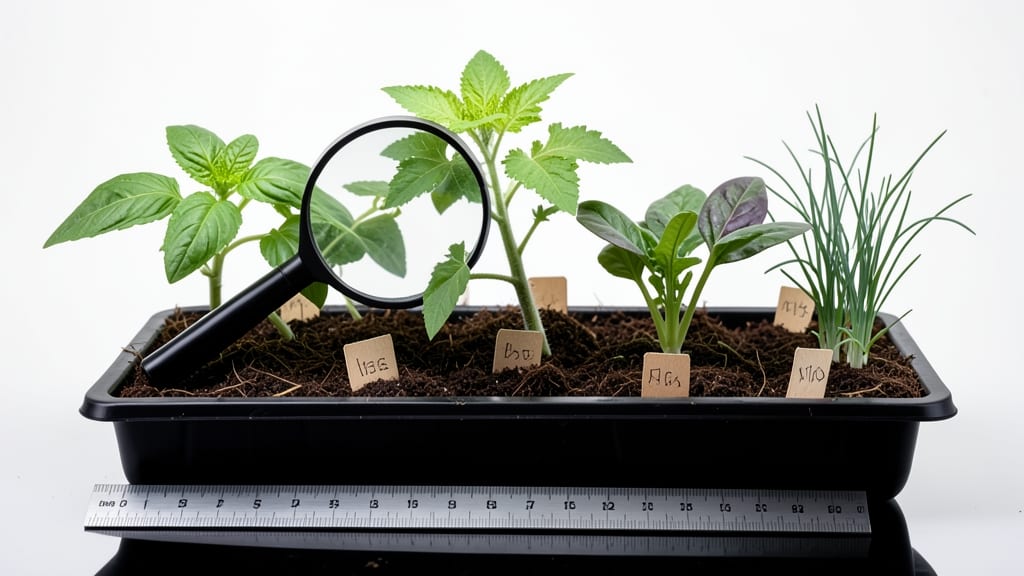
Leaf shape seedling identification saves you from pulling up your tomatoes when you thought they were weeds. 🌱 I’ve spent years mislabeling plants until I learned to read their leaves—those tiny clues tell you everything about what’s growing. A lobed leaf means tomato, serrated edges could be parsley, and smooth ovals often signal basil. The trick is comparing shapes to known examples: maple-like lobes for squash, feathered fronds for ferns, or hairy stems for mint. Most seedling mix-ups happen because we focus on size, not structure. A quick leaf check at the 2-inch stage prevents years of confusion. Once you master this, you’ll spot pests early (like aphids hiding on serrated edges) and adjust spacing before plants crowd. No more guessing—just confident care from day one. Here’s how to tell them apart before they bloom. Start with the basics: count leaflets, check edges, and note the stem. A single stem with jagged teeth is likely parsley, while palmate lobes (like a hand) signal basil. Compare your seedlings to a chart—visuals make the difference between “I think” and “I know.” This skill also helps with troubleshooting. If your seedlings look stunted, their leaves might reveal why: yellowing between veins suggests overwatering, while curled edges often mean pests. Early detection means faster fixes. Works for any seedling tray, from windowsill starts to greenhouse flats. Let’s decode those leaves!
Root Causes of Leaf Shape Variations
Understanding why seedling leaves develop unusual shapes is key to accurate identification—and preventing future issues. Leaf morphology in young plants is influenced by a mix of genetic, environmental, and pathological factors.
Below, we break down the three primary reasons behind these variations, complete with actionable insights to help you diagnose and address them.
Some plants are hardwired to produce distinct leaf shapes at the seedling stage, even if they later develop more recognizable traits. This is especially common in:
- Species with heterophyllous growth (e.g., Lemna duckweed or Rumex sorrel), where juvenile and mature leaves look entirely different.
- Hybrids or cultivars bred for specific traits (e.g., Coleus or Pelargonium), where leaf shape is a deliberate design choice.
- Fast-growing weeds like Chenopodium album (lamb’s quarters), which start with lobed or serrated seedling leaves before transitioning to broader forms.
What to do? 🔍 Compare with mature plants: If the seedling’s leaf shape doesn’t match adult specimens in your reference guide, it may simply be a juvenile trait. 📖 Cross-check databases: Use resources like the [USDA PLANTS Database](https://plants.usda.gov/) or Flora of North America to verify if the species is known for heterophyllous stages.
Seedlings are particularly vulnerable to environmental factors that distort leaf development. These include:
| Factor | Effect on Leaf Shape | Actionable Fix |
|---|---|---|
| Temperature extremes (too hot/cold) | Stunted, curled, or asymmetrical leaves (e.g., tomato seedlings in a cold frame). | Use seedling heat mats (70–80°F) or shade cloth for high temps. |
| Light deprivation (etiolation) | Elongated, pale, or misshapen leaves (common in crowded trays). | Thin seedlings to 2–3 inches apart; supplement with grow lights (12–16 hrs/day). |
| Nutrient imbalances (e.g., excess nitrogen) | Dark green, thickened, or jagged edges (e.g., pepper seedlings). | Test soil pH (ideal: 6.0–7.0) and use balanced fertilizer (e.g., 10-10-10). |
| Wind or physical damage | Torn, irregular edges (e.g., brassicas in exposed areas). | Use windbreaks or transplant carefully to avoid abrasions. |
Pro Tip: 💡 If seedlings are uniformly distorted, environmental stress is the likely culprit. Isolate the variable (e.g., move to a warmer spot) and observe changes within 3–5 days.
Diseases and insects can mimic or exacerbate "normal" leaf shape variations, making identification tricky. Watch for these red flags:
- Fungal infections (e.g., Alternaria or Botrytis):
- Symptoms: Yellowing, necrotic spots, or twisted leaves with a velvety growth (mold).
- Target plants: Lettuce, cucumbers, or impatiens seedlings.
- Fix: Remove infected seedlings; apply copper fungicide or neem oil.
- Viral infections (e.g., Tobacco Mosaic Virus):
- Symptoms: Mosaic patterns, stunting, or cupped leaves (common in tomatoes or peppers).
- Fix: Sterilize tools; avoid handling infected plants (viruses spread via sap).
- Insect feeding (e.g., aphids, thrips, or leaf miners):
- Symptoms: Holes, silver streaks, or distorted growth (e.g., thrips cause "bud blast" in petunias).
- Fix: Spray with insecticidal soap or introduce beneficial insects (e.g., ladybugs).
Warning Sign: ✨ If leaves show unusual textures (sticky residue, webbing, or frass—bug droppings)—pests are likely. Isolate the seedling and inspect the undersides of leaves with a magnifying glass.
Key Takeaway: Leaf shape in seedlings is rarely random. By ruling out genetics, environment, and pathogens, you’ll narrow down the possibilities—and avoid misidentifying healthy (but quirky) plants as diseased. For persistent mysteries, consult a local extension office or submit photos to forums like [r/whatsthisplant](https://www.reddit.com/r/whatsthisplant/).
Fixing Leaf Shape Issues in Seedlings
Identifying seedlings by leaf shape is a valuable skill, but sometimes those leaves don’t look right—whether due to pests, diseases, or environmental stress. Here’s how to diagnose and solve common problems, along with prevention tips to keep your seedlings thriving.
If your seedlings have jagged edges, tiny holes, or webbing, pests are likely the culprit. Common offenders include aphids, spider mites, and caterpillars.
How to Fix It
🔥 Inspect & Isolate – Check undersides of leaves and stems for pests. Remove heavily infested seedlings to prevent spread.
🍳 Spray Natural Repellents – Mix neem oil (1 tsp per quart of water + a drop of dish soap) and spray on leaves. Repeat every 5–7 days.
👨🍳 Introduce Beneficial Insects – Ladybugs and lacewings eat aphids naturally. Release them in the evening when pests are most active.
🥘 Use Physical Barriers – Cover seedlings with fine mesh netting to block adult pests from laying eggs.
💡 Pro Tip: If using chemical pesticides, opt for pyrethrin-based sprays (organic) and apply in the early morning for best results.
Overwatering, underwatering, or extreme temperatures can distort leaf shapes—think curled, yellow, or small leaves.
How to Fix It
💧 Adjust Watering Habits – Most seedlings prefer moist (not soggy) soil. Stick your finger 1 inch deep—if dry, water; if muddy, hold off.
🌡️ Control Temperature Swings – Keep seedlings in 60–75°F (15–24°C) conditions. Use a seedling heat mat if nights are too cold.
🌱 Improve Air Circulation – Place a small fan on low near seedlings to prevent fungal issues and encourage stronger stems.
✨ Pro Tip: If leaves are yellowing, flush soil with water to remove excess salts (common in tap water).
Dark spots, powdery mildew, or mushy stems signal fungal/bacterial infections, often from poor airflow or wet foliage.
How to Fix It
🧼 Prune Infected Leaves – Snip off yellow/brown leaves with sterilized scissors to stop spread.
🍄 Apply Fungicide – Use copper-based spray or baking soda mix (1 tsp baking soda + 1 quart water + a drop of soap) every 10 days.
🌿 Sterilize Tools & Soil – Disinfect pruners with rubbing alcohol, and repot in fresh, sterile soil if needed.
🎯 Prevent Future Outbreaks – Avoid overhead watering; water at the base instead.
Poor soil quality or imbalances can lead to weak, oddly shaped leaves (e.g., purple stems = phosphorus deficiency).
How to Fix It
📊 Test Soil pH – Use a home pH kit (ideal range: 6.0–7.0 for most seedlings). Adjust with lime (to raise pH) or sulfur (to lower pH).
💪 Fertilize Correctly – Use a balanced liquid fertilizer (10-10-10) diluted to half-strength. Over-fertilizing burns roots!
🥗 Boost Organic Matter – Mix in compost or worm castings for slow-release nutrients.
✅ Start with clean seeds – Disinfect seeds in 1% hydrogen peroxide for 5 minutes before planting. ✅ Use well-draining soil – Avoid compacted or waterlogged mixes. ✅ Monitor daily – Check for pests/diseases every 2–3 days during germination. ✅ Hardening off gradually – Acclimate seedlings to outdoor conditions over 7–10 days before transplanting.
By addressing issues early and maintaining optimal growing conditions, your seedlings will develop strong, identifiable leaf shapes—making future plant ID a breeze! 🌿🔍
Frequently asked questions
What are the most common leaf shapes I should recognize in seedlings?
Start with these key shapes: lobed (tomato), serrated (parsley), smooth oval (basil), feathered (fennel), and hairy (mint). Each shape corresponds to specific plant families—lobed leaves often signal nightshades, while serrated edges appear in parsley or dill. Compare your seedlings to a reference chart when they're 2-3 inches tall for best accuracy.
How do I tell the difference between a tomato seedling and a pepper seedling?
Tomato seedlings have deeply lobed leaves (like a maple leaf) and a slightly hairy stem, while pepper seedlings show smooth, oval leaves with a more pronounced central vein. Another clue: tomato seedlings often develop small white hairs on the stems, whereas peppers stay nearly hairless. Check the leaf edges—tomato leaves have more jagged lobes.
What should I do if my seedlings' leaves look distorted?
First, check for environmental stress—cold drafts or uneven watering cause curled or yellowing leaves. If the problem persists, inspect for pests (like aphids) on leaf undersides or fungal spots. Try adjusting to 60-75°F temps and moist (not soggy) soil. If issues continue, compare your seedlings to known healthy examples from a reliable plant database.
Can I use a magnifying glass to identify seedlings more accurately?
A 10x magnifier helps spot fine details like leaf venation patterns or tiny hairs that distinguish similar plants. Focus on the leaf edges—some seedlings (like chives) have parallel veins while others (like basil) show a more net-like pattern. This level of detail prevents common mix-ups between herbs or nightshades.
What's the best time of day to examine seedlings for identification?
Morning is ideal because leaves are fully hydrated and free of dew, making details clearer. Avoid midday when heat can cause temporary wilting or leaf curling. If you must check later, wait until 2-3 hours before sunset when leaves have had time to recover from any afternoon stress.