
Plants
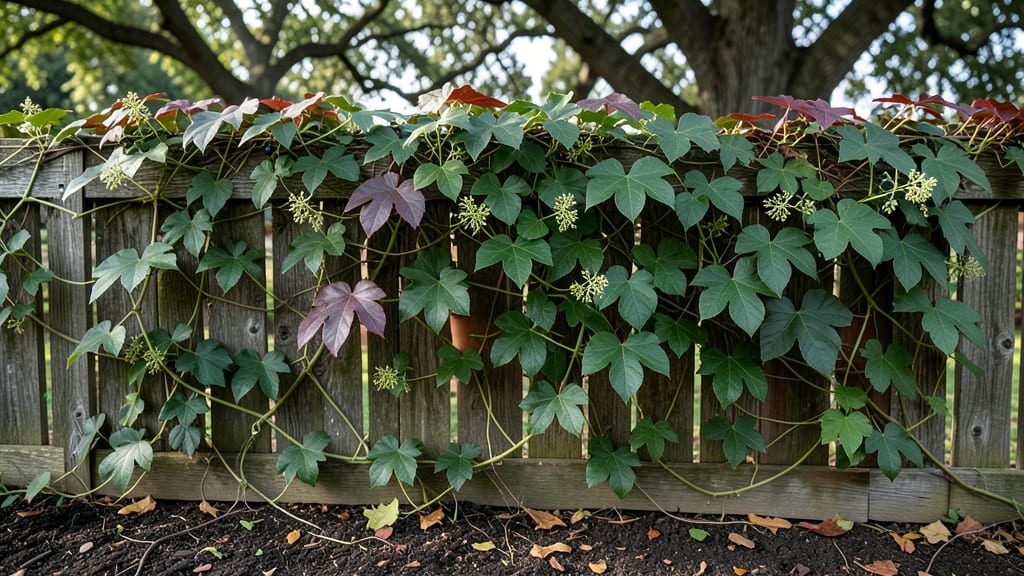
Ohio gardeners finally have a five-leaf vine that thrives through winters without fuss. 🌿 This native climber—Virginia creeper—turns blank walls and fences into lush, seasonal tapestries with minimal effort, and its fall colors rival anything you’d buy at a nursery.
Plant it in spring or fall when soil temps hit 50°F, and watch it spread quickly in Ohio’s moist, well-drained soils. It handles shade, drought, and even urban pollution better than most vines, making it the ultimate low-maintenance choice for fences, trellises, or ground cover.
By late summer, you’ll spot those iconic five-leaf clusters, turning brilliant red in autumn. Birds and butterflies adore its berries, and deer leave it alone—unlike many ornamentals. The only real work? A light prune in early spring to shape it before new growth begins.
Ohio’s climate can’t stop this plant. From Zone 3 to 9, it’s the vine that just keeps giving—zero fuss, maximum impact.
Understanding Vine Stress Factors
If your Pentalala pentandra—commonly known as the five-leaf vine—is struggling in Ohio’s climate, it’s likely due to a mix of environmental and cultural factors. This resilient plant thrives in the right conditions, but when those conditions shift, it sends visible distress signals.
Let’s break down the most common reasons why your five-leaf vine might be underperforming, so you can address the root cause with confidence.
The five-leaf vine is cold-hardy, but Ohio’s unpredictable winters—especially early or late frosts—can still stress it. Here’s why:
- Cold Shock: While it tolerates USDA Zones 6-10, sudden dips below 15°F (-9°C) can damage tender new growth. Ohio’s polar vortex events or late-spring freezes can catch it off guard.
- Winter Desiccation: Dry winter winds (common in Ohio’s flat regions) dry out leaves faster than the vine can replace moisture, leading to crispy edges or browning.
- Thaw-Freeze Cycles: Alternating warm and cold spells confuse the vine’s dormancy cycle, causing bud rot or stunted regrowth in spring.
Actionable Fix:
- Mulch heavily (3–4 inches of shredded bark or leaves) in late fall to insulate roots.
- Use frost cloth or row covers for young plants during sub-20°F (-7°C) events.
- Avoid pruning in late fall—wait until late winter to reduce stress.
Ohio’s humid summers and clay-heavy soils create a Goldilocks problem for watering. Five-leaf vines hate soggy roots but also despise drought stress.
- Overwatering Risks:
- Clay soil in Ohio retains water, suffocating roots and inviting root rot (caused by Phytophthora fungi).
- Yellowing leaves with brown veins? Classic overwatering.
- Underwatering Risks:
- Drooping leaves that don’t bounce back when watered signal thirst.
- Ohio’s heat waves (especially in July/August) dry soil top-down, leaving roots parched.
Actionable Fix:
- Test soil moisture: Stick your finger 2 inches deep—if dry, water deeply. If muddy, wait.
- Amend clay soil with compost or perlite to improve drainage.
- Water at soil level (not overhead) to reduce fungal diseases.
The five-leaf vine loves bright, indirect light but can scorch in Ohio’s intense midday sun or stretch pitifully in shade.
- Too Much Sun:
- Leaves develop bleached or crispy patches (sunburn) in full Ohio summer sun.
- Common in south-facing walls or exposed patios.
- Too Little Light:
- Leggy growth with small, pale leaves means it’s reaching for light.
- Shady spots (like under large oak trees) starve the vine of energy.
Actionable Fix:
- Provide morning sun + afternoon shade (ideal for Ohio’s climate).
- Use sheer curtains or lattice screens to diffuse harsh afternoon rays.
- Rotate the pot quarter-turn weekly for even growth.
Ohio’s soil is often alkaline and nutrient-poor, which five-leaf vines (native to tropical Asia) find exhausting. Here’s how to spot the signs:
- Nitrogen Deficiency:
- Yellowing older leaves (not just tips) signal low nitrogen.
- Common in sandy or heavily amended soils that leach nutrients.
- Iron Chlorosis:
- Yellow leaves with green veins in alkaline soil (pH > 7.0).
- Ohio’s limestone-heavy soils lock out iron, even if it’s present.
- Over-Fertilization:
- Brown leaf tips or edges (from salt buildup) or stunted growth.
- Too much synthetic fertilizer in spring can burn roots.
Actionable Fix:
- Test soil pH—aim for 6.0–6.5. Amend with sulfur or peat moss if needed.
- Use chelated iron supplements (like Iron Chelate) for chlorosis.
- Feed with balanced, organic fertilizer (e.g., 10-10-10) in early spring only.
Ohio’s mild winters and humid summers create a buffet for pests and pathogens targeting five-leaf vines. Watch for these red flags:
- Spider Mites:
- Tiny yellow specks on leaves (actually mite droppings) and webbing on undersides.
- Thrive in dry, hot Ohio summers.
- Scale Insects:
- Sticky honeydew on leaves (ants love it!) and brown bumps on stems.
- Weakens the vine by sucking sap.
- Fungal Leaf Spot:
- Dark spots with yellow halos (from Cercospora fungi).
- Spreads in wet, humid Ohio springs.
Actionable Fix:
- Spray leaves with neem oil (for mites/scale) or copper fungicide (for leaf spot).
- Encourage beneficial insects (ladybugs, lacewings) by planting dill or marigolds nearby.
- Prune infected leaves immediately and dispose of them in the trash (not compost).
Practical fixes for 5-Leaf vine growing woes
If your Parthenocissus quinquefolia (commonly known as the five-leaf vine) isn’t thriving in Ohio’s climate, don’t fret—most issues have simple, effective fixes. Whether it’s struggling with pests, poor growth, or winter damage, these solutions will help you restore your vine’s lush, vibrant appearance.
Below, we’ve mapped common problems to their fixes, along with prevention tips to keep your plant healthy year-round.
If your five-leaf vine is growing slower than expected, it’s often due to insufficient sunlight, poor soil, or root constraints.
🔥 Improve Sunlight Exposure
- Problem: Ohio’s partial shade can limit growth, but too much shade slows it down.
- Fix:
- Plant in a location that gets at least 4-6 hours of sunlight daily (morning sun is ideal).
- If your vine is in deep shade, consider pruning nearby trees or relocating it to a sunnier spot.
- Use reflective surfaces (like white walls or mirrors) to bounce extra light onto the plant.
🍳 Boost Soil Quality
- Problem: Compacted, nutrient-poor, or overly wet soil stifles root development.
- Fix:
- Amend the soil with compost or well-rotted manure before planting.
- Ensure proper drainage—five-leaf vines hate soggy roots. Mix in sand or perlite if your soil is clay-heavy.
- Test soil pH (ideal range: 6.0–7.0). If too acidic, add lime; if too alkaline, use sulfur.
👨🍳 Provide Proper Support
- Problem: Without a trellis or wall, vines sprawl and compete for resources.
- Fix:
- Install a strong trellis, arbor, or fence within 3–6 feet of the plant to encourage upward growth.
- Train young vines with soft ties (avoid wire, which can damage stems).
Ohio’s harsh winters can leave five-leaf vines looking ragged, but they’re resilient with the right care.
🌡️ Protect Young or New Plants
- Problem: Newly planted vines may not have established enough roots to survive freezing temps.
- Fix:
- Mulch heavily (3–4 inches of straw or shredded leaves) around the base in late fall.
- Wrap the stem with burlap or frost cloth for extra insulation.
- Avoid pruning in late fall—wait until early spring to assess damage.
✂️ Prune Dead or Damaged Foliage
- Problem: Frozen leaves can harbor pests or diseases.
- Fix:
- In early spring, remove any blackened, mushy, or brittle stems.
- Use clean, sharp pruners and make cuts just above a healthy bud.
- Do not prune in fall—this can stimulate new growth that won’t harden off before winter.
Common Ohio pests like spider mites, scale, or fungal issues can stress your vine, but early action keeps them in check.
🔥 Tackling Spider Mites & Scale
- Problem: These sap-sucking pests cause yellowing leaves and sticky residue.
- Fix:
- Blast them off with a strong spray of water (early morning works best).
- Use neem oil (mix 1 tbsp per quart of water) and spray every 5–7 days until gone.
- Introduce beneficial insects like ladybugs or lacewings for natural control.
🌡️ Preventing Fungal Issues (Powdery Mildew, Leaf Spot)
- Problem: Humid Ohio summers create perfect conditions for fungi.
- Fix:
- Improve airflow by pruning dense foliage and spacing plants 3–5 feet apart.
- Apply copper fungicide or baking soda spray (1 tsp baking soda + 1 quart water + a drop of dish soap) weekly during wet periods.
- Water at the base (avoid wetting leaves) and water early in the day so foliage dries quickly.
Keep your five-leaf vine thriving with these easy maintenance habits:
- 🌱 Fertilize lightly in early spring with a balanced, slow-release fertilizer (10-10-10).
- 💧 Water deeply but infrequently—once a week is usually enough unless it’s extremely dry.
- ✂️ Prune annually in late winter/early spring to shape the vine and remove dead wood.
- 🌿 Monitor for pests regularly—catching issues early makes treatment easier.
- 🌡️ Protect from late frosts in spring by covering tender new growth with frost cloth if needed.
With these fixes, your five-leaf vine will bounce back stronger, offering year-round greenery and low-maintenance beauty for your Ohio landscape. Happy gardening! 🌿✨
Frequently asked questions
1Is Virginia creeper toxic to pets or children?
The five-leaf clusters of Virginia creeper are mildly toxic if ingested in large quantities, causing stomach upset in pets or children. While not deadly, the berries can be an irritant. Keep pets away from chewing vines, and supervise young children near plants. The sap itself is non-toxic, so accidental skin contact poses no risk.
2Can I grow Virginia creeper in containers for a patio?
Virginia creeper thrives in large containers (15+ gallons) with well-draining soil. Use a mix of potting soil and perlite, and place the pot where it gets morning sun and afternoon shade. Water when the top 2 inches of soil dry out, and fertilize lightly in spring. Just be prepared for rapid growth—prune regularly to control size.
3How fast does Virginia creeper spread in Ohio?
This vine grows aggressively—expect 10–20 feet per year under ideal conditions! In Ohio’s climate, it spreads faster in moist, fertile soil with partial shade. To control its growth, prune back 1/3 of the vine annually in early spring or train it onto a trellis. Without management, it can quickly cover fences or walls.
4Does Virginia creeper attract wildlife?
Yes! The berries are a wildlife magnet, especially for birds like robins, thrushes, and cardinals. Deer and rabbits typically avoid it, making it a great low-maintenance option for wildlife gardens. The dense foliage also provides shelter for insects and small creatures, supporting Ohio’s ecosystem.
5Can I plant Virginia creeper near my foundation?
While it’s a great choice for foundations, be cautious—its roots can spread aggressively. Plant at least 3–4 feet away from your home’s base to avoid potential damage to pipes or foundations. If you want it closer, use a root barrier or container to control its spread while still enjoying its beauty.