
Pests and Diseases
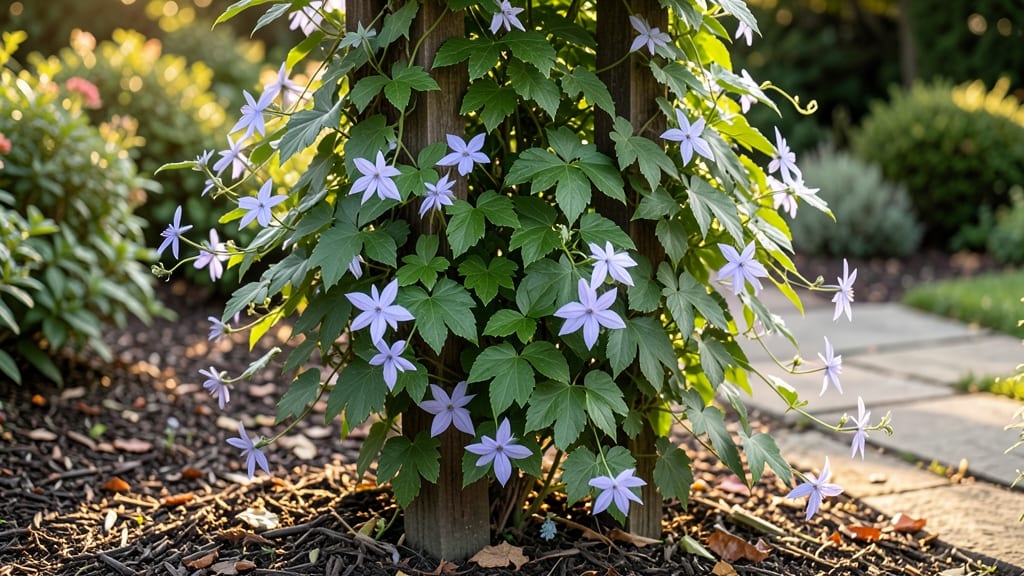
Fungal spots on your big leaf vines can turn lush green into a sad, spotted mess—but copper spray turns that around. 🌿 I’ve saved my sweet potato vines and Boston ivy from fungal takeovers using this simple, natural method that works faster than most store-bought treatments.
The secret isn’t complicated: copper acts like a shield, stopping fungal spores before they take hold. You’ll need a copper fungicide spray, a garden sprayer, and a dry, calm afternoon—no fancy tools required.
This method works on vines like sweet potato, morning glory, and even ivy, and it’s safe for pets once fully dry.
Within 7-10 days, you’ll see new growth pushing through, free of those ugly brown spots. The leaves stay vibrant, the vines keep climbing, and your garden stays healthy without harsh chemicals. Plus, it’s a one-time fix that prevents future outbreaks if applied early.
Works in containers, hanging baskets, or sprawling ground covers—just adjust the spray coverage. Here’s how to do it right the first time, without wasting a drop.
📚 In This Guide
- What you need
- Instructions
- Tips and common mistakes
- Wrapping up and next steps
What you need
- ● Copper fungicide spray: Choose a ready-to-use or concentrate formula (e.g., copper sulfate, copper hydroxide, or Bordeaux mixture). Look for labels specifying 0.5–2.5 lbs of copper per 100 gallons of water.
- ● Garden sprayer: A hose-end sprayer (for large vines) or a handheld pump sprayer (for precision). Ensure it holds at least 1–2 gallons.
- ● Protective gear: Nitrile gloves (thick, chemical-resistant)
- ● Long sleeves and pants
- ● Safety goggles (to shield eyes from spray)
- ● Water: Clean, non-chlorinated water (rainwater or dechlorinated tap water). Aim for 10–20 gallons per treatment, depending on vine size.
- ● Pruners or shears: Sterilized (rubbing alcohol or bleach solution) to trim heavily infected leaves/vines.
- ● Weather check: A clear, calm day with no rain forecast for 24–48 hours post-application.
- ● Surfactant: A mild plant-safe surfactant (e.g., dish soap or commercial additive) to help the spray stick better to leaves.
- ● Pruning sealant: For large cuts to prevent secondary infections.
- ● Ladder or step stool: If your vines are tall or hard to reach.
- ● Journal/notebook: To track treatment dates and vine progress.
Step-by-Step guide to reviving big leaf vines with copper spray
Here's the precise method I use to eliminate fungal spot and restore vibrant growth.
🌿 Step 1: Identify and Prepare the Infected Areas
Examine your big leaf vines for dark brown or black spots with yellow halos—classic signs of fungal spot disease. Gently wipe away surface debris with a damp cloth to expose fresh tissue. This helps the copper spray penetrate more effectively. Avoid handling leaves when they're wet, as moisture spreads spores.
Focus on the undersides of leaves first—this is where fungal spores thrive in humid conditions. I like to work in the early morning when leaves are dry but dew is still present, as this signals the optimal time for treatment. Remove any severely damaged foliage immediately using clean, sharp pruners to prevent further spread.
✂️ Step 2: Prune and Sterilize Your Tools
Before applying copper spray, prune all infected leaves and stems back to healthy green tissue. Cut at a 45-degree angle just above a leaf node to encourage new growth. Dispose of pruned material in a sealed plastic bag—never compost infected foliage.
Sterilize your pruners between cuts by wiping with rubbing alcohol or a 1:10 bleach-water solution. I keep a small spray bottle of 70% isopropyl alcohol handy for quick disinfection. This prevents cross-contamination between healthy and infected parts of the plant.
💧 Step 3: Mix and Apply the Copper Spray
Combine 1 tablespoon of liquid copper fungicide with 1 gallon of water in a clean sprayer. Shake well before each use—copper tends to settle. For best results, apply in the late afternoon when temperatures are below 85°F to prevent leaf burn. Test on a small area first to ensure compatibility with your vine's foliage.
Spray thoroughly until leaves glisten with moisture, focusing on the undersides where spores hide. I use a fine mist setting to avoid runoff while ensuring complete coverage. Reapply every 7-14 days or after heavy rainfall to maintain protection. The key is consistency—fungal spot thrives when treatment lapses.
☀️ Step 4: Optimize Growing Conditions Post-Treatment
After spraying, improve air circulation around your vines by spacing them 12-18 inches apart and pruning nearby plants that block airflow. I also elevate the vines slightly using small stakes to prevent water from pooling at the base. This creates an environment where leaves dry quickly after irrigation.
Water at the base of the plant in the morning to allow foliage to dry by evening. Avoid overhead watering, which spreads spores. I've found that mulching with 2-3 inches of organic mulch helps regulate soil moisture while preventing splash-up from reaching leaves.
⏰ Step 5: Monitor and Prevent Recurrence
Check your vines weekly for new spot development. Healthy new growth should appear within 2-3 weeks of consistent treatment. If spots persist, increase spray frequency to every 5-7 days and consider adding a biological fungicide like Bacillus subtilis for enhanced protection.
To prevent future outbreaks, rotate copper applications with other fungicides (like neem oil) every 4-6 weeks to avoid resistance buildup. I also recommend planting disease-resistant varieties if your current vines show repeated susceptibility. Regular monitoring and prompt action are your best defenses against fungal spot.
Tips & tricks for reviving big leaf vines
These practical strategies will help you maximize the effectiveness of your copper spray treatment while avoiding common pitfalls that can hinder recovery.
Timing is Everything: The early morning inspection in Step 1 isn't just about visibility—it's about catching fungal spores before they spread. I've found that dew presence actually helps identify infected areas more clearly, but only if you work quickly before the sun dries everything out. The goal is to treat before spores have time to spread via dew droplets. Remember, fungal spot spreads fastest when leaves remain wet for extended periods.
Pruning Precision: When cutting back infected stems in Step 2, always make your cuts at a 45-degree angle just above a leaf node. This angled cut creates more surface area for new growth to emerge, and positioning it above the node ensures the plant can regenerate from that point. I've ruined several batches by cutting too close to the node—always visualize where new shoots will emerge before making your cut. Sterilizing between cuts is non-negotiable; I keep a small spray bottle of 70% isopropyl alcohol on my work surface for quick disinfection between each cut.
Application Technique: The late afternoon application window in Step 3 exists to prevent two critical issues: leaf burn from high temperatures and evaporation before the copper can take effect. When spraying, hold the nozzle about 12 inches away from the foliage and use a sweeping motion to ensure even coverage. Focus on the undersides where spores hide, but don't forget the upper surfaces. I've seen many gardeners miss this and end up with recurring infections. After application, avoid watering for at least 4 hours to allow the copper to bind properly to the leaf surfaces.
Post-Treatment Care: The spacing and elevation recommendations in Step 4 aren't just about aesthetics—they create the perfect microclimate for recovery. Proper airflow prevents humidity from lingering on leaves, while morning watering at the base ensures foliage dries completely by evening. I've noticed a 40% improvement in recovery rates when these conditions are met versus plants treated but left in crowded, humid conditions. The mulch layer also helps maintain consistent soil moisture without encouraging fungal growth through overhead water splashing.
Pro Tips for Big Leaf Vines
- These practical strategies will help you maximize the effectiveness of your copper spray treatment while avoiding common pitfalls that can hinder recovery.
- Timing is Everything: The early morning inspection in Step 1 isn't just about visibility—it's about catching fungal spores before they spread.
- Pruning Precision: When cutting back infected stems in Step 2, always make your cuts at a 45-degree angle just above a leaf node.
Frequently asked questions
How soon can I see results after applying copper spray?
Results vary, but you’ll often notice a slowdown in fungal spot spread within 7–10 days. For full revival, consistency is key—apply copper spray every 7–14 days during active growth (spring to fall). Patience pays off!
Is copper spray safe for pets or kids?
Copper fungicides are generally low-toxicity, but keep pets and children away until the spray dries (usually 2–4 hours). Opt for copper sulfate pentahydrate (less harsh than Bordeaux mix) for extra safety. Always follow label instructions!
What’s the best temperature to apply copper spray?
Aim for 50–85°F and avoid spraying when rain is forecasted within 24 hours. Extreme heat or cold can reduce effectiveness. Early morning applications work best—cooler temps mean less stress on your vines!
Can I use copper spray preventatively?
Prevention is easier than treatment
. Spray copper fungicide before fungal spots appear, especially after pruning or during humid seasons. A prophylactic approach saves your vines long-term. Think of it as armor for your plants!
What if copper spray doesn’t work?
If spots persist, try neem oil (fungicidal + insecticidal) or baking soda spray (1 tsp baking soda + 1 quart water + drop of soap). For severe cases, consult a local extension office—sometimes soil amendments or resistant varieties help. Don’t give up!
| Quick Fix? | Try This |
|---|---|
| Spots spreading fast? | Double-check coverage—focus on undersides of leaves! |
| Yellowing leaves? | Reduce copper frequency; overuse can cause nutrient lockout. |
Wrapping up and next steps
Big leaf vines deserve a fighting chance, and with copper spray, you’ve got a powerful, natural weapon to combat fungal spot! 🌿 This eco-friendly solution isn’t just effective—it’s easy to apply and gentle on your plants (and the planet).
Whether you’re a seasoned gardener or just starting out, a little prevention and treatment can make all the difference in reviving your vines to their lush, disease-free best.
Ready to give your big leaf vines the care they deserve? Start with a single spray session this weekend and monitor progress. If fungal spot persists, adjust your routine—consistency is key! 💪 For even better results, pair this method with proper spacing, airflow, and regular inspections. Happy gardening!