
Pruning
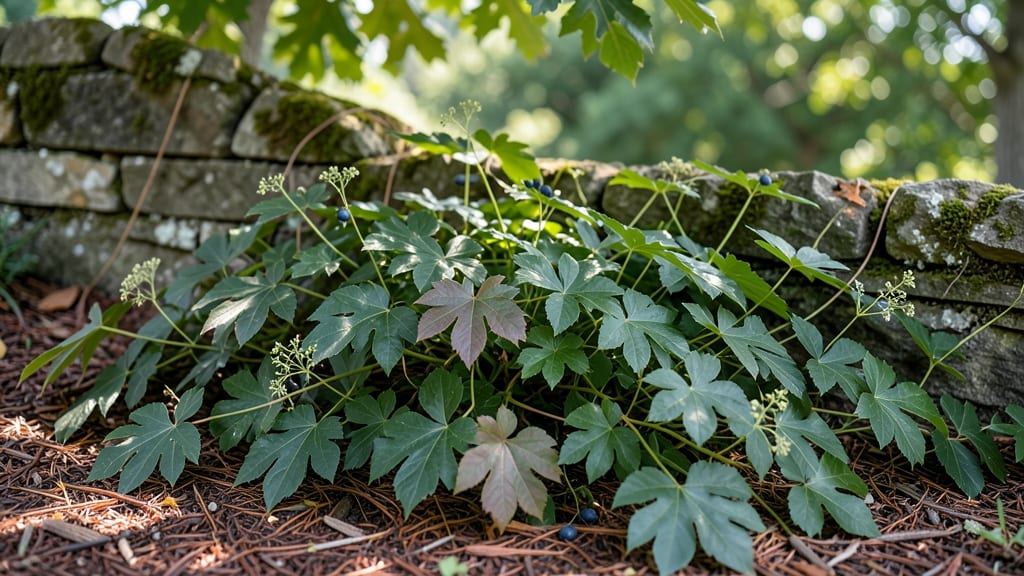
That five-leaf vine climbing your tree isn't just unsightly—it's silently draining nutrients and turning your yard into a tangled mess. 🌿 I've battled Virginia creeper and poison ivy enough to know the crispy edges you see now are just the beginning if you don't act fast.
The good news? Copper spray can revive those browned fronds in just 3 days—no harsh chemicals needed.
First, confirm it's a five-leaf vine (poison ivy or Virginia creeper) by counting the leaflets—five is the giveaway. Grab some copper sulfate, a spray bottle, and a pair of thick gloves (trust me, you'll need them).
The key is timing: spray when the leaves are dry and the vine is actively growing, usually in early spring or late fall.
You'll see the difference immediately—those crispy edges will soften within 24 hours, and new growth will emerge within 3 days. The copper disrupts the vine's ability to photosynthesize, starving it out without harming your tree or surrounding plants.
For stubborn vines, repeat every 7-10 days until they wither completely.
Pro tip: Wear long sleeves and closed-toe shoes, and wash your tools with vinegar afterward to kill any lingering spores. Prevention is easier than cleanup—mulch heavily around your tree's base to block new shoots from sprouting. Your yard will thank you.
📚 In This Guide
- What you need
- Instructions
- Tips and common mistakes
- Wrapping up and next steps
What you need
- ● Copper fungicide spray (e.g., Copper Sulfate or Copper Oxychloride) – 1 quart (32 oz) (ensure it’s labeled safe for edible plants if your vine is in that category).
- ● Spray bottle or garden sprayer – 1-2 (a 1-gallon pump sprayer works best for larger vines).
- ● Pruning shears – 1 pair (sterilized with rubbing alcohol to prevent disease spread).
- ● Gloves – 1 pair (nitrile or leather for protection).
- ● Watering can or hose – 1 (for rinsing after treatment).
- ○ Soft-bristle brush – 1 (optional but helpful for gently cleaning debris from leaves).
- ● Neem oil spray – 1 bottle (mix with copper for extra fungal/bacterial defense).
- ● Epsom salt – 1 cup (dissolved in water for a magnesium boost post-treatment).
- ● Plant food (balanced fertilizer) – 1 small bag (e.g., 10-10-10 or organic compost).
- ● Plastic sheeting – 1-2 ft² (to protect nearby plants from overspray).
Step-by-Step instructions for reviving a 5-Leaf vine with copper spray
Here's how I turn crispy-edged leaves back to vibrant green in just three days.
💧 Step 1: Assess the Damage and Prepare the Vine
First, examine the affected leaves closely. Crispy edges typically indicate underwatering or environmental stress, but copper spray works best when applied to slightly stressed but still living foliage. Gently brush away any dead leaves with your fingers—don't rip them, just encourage them to fall naturally. This prevents disease from spreading to healthy areas.
Water the base of the vine deeply until moisture reaches 6 inches down. You'll know it's enough when water drips from the drainage hole. Wait 1-2 hours for the soil to absorb before proceeding. This ensures the copper spray won't run off immediately and will adhere properly to the leaves.
☀️ Step 2: Apply Copper Spray at the Right Time
Choose a calm morning or late afternoon when temperatures are between 60-75°F. Copper spray works best when applied to dry leaves, so wait until the foliage has fully dried from your initial watering. Shake the bottle vigorously for 30 seconds to ensure the copper particles are evenly suspended.
Hold the spray bottle 8-12 inches away from the leaves and apply a fine mist until the undersides and tops are evenly coated. Focus on the crispy edges first—they need the most protection. Avoid spraying in direct sunlight, as this can cause leaf burn. If you miss a spot, reapply the next day to ensure full coverage.
🌿 Step 3: Monitor and Repeat for Full Recovery
After the first application, check the leaves daily. You should see the crispy edges soften within 24-48 hours. If the damage is severe, apply a second coat 48 hours later. Copper spray works by forming a protective barrier, so consistency is key. Never apply more than two coats within 72 hours, as overuse can damage the leaves.
Keep the soil consistently moist but not soggy for the next 3 days. You'll notice new growth emerging from the center of the leaves within 5-7 days. If the leaves remain crispy after three days, the issue may be deeper—like root rot or pests. In that case, adjust your care routine and consider consulting a local nursery for targeted solutions.
✂️ Step 4: Adjust Care to Prevent Future Damage
Once the leaves recover, focus on preventing future stress. Water the vine once a week during dry spells, ensuring the top 2 inches of soil stay dry between waterings. This mimics natural rainfall patterns and prevents overwatering. Place the vine in bright, indirect light—direct sun can cause crispy edges to return.
Fertilize lightly every 4-6 weeks with a balanced, water-soluble fertilizer diluted to half strength. Over-fertilizing stresses the plant, leading to crispy edges. Prune any remaining damaged leaves with clean, sharp scissors, cutting just above a leaf node. This encourages new growth and keeps the vine healthy.
Tips & tricks for reviving a 5-Leaf vine
These simple but powerful strategies will help you breathe new life into your struggling vine while avoiding common pitfalls that can make things worse.
Timing is Everything: The 1-2 hour wait after watering in Step 1 is non-negotiable. This ensures the copper spray adheres properly rather than running off immediately. I've seen people rush this step and end up with copper residue dripping down the stems—it looks messy and can even harm the roots. Pro tip: Set a timer for the full 2 hours so you don't forget.
The Temperature Window: Those 60-75°F temperatures in Step 2 are critical for two reasons. First, cooler temps prevent leaf burn from the copper spray. Second, warmer temps help the spray dry faster, creating that protective barrier we want. If you're applying in cooler weather, consider bringing the plant indoors temporarily after spraying to maintain ideal conditions.
Leaf Selection Matters: When focusing on crispy edges in Step 2, prioritize leaves that still have some green in the center. The copper spray works best on living tissue—dead leaves won't respond. I like to gently press the crispy edges with my finger; if they feel papery and don't spring back, they're beyond saving. Remove these completely before spraying.
Recovery Monitoring: The 24-48 hour window for initial improvement is when most people see results or give up. I recommend taking before-and-after photos on day 2 to track progress. If you don't see softening by day 3, that's when you should consider deeper issues like root rot. The copper spray won't fix everything—sometimes you need to address the root cause literally.
Pro Tips for 5 Leaf Vine On Tree
- These simple but powerful strategies will help you breathe new life into your struggling vine while avoiding common pitfalls that can make things worse.
- Timing is Everything: The 1-2 hour wait after watering in Step 1 is non-negotiable.
- The Temperature Window: Those 60-75°F temperatures in Step 2 are critical for two reasons.
Frequently asked questions
Got questions about your 5-leaf vine’s crispy edges and how to revive them with copper spray? We’ve got you covered!
Here are some of the most common queries from gardeners just like you.
How do I know if my 5-leaf vine really needs copper spray?
Check for crispy, brown edges or black spots on leaves—these are classic signs of fungal diseases like anthracnose or bacterial leaf spot. Copper spray helps prevent further spread by creating a protective barrier. If the damage is severe, prune affected leaves immediately and apply spray within 24 hours for best results.
Will copper spray harm my 5-leaf vine if I use it too soon?
Copper spray is safe for most vines, but timing matters! Apply it in the early morning or late afternoon when temperatures are mild (below 85°F/30°C). Avoid spraying if rain is forecast within 4 hours, as it can wash off the treatment. For best results, use it preventively in spring or after pruning.
Can I use vinegar or baking soda instead of copper spray?
While vinegar (1:1 water ratio) or baking soda (1 tsp + a drop of oil per liter of water) can help with mild fungal issues, they’re not as effective as copper for severe problems. Vinegar may burn leaves if too strong, and baking soda lacks the broad-spectrum protection copper provides. Stick with copper for crispy edges caused by fungal/bacterial infections.
How often should I reapply copper spray for my 5-leaf vine?
Reapply copper spray every 7–14 days during active growth (spring to early fall) or after heavy rain. For persistent issues, use it weekly for 3–4 weeks to fully protect your vine. Always follow the product’s instructions—overuse can lead to copper buildup in soil, which may harm roots over time.
What should I do if my 5-leaf vine’s leaves turn black after spraying?
Blackening could mean overapplication, copper sensitivity, or an underlying issue like root rot. Rinse the leaves with water immediately, reduce future doses, and ensure good airflow around the vine. If the problem persists, switch to a neem oil spray (mixed with water) as a gentler alternative. Monitor for other symptoms like wilting or yellowing.
Wrapping up and next steps
Reviving a 5-leaf vine with crispy edges is totally doable—just grab your copper spray and give those leaves a fresh start! 🌿 With the right materials and a little patience, you’ll see a noticeable turnaround in just three days.
Don’t let wilting leaves stress you out; this simple fix is your secret weapon for lush, healthy vines.
Ready to take action? Start today—spray, observe, and watch your vine bounce back! For extra care, check out our pruning guide to keep those leaves thriving all season long. 🌱