
Pests and Diseases
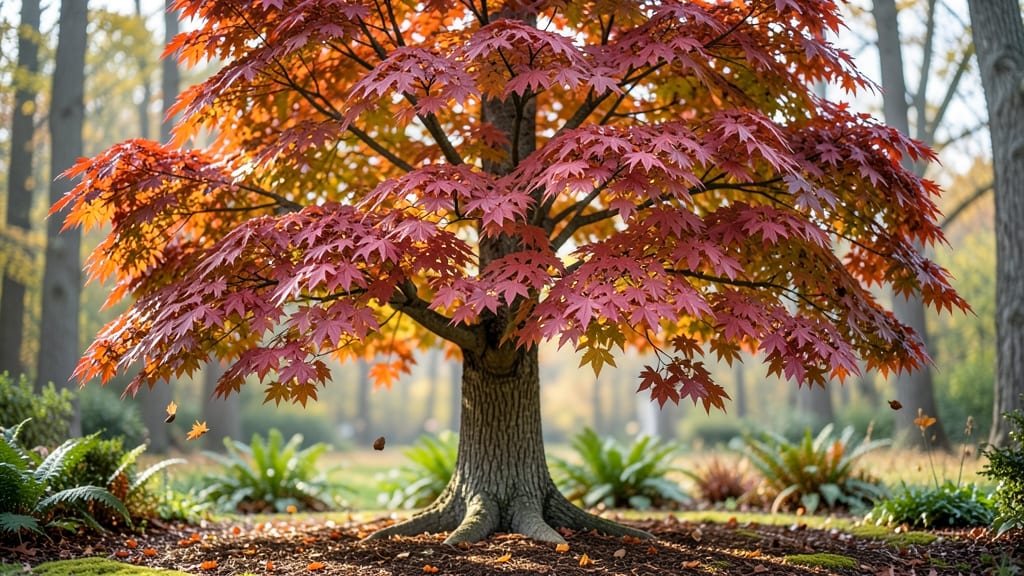
That classic 5-lobed leaf shape isn’t just pretty—it’s a dead giveaway for plants like maples, cannabis, or even some ornamental shrubs. 🌿 I’ve seen fungal spots ruin these lush leaves faster than you can say "fall colors," but copper spray turns the tide.
The secret lies in understanding why these leaves get sick and how to protect them before the damage starts.
These iconic leaves—think maple’s jagged edges or cannabis’ broad, palmate shape—love bright light and well-draining soil, but they’re prone to fungal spots when humidity spikes. Copper spray works by creating a protective barrier, not just masking symptoms.
You’ll notice healthier growth within 2-3 weeks of treatment, and the leaves stay vibrant through summer’s worst downpours.
The fix is simple: mix copper fungicide with water, apply it when leaves are dry, and repeat every 7-10 days during wet seasons. Your plants won’t just survive—they’ll thrive, with leaves that stay glossy and disease-free.
The best part? It’s safe for pets and kids once dry, so no trade-offs for safety.
Works for maples, cannabis, and even some fruit trees with similar leaf shapes. Once you spot that 5-lobed pattern, you’ll know exactly how to keep it lush and spot-free all season.
Understanding Leaf Distortion Causes
When your plants start sporting irregularly shaped leaves—like those 5-lobed leaves—it’s often a sign that something’s amiss beneath the surface. While a few oddities might just be quirks of nature, persistent deformities usually point to underlying issues.
Let’s break down the most common reasons why leaves develop unusual lobing, including fungal infections, environmental stress, and genetic factors.
Fungal pathogens are one of the top culprits behind distorted leaf growth. These microscopic invaders disrupt the plant’s cellular structure, leading to malformed leaves, discoloration, and stunted growth. Here’s how they do it:
- Cellular Disruption: Fungi like Alternaria or Septoria release enzymes that break down plant cell walls. This weakens the leaf’s ability to expand evenly, causing lobes or jagged edges to form as the leaf struggles to grow.
- Nutrient Theft: Fungi siphon nutrients from the plant, starving the leaf of the resources it needs for proper development. This can result in underdeveloped or misshapen lobes.
- Spore Spread: High humidity and poor airflow create the perfect breeding ground for fungal spores. If spores land on young leaves, they can infect the emerging tissue, locking in the distorted shape as the leaf matures.
Actionable Tip: 💡 If you suspect a fungal infection, act fast! Prune affected leaves, improve airflow around plants, and apply a copper-based fungicide to disrupt the fungal lifecycle.
Plants are sensitive to their surroundings, and extreme or inconsistent conditions can trigger abnormal growth patterns. Here’s how environmental factors contribute to lobed leaves:
| Factor | Effect on Leaf Growth | How It Happens |
|---|---|---|
| Temperature Fluctuations | Irregular lobes or curled edges | Rapid temperature swings disrupt enzyme activity in young leaves, causing uneven cell expansion. For example, cool nights followed by hot days can stall growth in certain leaf zones. |
| Poor Soil Drainage | Yellowing between lobes, stunted growth | Waterlogged roots can’t absorb nutrients efficiently. Oxygen deprivation forces the plant to prioritize survival over leaf development, leading to deformed structures. |
| Strong Winds or Hail | Torn or jagged lobes | Physical damage to emerging leaves can alter their growth pattern. The plant may "repair" the damage by growing extra lobes or thickened edges. |
| Light Intensity Issues | Uneven lobing, pale or dark spots | Too much direct sunlight can scorch leaf edges, while shade stress reduces chlorophyll production. Both scenarios force the leaf to compensate with irregular shapes. |
Pro Tip: ✨ Monitor your plants’ environment regularly. Use shade cloth in intense sunlight, mulch to improve soil drainage, and protect young plants from harsh winds with row covers.
Not all lobed leaves are a cause for alarm! Some plants are naturally predisposed to irregular leaf shapes due to their genetics. Here’s what to consider:
- Hereditary Traits: Certain plant varieties, like some maple or oak species, are bred or evolved to have lobed leaves. If your plant is a known cultivar with this trait, it’s likely just part of its DNA.
- Hybridization Effects: Crossbreeding plants can sometimes result in unpredictable leaf shapes. For example, grafting a scion onto a rootstock might produce leaves that don’t match either parent.
- Juvenile Phase: Young plants often exhibit different leaf shapes than mature ones. A 5-lobed leaf on a sapling might smooth out as the plant ages.
Key Question: 🌱 Is this a new issue, or has your plant always had slightly odd leaves? If it’s the latter, it might just be a natural trait—no intervention needed!
While less common than fungi or environmental stress, pests can also alter leaf development. Here’s how:
- Sap-Sucking Insects: Aphids, spider mites, or whiteflies feed on leaf sap, disrupting the flow of nutrients and hormones. This can lead to stunted growth and irregular lobes as the leaf compensates for damage.
- Chewing Insects: Caterpillars or beetles may physically tear emerging leaves, forcing the plant to regrow tissue in a distorted pattern. The new growth often appears thicker or more lobed.
- Viral Transmission: Some pests, like aphids, spread viruses that alter leaf morphology. If your plant’s deformities are paired with mosaic patterns or stunting, a virus could be the culprit.
Action Step: 🔥 Inspect the undersides of leaves for pests. Use insecticidal soap or neem oil to treat infestations, and remove heavily damaged leaves to prevent further spread.
Quick Fixes for Fungal Spots
Fungal spots on your five-lobed leaves (like those on maple, oak, or horse chestnut trees) can be frustrating, but the good news is that early action can save your plants.
Below are practical, step-by-step solutions tailored to the most common causes—from environmental stress to fungal infections—along with prevention tips to keep your greenery thriving.
If you spot yellowing, brown, or black patches with a velvety texture, a fungal infection (like anthracnose or leaf spot) is likely the culprit. Act fast with these steps:
🔥 Step 1: Remove Infected Leaves
- Why? Fungal spores spread easily, so cutting off infected foliage stops the cycle.
- How?
- Use sterilized pruners (wipe with rubbing alcohol).
- Snip off only the damaged leaves—don’t over-prune healthy growth.
- Dispose of leaves in a sealed trash bag (not compost).
🍳 Step 2: Apply Copper Fungicide Spray
Copper is nature’s fungicide and works against many leaf-spotting fungi.
Here’s how to use it safely: - Mix it right: - Use a pre-mixed copper fungicide (like Bordeaux mixture or copper sulfate spray). - Follow label instructions—typically 1-2 tablespoons per gallon of water. - Spray thoroughly: - Focus on both sides of leaves and stems. - Apply early morning or late evening to avoid burning leaves in direct sun. - Reapply every 7-14 days until new growth appears spot-free.
👨🍳 Step 3: Improve Airflow & Reduce Moisture
Fungi love humidity and stagnant air. Break the cycle with:
- Prune nearby branches to allow sunlight and airflow.
- Water at the base (not overhead) to keep leaves dry.
- Space plants properly—overcrowding traps moisture.
If spots appear dry, crispy, or irregular, environmental factors (like heat stress, overwatering, or nutrient deficiency) may be to blame.
💡 Adjust Watering Habits
- Overwatering? Let soil dry 1-2 inches deep between waterings.
- Underwatering? Water deeply once a week (adjust for clay vs. sandy soil).
- Pro tip: Use a moisture meter or the finger test to check soil.
🎯 Provide Shade & Mulch
- Young or sensitive plants? Use shade cloth (30-50%) during peak sun (10 AM–4 PM).
- Mulch heavily (2-3 inches of wood chips or straw) to:
- Retain moisture.
- Regulate soil temperature.
- Block fungal spores from splashing onto leaves.
🥗 Boost Plant Nutrition
- Yellowing between veins? Likely iron or nitrogen deficiency.
- Apply a balanced fertilizer (10-10-10) or chelated iron for quick results.
- For organic options, use compost tea or fish emulsion.
Once your plant recovers, keep it healthy long-term with these low-effort habits:
| Prevention Tip | How to Do It | Why It Works |
|---|---|---|
| Rotate copper sprays | Use copper every 4-6 weeks in spring/fall. | Builds resistance in fungi. |
| Clean tools & garden beds | Sterilize pruners and remove debris yearly. | Stops spore buildup. |
| Plant disease-resistant varieties | Choose disease-tolerant maple/oak species (e.g., Acer rubrum ‘Autumn Blaze’). | Reduces risk from the start. |
| Monitor regularly | Check leaves weekly for early signs. | Catches issues before they spread. |
If spots spread rapidly despite treatment, or if your plant shows wilting, dieback, or oozing sap, consult a local arborist or extension service. Some fungal infections (like tar spot) require specialized fungicides or professional pruning.
Remember: Patience is key—some trees (like oaks) shed infected leaves naturally in fall. With consistent care, your five-lobed leaves will bounce back stronger and spot-free! 🌿💚
Frequently asked questions
Which common plants have that classic 5-lobed leaf shape?
The most recognizable plants with 5-lobed leaves include maple trees (like sugar maple or red maple), cannabis plants, and horse chestnut trees. Some ornamental shrubs and even certain oak varieties also feature this distinctive palmate shape. If you're seeing these leaves in your garden, they're likely one of these species!
Why do my 5-lobed leaves keep getting brown spots?
Those brown spots are usually a sign of fungal infections like anthracnose or leaf spot, which thrive in humid conditions. The classic 5-lobed leaf shape makes these plants particularly vulnerable because the deep indentations trap moisture. Copper spray creates a protective barrier that prevents fungal spores from taking hold.
How often should I apply copper spray to protect my plants?
For best results, apply copper fungicide every 7-14 days during wet seasons or when you first notice spots appearing. Start with a thorough application when leaves are dry, then maintain this schedule until you see new growth without spots. The key is consistency—don't wait until the problem spreads!
Can I use copper spray on all plants with 5-lobed leaves?
Yes, copper spray is safe for most plants with 5-lobed leaves, including maples, cannabis, and ornamental shrubs. However, always test a small area first and avoid spraying in direct sunlight (it can cause leaf burn). The spray works by creating a protective layer that's harmless once dry—perfect for pets and kids!
What should I do if my 5-lobed leaves are already severely damaged?
First, prune away all heavily infected leaves using sterilized tools to prevent spread. Then focus on improving airflow around the plant and applying copper spray. For severe cases, consider consulting a local arborist—they can recommend stronger treatments or professional pruning techniques to save your plant.