
Plants
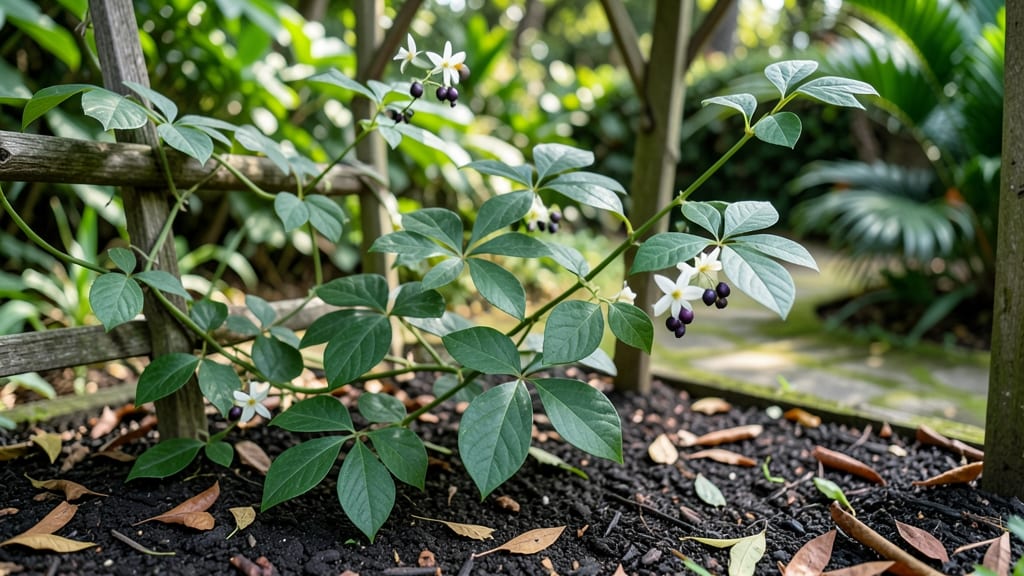
Growing a 6 leaf vine transforms any space into a lush, year-round green statement. 🌿 This cold-hardy perennial, also called Hexastylis arifolia, thrives in shade gardens with its glossy, deep-green foliage that stays vibrant even in winter.
What makes it special? It’s one of the few plants that delivers bold texture and color without needing full sun or constant care.
Ideal for shady spots, this vine loves moist, well-draining soil and tolerates temperatures down to zone 5. Unlike fussy tropicals, it handles humidity fluctuations and even drought once established.
The key to keeping it thriving? Mimic its natural woodland habitat—dappled light, rich soil, and occasional watering—and you’ll have a plant that looks effortlessly polished.
Propagation is simple: take stem cuttings in spring and root them in a mix of peat and perlite. Within weeks, you’ll see new growth, proving this plant is beginner-friendly yet dramatic.
The glossy leaves repel pests naturally, and its slow-spreading habit means it won’t take over your garden—just enhance it.
Perfect for woodland gardens, shade borders, or even indoor spots with bright indirect light. Once you grow one, you’ll want to share cuttings with friends—it’s that irresistible. Let’s get yours thriving!
Root Causes Of Unusual Growth
If your 6 leaf vine (also known as Hexastylis arifolia) is sporting more than its signature six leaflets—or fewer, or distorted shapes—there’s usually a scientific reason lurking beneath the soil.
Understanding these triggers helps you correct the issue before it affects the plant’s long-term health. Let’s dig into the most common culprits.
The most straightforward explanation for extra leaflets (or fewer) is genetic variation. While the species is named for its six-leaflet pattern, not all plants adhere strictly to the rule—especially if grown from seed rather than cuttings.
- Why it happens: Seeds carry a mix of traits from parent plants, leading to occasional deviations in leaf structure. This is normal in many perennials and isn’t a sign of poor care.
- Actionable insight: If you’re growing from seed, expect some variability. For consistent six-leaflet foliage, propagate via stem cuttings from a known healthy specimen.
- Pro tip: 💡 Hexastylis hybrids or cultivated varieties (like 'Little Gem') may naturally produce slightly different leaf shapes—check the plant’s lineage if consistency matters.
This cold-hardy vine thrives in USDA Zones 5–9, but extreme heat or sudden temperature swings can trigger abnormal growth patterns, including leaflet fusion or stunting.
- Why it happens:
- Heat shock: Temperatures above 85°F (29°C) for prolonged periods can disrupt cellular division in new leaves, leading to malformed or fused leaflets.
- Cold injury: Late frosts (<32°F/0°C) or early fall chills can cause chlorosis (yellowing) or stunted growth, mimicking nutrient deficiencies.
- Soil temperature: Roots prefer 60–70°F (15–21°C). Soil that’s too hot or cold slows nutrient uptake, indirectly affecting leaf development.
- Actionable fixes:
- ✨ Provide afternoon shade in hot climates (use sheer fabric or dappled shade from trees).
- 🌡️ Mulch with 3–4 inches of organic matter (e.g., shredded bark) to regulate soil temperature.
- 💧 Water deeply early in the morning to cool roots and prevent heat stress.
Fungal diseases like anthracnose or powdery mildew can distort leaf growth, causing leaflets to curl, pucker, or grow asymmetrically. These issues are more common in humid, poorly ventilated conditions.
| Symptom | Likely Culprit | Solution |
|---|---|---|
| Dark spots with yellow halos | Colletotrichum (anthracnose) | Prune infected leaves; apply copper fungicide every 2 weeks. |
| White powdery coating | Erysiphe (powdery mildew) | Improve airflow; spray with neem oil or baking soda solution. |
| Blackened, mushy stems | Phytophthora (root rot) | Repot in well-draining soil; avoid overwatering. |
Prevention tip: 🌿 Space plants 12–18 inches apart to reduce humidity around foliage. Water at the base (not overhead) to keep leaves dry.
The 6 leaf vine’s glossy foliage is a sign of balanced nutrition, but deficiencies or excesses—especially of nitrogen, magnesium, or iron—can warp leaf development.
- Why it happens:
- Too much nitrogen: Leads to large, soft leaves with fewer leaflets (the plant prioritizes growth over structure).
- Magnesium/iron deficiency: Causes interveinal chlorosis (yellowing between veins), which can distort new growth.
- Compacted or alkaline soil (pH >6.5): Locks out iron and manganese, stunting leaflet formation.
- Diagnose and fix:
- 📊 Test soil pH—aim for 5.5–6.5. Amend with sulfur if too alkaline.
- 💪 Use a balanced fertilizer (e.g., 10-10-10) in early spring to avoid nitrogen overload.
- 🍎 Feed with Epsom salt (1 tbsp/gallon water) every 4–6 weeks for magnesium.
Pests like spider mites, aphids, or scale insects feed on sap, causing leaflets to curl, yellow, or grow in irregular clusters. Their saliva also disrupts plant hormones.
- Signs of infestation:
- Sticky residue (honeydew) on leaves.
- Tiny webs (spider mites) or black sooty mold (aphids).
- New growth appears puckered or stunted.
- Treatment:
- 🔥 Blast pests off with a strong water spray (use a hose nozzle).
- 🌿 Apply insecticidal soap or neem oil weekly until pests vanish.
- 🐞 Introduce ladybugs or lacewings for natural control.
Remember: Most growth quirks in Hexastylis are correctable with targeted care. Monitor your plant’s environment closely—small adjustments in light, water, or soil can restore those perfect six-leaflet clusters!
Quick fixes for common vine problems
If your six-leaf vine (or Hexastylis arifolia) is struggling, don’t panic—most issues have simple, actionable solutions. Below, we’ve mapped common problems to their fixes, with step-by-step guidance and prevention tips to keep your plant thriving year-round. 🌿✨
Why it happens: Six-leaf vines despise soggy roots. Yellow or crispy brown leaves often signal overwatering, compacted soil, or containers without drainage holes.
How to fix it: 🔥 Step 1: Check the soil – Stick your finger 1–2 inches deep. If it’s damp, wait to water. 🍳 Step 2: Improve drainage – Mix in perlite or orchid bark (20–30%) into potting soil for better airflow. 👨🍳 Step 3: Repot if needed – If roots are circling or the pot feels waterlogged, transfer to a terracotta pot (breathable material) with fresh, well-draining mix. 🥘 Step 4: Adjust watering – Water only when the top inch of soil is dry. In winter, reduce to once every 2–3 weeks.
Prevention tips: ✅ Use a moisture meter to avoid guesswork. ✅ Group pots together to create a humid microclimate (they love 50–70% humidity). ✅ Avoid saucers without drainage—excess water pools and rots roots.
Why it happens: Stretched-out stems or drooping foliage mean your vine isn’t getting enough indirect light or lacks essential nutrients.
How to fix it: 🔥 Step 1: Move to brighter (but not direct) light – Place near an east-facing window or under grow lights (12–14 hours/day). 🍳 Step 2: Fertilize lightly – Use a balanced liquid fertilizer (10-10-10) diluted to half-strength every 4–6 weeks in spring/summer. 👨🍳 Step 3: Prune leggy growth – Trim stems back by 1/3 to encourage bushier, healthier regrowth. 🥘 Step 4: Rotate the pot – Ensures even light exposure and prevents one-sided growth.
Prevention tips: 💡 Avoid cold drafts—six-leaf vines prefer 60–75°F and can wilt if shocked by AC or windows. 🌡️ Mulch with sphagnum moss to retain moisture and nutrients in the soil.
Why it happens: Dusty environments or dry air attract spider mites (tiny red webs) or scale (brown bumps on stems).
How to fix it: 🔥 Step 1: Isolate the plant – Prevent pests from spreading to other houseplants. 🍳 Step 2: Wipe leaves with neem oil solution – Mix 1 tsp neem oil + 1 tsp mild soap + 1 quart water. Spray every 5–7 days until pests vanish. 👨🍳 Step 3: Blast off scale with water – Use a stream of water to dislodge stubborn scale, then apply rubbing alcohol (70%) with a cotton swab. 🥘 Step 4: Increase humidity – Place the pot on a pebble tray with water or use a humidifier to deter mites.
Prevention tips: ✨ Inspect new plants before bringing them indoors. ✨ Spray leaves weekly with water to keep dust (a mite magnet) at bay.
Why it happens: Six-leaf vines grow slowly naturally, but root-bound pots or winter dormancy can stall growth entirely.
How to fix it: 🔥 Step 1: Gently check roots – If roots circle the pot or peek through drainage holes, it’s time to repot. 🍳 Step 2: Upgrade the pot – Choose 1–2 inches larger with drainage holes. Use a chunky, acidic mix (peat + perlite + bark). 👨🍳 Step 3: Trim dead roots – Snip any black/mushy roots with sterilized scissors before repotting. 🥘 Step 4: Wait for spring – If growth slows in winter, be patient—they’re dormant. Resume fertilizing in early spring.
Prevention tips: 🎯 Repot every 2–3 years to avoid root crowding. 💪 Feed lightly in fall (half-strength fertilizer) to prep for winter.
Why it happens: Six-leaf vines are cold-hardy (USDA Zones 5–9), but sudden freezes or drafts can shock them.
How to fix it: 🔥 Step 1: Move indoors – If temps drop below 30°F, bring potted vines inside near bright, indirect light. 🍳 Step 2: Trim damaged foliage – Cut back blackened or mushy leaves with clean pruners. 👨🍳 Step 3: Acclimate gradually – If moving back outside, harden off by placing in shade for a week before full sun. 🥘 Step 4: Mulch outdoor plants – Add a 2–3 inch layer of mulch to protect roots in winter.
Prevention tips: 🌡️ Monitor frost dates—cover plants with frost cloth if early freezes are forecast. 🏡 Group containers to retain warmth in cold snaps.
- Diagnose first – Check soil moisture, light, and pests before treating.
- Adjust one thing at a time – Overhauling care (water + light + fertilizer) can stress the plant.
- Be patient – Six-leaf vines recover slowly but reward you with glossy, year-round foliage once stable.
Remember: Most six-leaf vine issues stem from overwatering, poor light, or neglect. With these fixes, your plant will bounce back—and thrive! 🌱💚
Frequently asked questions
What’s the best way to propagate my six-leaf vine?
Use stem cuttings in spring for the easiest method. Snip a 4–6 inch healthy stem just below a leaf node, remove lower leaves, and dip the cut end in rooting hormone. Plant in moist perlite or sphagnum moss, then cover with a plastic bag to retain humidity. Roots typically form in 4–6 weeks.
Can I grow six-leaf vine indoors?
Yes! Place it near an east-facing window where it gets bright, indirect light for 6–8 hours/day. Avoid direct sun or cold drafts. A humidity tray (pebbles + water) helps mimic its woodland habitat, and misting leaves occasionally keeps it thriving indoors.
Why are my vine’s leaves turning yellow?
Yellowing leaves usually mean overwatering or nutrient deficiency. Check soil moisture—water only when the top 1 inch is dry. For yellowing between veins, test soil pH (ideal: 5.5–6.5) and feed with Epsom salt (1 tbsp/gallon) for magnesium. Avoid fertilizing in winter.
How cold can my six-leaf vine tolerate?
This hardy vine survives USDA Zones 5–9, handling temps down to 20°F (-7°C) with protection. For potted plants, move indoors if temps drop below 30°F. In gardens, mulch heavily (3 inches) and cover with frost cloth for extra safety during late frosts.
Are there different varieties of six-leaf vine?
While Hexastylis arifolia is the classic, some hybrids like 'Little Gem' produce smaller, more compact foliage. Leaf color varies from deep green to variegated (cream/yellow edges). Always check the plant’s lineage—seed-grown vines may have more variation than cuttings from a known parent.