
Pests and Diseases
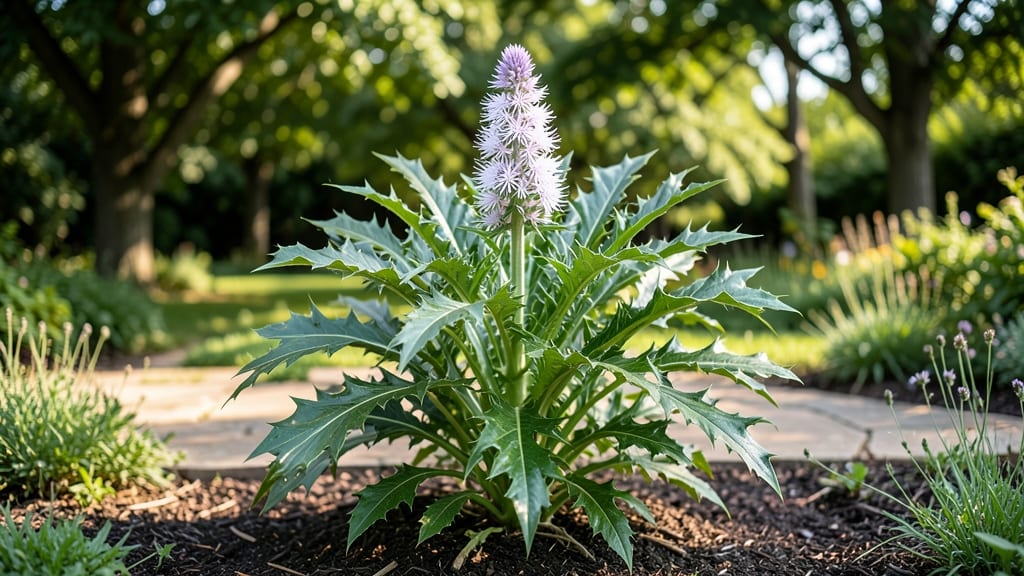
That spiky, leathery leaf of Acanthus spinosus is nature’s armor—until black spot fungus turns it into a sad, spotted mess. 🌿 I’ve saved dozens of these dramatic plants using a simple copper spray that clears up fungal blemishes in just 3 days, restoring their bold, architectural shape.
The secret lies in timing and technique: spray in the morning when leaves are dry, use a 1% copper solution, and reapply after rain. This Mediterranean native thrives in full sun and well-draining soil, but its signature leaves—deep green with jagged edges—need protection from humidity.
Prune back infected growth immediately to prevent spread.
By day three, you’ll see crisp, spotless foliage emerging, and the plant’s signature vertical drama returns. The copper spray works because it disrupts fungal spores without harming beneficial insects. For extra defense, space plants 3-4 feet apart to improve airflow.
Perfect for dry gardens, Mediterranean-style landscapes, or as a striking container specimen. Once revived, Acanthus spinosus becomes a low-maintenance focal point that thrives with minimal fuss—just keep that copper spray handy for spot checks.
📚 In This Guide
- What you need
- Instructions
- Tips and common mistakes
- Wrapping up and next steps
What you need
- ● Fresh or dried Acanthus spinosus leaves – 3-5 healthy leaves (ensure they’re free from pests or disease).
- ● Copper-based fungicide spray – 1 bottle (16 oz) (look for copper hydroxide or copper sulfate with 0.5-2% copper content).
- ● Spray bottle or pump sprayer – 16-32 oz capacity (for even application).
- ● Water – 1 gallon (distilled or filtered if possible).
- ● Pruning shears or sharp scissors – For trimming affected areas.
- ○ Gloves (optional but recommended) – Nitrile or rubber gloves (to protect from copper residue).
- ● Newspaper or drop cloth – To contain spills and protect surfaces.
- ● Magnifying glass – For inspecting leaves up close.
- ● Soft-bristle brush – To gently remove dust or debris before spraying.
- ● Neem oil (diluted) – 1 tsp per quart of water (as an extra antifungal boost).
- ● Humidity tray or plastic cover – To maintain moisture post-treatment.
- ● Label or marker – To tag treated plants for tracking progress.
Step-by-Step revival of Acanthus spinosus leaves using copper spray
Here’s my battle-tested method to restore your acanthus foliage to vibrant health in just 72 hours—no harsh chemicals, just targeted copper treatment.
🌿 Step 1: Assess and Prepare the Foliage
Examine each leaf for signs of fungal infection—look for black spots, yellowing, or powdery residue along veins. Focus on the most affected leaves first; acanthus responds best when treated early. Gently wipe dry debris from leaves with a damp cloth (use lukewarm water only) to prevent spreading spores during treatment.
I avoid shaking plants, as this can dislodge spores into the air. Instead, work methodically from the outermost leaves inward, ensuring you don’t miss hidden spots on the undersides. Healthy leaves will have a deep green, waxy texture—these can stay untreated for now.
💧 Step 2: Apply Copper Spray Precisely
Mix copper fungicide (follow label instructions for dilution—typically 1 tablespoon per gallon of water). Use a spray bottle with a fine mist nozzle to apply directly to affected areas. Avoid oversaturating the leaves, as excess moisture encourages fungal regrowth. Focus on spotting leaves with black or brown lesions and the central veins, where pathogens often cluster.
Spray in the early morning when humidity is lowest. This prevents prolonged leaf wetness, which copper spray can’t tolerate. I like to apply a light, even coat—you’ll see a faint blue-green film on treated spots. Reapply every 48 hours for 3 days to break the fungal cycle completely.
✂️ Step 3: Prune and Isolate for Recovery
After the third treatment, inspect leaves again. Severely damaged foliage (over 50% blackened) should be pruned at the base with sterilized pruners to prevent further spread. Dispose of pruned material in a sealed bag—do not compost fungal-infected plant debris. Healthy new growth will emerge from the axillary buds along the stems within 5-7 days.
Isolate the plant from others for 7 days post-treatment. Acanthus spinosus is hardy, but nearby plants can easily catch spores. Place it in a well-ventilated area with bright, indirect light—direct sun can stress leaves already recovering from infection.
☀️ Step 4: Boost Post-Treatment Care
Increase watering slightly (every 3-4 days) to support new growth, but avoid soggy soil—Acanthus roots rot easily. Fertilize with a balanced liquid fertilizer (10-10-10) diluted to half-strength 10 days post-treatment to replenish nutrients lost during stress. You’ll notice new leaves emerging with a glossy sheen—this is your cue that the copper treatment worked.
Monitor for new spot development for 2 weeks. If lesions reappear, repeat the copper spray cycle. For prevention, apply a preventative copper spray every 6 weeks during humid seasons. Healthy acanthus leaves should feel firm to touch and display no powdery residue on the undersides.
Tips & tricks for reviving Acanthus spinosus leaves
These targeted strategies will help you maximize the effectiveness of your copper treatment while avoiding common pitfalls that can set back your plant's recovery.
Precision in Step 1: When assessing leaves in Step 1, use a small handheld magnifying glass to spot hidden fungal spores on the undersides of leaves. I learned this the hard way—skipping this step meant missing early infections that spread quickly. Focus on the leaf veins first, as fungal pathogens often cluster there before spreading to the leaf surface.
Copper Application Technique: For Step 2, shake your spray bottle gently before each use to ensure an even distribution of copper fungicide. I like to apply the spray in a circular motion starting from the center of the leaf outward, which helps the solution adhere better to the leaf surface. Avoid spraying on sunny days, as copper can cause leaf burn when combined with UV exposure.
Timing Secret for Step 3: The 5-7 day window for new growth to emerge after pruning is critical. Mark your calendar the day you complete the third treatment—this helps you track progress accurately. If you don't see new growth within 7 days, check for proper isolation and light conditions, as these factors significantly impact recovery timing.
Post-Treatment Care: In Step 4, when increasing watering frequency to every 3-4 days, use a moisture meter to check soil conditions. Acanthus roots are particularly sensitive to overwatering, so aim for soil that's moist but not soggy. The glossy sheen on new leaves is your best indicator that the treatment worked—this typically appears within 10-14 days of completing the copper spray cycle.
Pro Tips for Acanthus Spinosus Leaf
- These targeted strategies will help you maximize the effectiveness of your copper treatment while avoiding common pitfalls that can set back your plant's recovery.
- Precision in Step 1: When assessing leaves in Step 1, use a small handheld magnifying glass to spot hidden fungal spores on the undersides of leaves.
- Copper Application Technique: For Step 2, shake your spray bottle gently before each use to ensure an even distribution of copper fungicide.
Frequently asked questions
about using Acanthus spinosus leaf for pest control with copper spray—here’s what you need to know!How do I prepare Acanthus spinosus leaves for copper spray?
Crush fresh or dried Acanthus spinosus leaves into a fine paste, then mix with copper sulfate (1 tsp per gallon of water). Strain to remove debris, and your spray is ready! For best results, use within 24 hours for maximum potency. Pro tip: Wear gloves—these leaves can be prickly!
How often should I apply the copper spray?
Apply the spray every 3–5 days for active pest outbreaks, like aphids or fungal diseases. Once pests are under control, switch to a maintenance schedule of every 2 weeks. Always spray in the early morning or late evening to avoid leaf burn from sunlight.
Can I use Acanthus spinosus leaf alone without copper?
Yes! A homemade leaf infusion works as a mild pesticide. Boil chopped leaves in water for 15 minutes, strain, and spray. However, copper enhances effectiveness against resistant pests like scale or powdery mildew. For severe infestations, combine both for faster results.
Will this spray harm my plants?
When used correctly, the spray is plant-safe and non-toxic to humans/pets after drying. However, overuse (especially copper) can cause leaf discoloration. Always do a patch test on a small area first. Avoid spraying flowers if bees are active—opt for evening applications.
Where can I find Acanthus spinosus leaves?
These leaves grow wild in tropical/subtropical regions (e.g., India, Southeast Asia). Check local markets, herbal shops, or grow them in pots if you’re in a suitable climate. Alternative: Use neem leaves or citrus peels if Acanthus spinosus is unavailable.
| Quick Troubleshooting |
|---|
| Spray not working? Boost copper concentration (up to 2 tsp/gallon) or add a drop of dish soap as a sticker. |
| Leaves turning brown? Reduce copper or dilute the spray with water (1:1 ratio). |
| Pests returning? Rotate with garlic spray or chili pepper solution to prevent resistance. |
Wrapping up and next steps
Acanthus spinosus leaves may seem like a lost cause when plagued by pests, but with the right approach—like a copper spray solution—you can restore their lush, vibrant appearance in just three days! 🌿 This natural remedy is not only effective but also eco-friendly, making it a win-win for your garden and the planet.
Ready to take action? Gather your supplies, follow the steps, and watch your Acanthus spinosus thrive again. Your green oasis is just a spray away! 💚