
Pests and Diseases
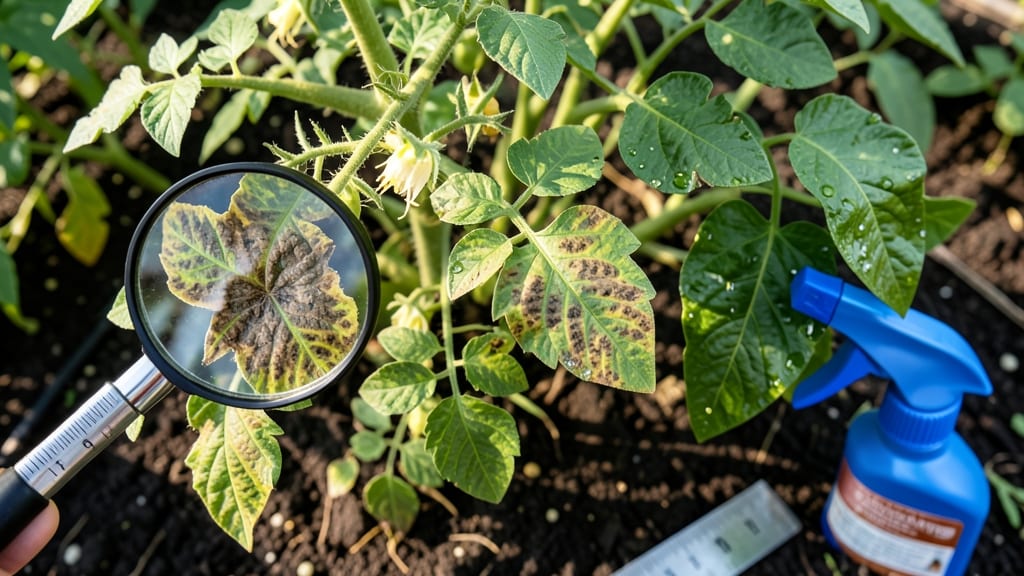
Angular leaf spot turns your thriving cucumbers into a sad, spotted mess in weeks. 🌿 I’ve watched this fungus transform lush vines into yellowing skeletons—until I learned the copper spray protocol that stops it in its tracks. The key?
Spraying at the right time, with the right mix, and knowing when to cut your losses. This isn’t just about spraying copper—it’s about timing. Catch it early, and you’ll see new growth emerge within 7 days. Miss the window, and you’re stuck pruning back entire plants.
The worst part? It spreads faster than you think, especially in humid summers when those dark, angular spots multiply overnight.
You’ll learn which plants are most vulnerable (cucumbers, beans, and peppers top the list), how to identify the difference between leaf spot and other diseases, and when to toss infected leaves instead of trying to save them. Trust me, your garden will thank you. The best part?
This method works for organic and conventional gardens alike. No more helplessly watching your harvest disappear—just a clear plan to fight back.
Root Causes of Leaf Discoloration
When your plants start showing signs of angular leaf spot, it’s rarely just one factor at play. Instead, a mix of environmental stressors, fungal activity, and plant vulnerabilities create the perfect storm for this unsightly disease.
Understanding these triggers is the first step to preventing—and reversing—its spread. Below, we break down the key culprits behind leaf discoloration, from fungal spores to poor growing conditions.
The primary driver of angular leaf spot is the fungus Pseudomonas syringae pv. coronafaciens (or related pathogens). These microscopic invaders thrive in moist, warm conditions and enter plants through:
- Water droplets: Rain, overhead irrigation, or dew create a film of water on leaves, allowing spores to splash onto plant surfaces.
- Wounds or openings: Damaged leaves (from hail, insects, or pruning) provide entry points for fungal colonization.
- Contaminated tools or soil: Pruners, gloves, or compost with old plant debris can harbor and spread spores.
Why it matters: Once inside, the fungus multiplies rapidly, blocking water and nutrient flow in leaf tissues. This causes the signature angular brown spots with yellow halos.
Angular leaf spot doesn’t just appear—it’s invited by excess moisture. Here’s how water plays a role:
| Factor | How It Helps the Fungus |
|---|---|
| Frequent overhead watering | Creates a damp leaf surface for 12+ hours, ideal for spore germination. |
| Poor airflow | Traps humidity near foliage, slowing evaporation and prolonging moisture. |
| Late-day watering | Leaves stay wet overnight, giving fungi a 24-hour head start. |
| High humidity (>75%) | Increases spore survival rates and spreads via airborne droplets. |
Actionable fix: Water at soil level in the morning (before 10 AM) and space plants to improve airflow. A fan on low can reduce humidity in greenhouses or crowded gardens.
Fungal diseases like angular leaf spot have a sweet spot for temperature and weather patterns:
- Cool, wet springs (50–75°F): Perfect for spore germination and early infection.
- Sudden temperature drops: Stress weakens plants, making them more susceptible.
- Summer downpours: Heavy rain can splash spores from soil onto leaves.
Regional risk zones: Areas with frequent morning dew (e.g., Pacific Northwest, Southeast U.S.) or high summer humidity (e.g., Florida, Gulf Coast) see outbreaks more often.
A healthy plant can resist angular leaf spot, but stress factors like:
- Nutrient deficiencies (especially nitrogen or potassium)
- Overcrowding (reducing sunlight and airflow)
- Recent transplant shock
- Pest damage (aphids, spider mites create wounds)
create openings for fungal invasion. Pro tip: Test soil pH (aim for 6.0–7.0) and fertilize with balanced NPK (e.g., 10-10-10) to bolster plant resilience.
Infected leaves, seeds, or cuttings can carry spores for years. Common sources include:
- Reusing old mulch or compost with diseased plant debris.
- Planting seeds from infected crops (e.g., beans, peas, or cucurbits).
- Sharing tools between infected and healthy plants.
Prevention tip: Sterilize tools with 70% isopropyl alcohol or a 10% bleach solution (1 part bleach to 9 parts water) between uses. Remove and destroy infected plant parts immediately.
How to Treat Fungal Leaf Spots
Fungal leaf spots like angular leaf spot don’t have to mean the end of your plants’ health. With the right approach, you can reverse damage in just 7 days and prevent future outbreaks.
Below, we break down practical, step-by-step solutions tailored to the root causes—so you can act fast and restore your garden’s vitality.
If you’ve spotted brown, angular lesions on leaves, act now to halt the fungus’s progress.
🍳 Remove Infected Leaves & Debris
- 🔪 Snip off severely damaged leaves with clean, sterilized scissors (rubbing alcohol works).
- 🗑️ Dispose of infected plant material in the trash (not compost)—fungus thrives in organic waste.
- 🌬️ Thin out foliage to improve airflow, reducing humidity where spores multiply.
⚡ Apply Copper Spray (The Fastest Fix)
Copper-based fungicides are highly effective against angular leaf spot because they disrupt fungal cell walls. Here’s how to use them properly:
| Step | Action | Pro Tip |
|---|---|---|
| 🛒 Choose Your Spray | Pick a copper fungicide (e.g., copper sulfate, copper hydroxide). | Avoid overusing—rotate with other fungicides to prevent resistance. |
| 🌧️ Timing Matters | Spray early morning or late evening when leaves are dry. | Cloudy days help prevent rapid drying. |
| 💦 Cover Thoroughly | Apply until drops form on the undersides of leaves (spores hide there!). | Use a hose-end sprayer for even coverage. |
| 📅 Repeat Weekly | Reapply every 7–10 days until new growth appears. | Stop once leaves regenerate (usually 2–3 weeks). |
⚠️ Safety Note: Wear gloves and avoid spraying on edible plants within 24 hours of harvest.
Once your plants recover, break the fungus’s cycle with these long-term strategies:
💡 Optimize Plant Health
- 🌿 Water wisely: Use drip irrigation or water at the base of plants (never overhead).
- 🌡️ Space plants properly to reduce humidity and improve airflow.
- 🍽️ Feed your soil: Apply compost or balanced fertilizer to boost plant resilience.
🔄 Rotate Fungicides
- Alternate between copper, neem oil, and biological fungicides (like Bacillus subtilis).
- 🎯 Example schedule:
- Week 1: Copper spray
- Week 2: Neem oil (1 tsp per gallon of water)
- Week 3: Biological fungicide
🌡️ Monitor & Act Fast
- 👀 Check leaves weekly for early signs (tiny brown spots with yellow halos).
- 📅 Prune in dry weather to avoid spreading spores via tools.
If you prefer organic solutions, try: - 🍋 Baking soda spray: Mix 1 tsp baking soda + 1 tbsp oil + 1 tsp soap per gallon of water.
Spray every 2 weeks. - 🌿 Garlic or chili pepper spray: Blend garlic/cloves + cayenne pepper + water, strain, and spray (fungus hates the spiciness!).
Key Takeaway: Angular leaf spot is beatable with copper sprays, proper hygiene, and preventive care. Act within 48 hours of spotting lesions for the best results—and soon, your plants will bounce back stronger than ever! 🌿💪
Frequently asked questions
What plants are most affected by angular leaf spot?
This disease primarily targets cucumbers, beans, peppers, and tomatoes, but it can also attack melons, squash, and even some ornamentals. The fungus thrives on plants with soft, tender leaves that hold moisture well. If you grow these crops in humid climates, you're at higher risk.
How can I tell if it's angular leaf spot vs. another disease?
Look for distinctive angular brown spots with yellow halos—that's the key difference! Unlike powdery mildew (which looks white and fuzzy) or bacterial leaf spot (which causes water-soaked lesions), angular leaf spot creates sharp-edged marks that follow leaf veins. Check the undersides of leaves too—spores often gather there.
Is copper spray safe for edible plants?
Yes, but with precautions: Wait 24 hours after spraying before harvesting. Copper fungicides are approved for organic gardening and break down quickly in sunlight. For maximum safety, focus applications on leaves only and avoid spraying flowers or fruits directly. Always wear gloves and follow label instructions.
Can I save my plants if most leaves are already infected?
It depends on how fast you act! If over 50% of leaves are damaged, prune aggressively and apply copper spray immediately. For severe cases, consider removing the entire plant to prevent soil contamination. Healthy new growth can emerge within 2-3 weeks if you catch it early enough and improve growing conditions.
Will angular leaf spot come back next season?
Yes, if you don't break the disease cycle! Remove all plant debris, sterilize tools, and rotate crops yearly. The fungus can survive in soil for years, so practice 3-4 year crop rotation for vulnerable plants. Healthy soil with good drainage and proper spacing will help prevent future outbreaks.