
Pests and Diseases
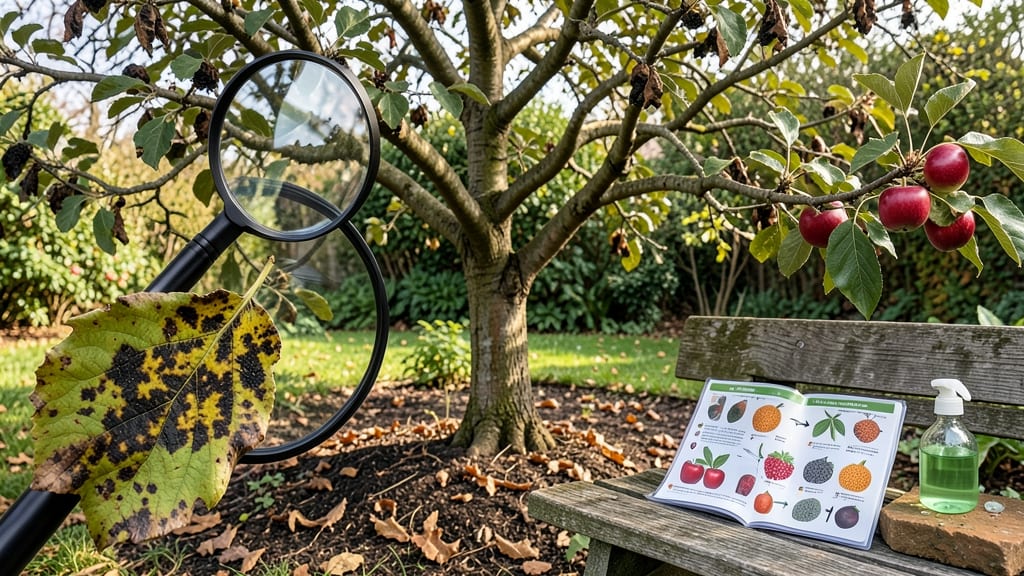
Apple leaf disease pictures can turn your orchard into a defoliated mess if you don’t catch them early. 🍏 I’ve seen healthy trees go from lush canopies to skeletal branches within weeks—until I learned to spot the subtle signs before they spread.
The key is recognizing those telltale patterns: dark spots with fuzzy edges, yellowing between veins, or crusty patches that look like they’ve been dusted with flour.
Black rot starts as tiny black dots along leaf edges, growing into ragged, V-shaped lesions that ooze when wet. Fungal diseases like apple scab create olive-green or black velvety spots, while powdery mildew coats leaves in a chalky white film.
The worst part? These diseases don’t just ruin leaves—they weaken the tree’s ability to produce fruit next season. But here’s the good news: catching them early means you can still save your harvest with the right treatments.
Once you know what to look for, prevention becomes straightforward. Prune infected branches immediately (and sterilize your tools!), apply copper fungicide at bud break, and keep the area around your tree free of fallen leaves.
Organic growers swear by neem oil sprays, while conventional methods often rely on sulfur-based fungicides. Either way, acting fast is everything—your tree’s future depends on it.
This guide will walk you through the most common diseases, their life cycles, and the best organic/conventional fixes. By the end, you’ll spot trouble before it takes hold—and your apples will thank you. Let’s get started with the visual clues that save seasons.
Root Causes Of Apple Leaf Damage
Understanding why apple leaves develop diseases is the first step in preventing them. These issues rarely happen in isolation—they’re usually a mix of environmental stress, microbial invaders, and poor orchard management. Let’s break down the key culprits behind those unsightly (and often harmful) leaf spots, discolorations, and deformities.
Fungi are the most common cause of apple leaf diseases, thriving in moist, warm conditions.
Once established, they spread rapidly, leaving behind telltale signs like: - Powdery mildew (white, powdery patches) - Black rot (dark, circular lesions with concentric rings) - Apple scab (olive-green, velvety spots that turn dark and crusty)
Why it happens: Fungal spores overwinter in infected plant debris, bud scales, or even soil. When spring arrives, splashing rain or wind disperses these spores onto healthy leaves. Fungi then penetrate leaf tissue through natural openings (like stomata) or weak spots caused by injury.
Actionable science:
- High humidity (70%+ for 12+ hours) creates the perfect fungal buffet. 🍄
- Cool, wet springs (50–75°F) accelerate spore germination.
- Poor air circulation in dense foliage traps moisture, giving fungi a foothold.
Bacteria like Erwinia amylovora (fire blight) or Pseudomonas syringae (bacterial spot) cause water-soaked lesions that expand into necrotic (dead) tissue. Unlike fungi, bacteria don’t need spores—they hitchhike on insects, tools, or even rain.
Why it happens:
- Wounds (from pruning, hail, or pests) act as entry points.
- Overhead irrigation splashes bacteria onto leaves, mimicking natural rain spread.
- High temperatures (77–86°F) and wet conditions speed up bacterial multiplication.
Key red flags:
- Oozing lesions (yellowish bacterial ooze)
- V-shaped brown spots (classic bacterial spot pattern)
- Wilting flowers or shoots (fire blight’s signature)
Even without pathogens, environmental factors weaken apple trees, making them susceptible to diseases. Think of it like a human catching a cold after a rough winter—stress lowers immunity.
Top triggers:
- Nutrient deficiencies (especially magnesium, zinc, or boron)
- Symptoms: Interveinal chlorosis (yellowing between veins), stunted growth.
- Why? Poor nutrition reduces chlorophyll, making leaves less resilient to pathogens.
- Extreme temperatures
- Heat stress (above 90°F) causes sunburn-like scorch marks.
- Frost damage cracks cell walls, inviting infections.
- Poor drainage or waterlogging
- Root suffocation starves leaves of nutrients, turning them pale or spotted.
- Fungal allies (like Phytophthora) thrive in soggy soil.
Pests don’t just eat leaves—they create wounds that become infection highways. Common culprits:
- Aphids (leave sticky honeydew, promoting sooty mold)
- Mitess (feed on sap, weakening tissue)
- Cankerworms (chew irregular holes, exposing inner layers)
Why it matters:
- Saliva from feeding can introduce bacteria or fungi.
- Physical damage disrupts the leaf’s protective waxy cuticle.
- Honeydew buildup creates a sugary film that ferments, creating acidic conditions perfect for fungal growth.
Human habits (or lack thereof) amplify disease risks. Common mistakes:
- Not removing infected debris (last year’s leaves harbor spores).
- Overhead watering (splashes pathogens onto leaves).
- Ignoring pruning hygiene (tools spread bacteria between trees).
- Planting susceptible varieties in high-risk zones (e.g., ‘McIntosh’ for apple scab).
The domino effect:
- Debris → Spores survive winter.
- Wet spring → Spores germinate.
- Poor airflow → Fungi spread unchecked.
- No fungicide → Epidemic.
Even well-meaning treatments can backfire:
- Overuse of nitrogen fertilizers → Soft, sappy growth (loved by pests/diseases).
- Incorrect fungicide timing → Resistant strains develop.
- Herbicide drift → Leaf burn, weakening defenses.
Pro tip: 💡 Always rotate fungicides and test soil pH (ideal: 6.0–7.0 for apples). Acidic soil (below 5.5) locks out nutrients, stressing trees.
Quick Fixes for Sick Apple Leaves
Apple trees are tough, but when diseases like black rot, powdery mildew, or scab take hold, they need fast, targeted care. The good news? Most leaf diseases are manageable with the right steps. Below, we’ll match common apple leaf diseases to their fixes—plus prevention tips to keep your orchard thriving.
Symptoms: Dead spots with concentric rings, wilting leaves, and blackened fruit.
How to Fix It:
- 🔪 Prune infected branches in late winter or early spring (before buds swell). Sterilize pruners with rubbing alcohol to prevent spread.
- 🗑️ Clean up fallen leaves—burn or compost them away from the tree (black rot spores survive in debris).
- 💧 Water at the base (avoid overhead spraying) to reduce humidity around leaves.
- 🍄 Apply fungicide (copper-based or sulfur) before blooming if your region is high-risk. Repeat every 2–3 weeks during wet seasons.
💡 Prevention Tip: Plant resistant varieties like ‘Liberty’ or ‘Enterprise’ if black rot is recurrent in your area.
Symptoms: White, powdery patches on leaves (like dust), stunted growth.
How to Fix It:
- 🧼 Spray leaves with a baking soda mix (1 tbsp baking soda + 1 tsp dish soap + 1 gallon water) early in the morning to avoid burning leaves.
- 🌿 Improve airflow by thinning dense branches or spacing trees farther apart.
- 🌞 Encourage sunlight—powdery mildew thrives in shade. Prune nearby trees/shrubs blocking light.
- 🛡️ Use fungicides like neem oil or potassium bicarbonate at first signs of fuzz. Reapply after rain.
💡 Prevention Tip: Avoid late-season nitrogen fertilizer—it promotes lush (but mildew-prone) growth.
Symptoms: Olive-green, scabby lesions on leaves/fruit; leaves may curl or drop early.
How to Fix It:
- 🍂 Rake and remove infected leaves immediately—don’t leave them near the tree.
- 💧 Water in the morning so leaves dry quickly (scab spores need moisture to spread).
- 🛡️ Spray copper fungicide (like Bordeaux mixture) before buds open in spring. Repeat every 7–10 days during wet periods.
- 🌿 Mulch with straw (not wood chips) to reduce soil splashing onto leaves.
💡 Prevention Tip: Plant trees in full sun and choose scab-resistant cultivars like ‘Jonagold’ or ‘Honeycrisp.’
Symptoms: Random brown/black spots with yellow halos; holes may develop.
How to Fix It:
- 🧹 Sterilize tools between cuts (bleach solution: 1 part bleach to 9 parts water).
- 🚫 Avoid overhead irrigation—use drip systems to keep foliage dry.
- 🍄 Apply fungicide (like chlorothalonil) preventatively at bud break, then every 2 weeks.
- 🌱 Rotate crops if growing other plants nearby (e.g., don’t plant apples after tomatoes in the same spot).
💡 Prevention Tip: Space trees 15–20 feet apart to improve airflow and reduce humidity.
| Season | Action | Why It Works |
|---|---|---|
| Winter | Prune dead wood; remove debris | Eliminates overwintering spores |
| Early Spring | Apply dormant oil or copper spray | Smothers overwintering pests/diseases |
| Growing Season | Mulch, water deeply, avoid wetting leaves | Reduces humidity and fungal growth |
| Fall | Clean up leaves; test soil pH (6.0–7.0) | Prevents spore buildup for next year |
🌟 Pro Tip: When in doubt, act fast—most fungal diseases spread quickly. A little maintenance now saves hours of cleanup later! For severe cases, consult your local cooperative extension service for tailored advice.
Frequently asked questions
What’s the difference between black rot and apple scab on leaves?
Black rot shows as dark, circular spots with jagged edges that often have concentric rings, while apple scab appears as olive-green, velvety patches that later turn black and crusty. Black rot spreads along leaf edges, while scab usually starts on upper leaf surfaces. Both weaken the tree, but scab affects fruit quality more.
Can I use household items to treat apple leaf diseases?
Yes! For powdery mildew, mix 1 tablespoon baking soda + 1 teaspoon dish soap + 1 gallon water and spray leaves early in the morning. For fungal spots, a 1% hydrogen peroxide solution (1 part 3% H₂O₂ to 30 parts water) can help as a disinfectant. Always test on a small area first.
Why do some leaves get diseases while others stay healthy on the same tree?
It’s usually due to airflow differences—leaves in dense areas with poor circulation stay wet longer, creating perfect fungal conditions. Lower branches also get more soil splashes during watering. Prune to improve airflow and water at the base instead of overhead to even things out.
How soon after seeing symptoms should I treat my apple tree?
Act within 24–48 hours for best results. Fungal spores spread rapidly in moist conditions, so don’t wait for widespread damage. Start with copper fungicide or neem oil and combine it with pruning infected branches. The sooner you treat, the less damage the tree will suffer.
Will my apples still be safe to eat if the leaves have diseases?
It depends on the disease. Black rot and scab can infect fruit, making it unsafe to eat raw (though cooking may help). Powdery mildew rarely affects fruit directly. When in doubt, remove and destroy infected fruit immediately and treat the tree to prevent next year’s harvest from being compromised.