
Pests
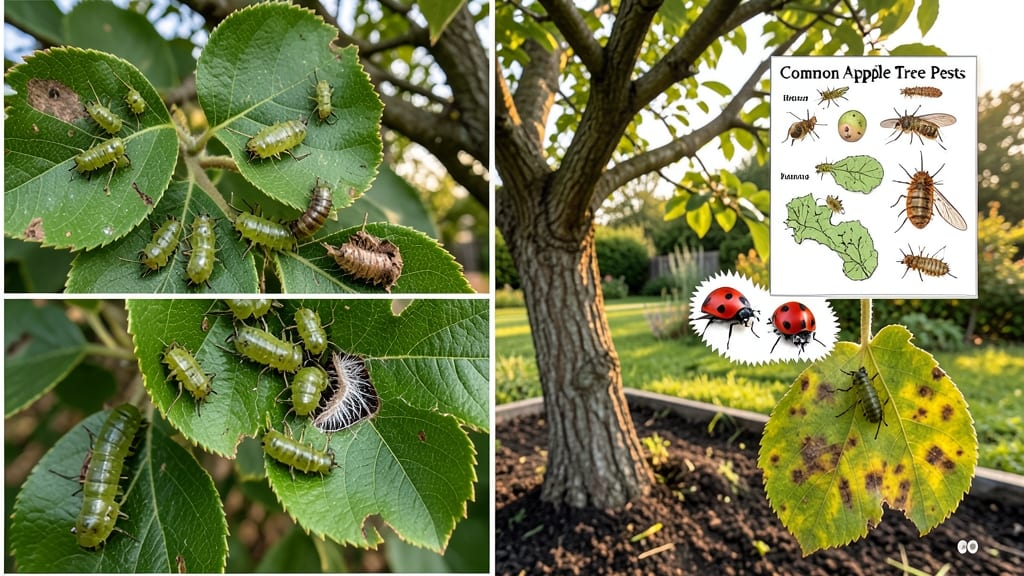
Apple tree leaf pests can turn your harvest into a disappointment faster than you think. 🍏 I’ve watched entire branches yellow and drop because of tiny invaders—aphids, mites, and leafhoppers—that go unnoticed until it’s too late.
The good news? You can spot them early, treat them fast, and keep your tree thriving with simple, effective steps.
These pests don’t just look for weak trees—they target healthy ones too. Aphids cluster on new growth, sucking sap and leaving sticky residue, while mites create fine webbing and speckled leaves.
Leafhoppers, meanwhile, chew edges and leave behind a telltale stippling pattern. The damage adds up quickly, but catching it early means you can stop it before it spreads.
You’ll learn how to identify each pest by their damage, then treat them with organic sprays, neem oil, or targeted insecticides—all without harming your fruit.
Pruning and companion planting also play a huge role in prevention, and I’ll show you exactly how to use them to keep your tree strong all season.
The key is acting fast—once pests take hold, they multiply. But with the right approach, you can protect your tree’s health and keep those apples sweet and bountiful. Let’s get your tree back on track before the next harvest.
Root Causes Of Leaf Damage
Understanding why pests target your apple tree leaves starts with recognizing the perfect storm of conditions they thrive in. These tiny invaders don’t just appear out of nowhere—they’re drawn to specific vulnerabilities in your tree’s health, environment, and even your gardening habits.
Let’s break down the key reasons why your apple tree’s leaves become a pest buffet.
A healthy apple tree has natural defenses, but when its immune system weakens, pests move in like uninvited guests at a dinner party. Here’s why this happens:
- Nutrient Deficiencies 🍃 Leaves lacking essential nutrients (like nitrogen, potassium, or magnesium) become easier targets for pests. For example, a nitrogen deficiency causes pale, yellowing leaves—perfect for aphids to latch onto and feed on sap. Think of it like a weakened human body attracting germs after poor nutrition.
- Stress From Environmental Shocks ❄️☀️ Extreme weather—whether it’s scorching heat, freezing winters, or sudden droughts—stresses the tree. Stressed trees produce less resin and fewer protective compounds, making them more susceptible to pests like mites or scale insects.
- Overwatering Or Poor Drainage 💦 Soggy roots can’t absorb nutrients efficiently, leading to soft, mushy leaves that attract fungal pests (like leaf curl mites) and insects seeking damp hideouts. A soggy leaf is like a spa for soft-bodied pests!
Pests don’t just want to infest your tree—they’re drawn to specific conditions that make your garden their personal paradise. Here’s what’s inviting them over:
- Warm, Humid Microclimates 🌡️ Many apple tree pests (like apple maggots or woolly aphids) thrive in warm, humid environments.
If your tree is shaded, mulched too heavily, or lacks airflow, moisture lingers—creating a pest-friendly sauna. Pro tip: 💡 Thin out dense branches and improve airflow to dry leaves faster.
- Overcrowded Orchards Or Gardens 🏡🌳 Trees planted too close together compete for resources, weakening their defenses. Plus, pests can jump from tree to tree more easily in tight spaces. Imagine a crowded apartment building—diseases and pests spread faster!
- Lack Of Beneficial Predators 🐞⚔️ A balanced ecosystem includes ladybugs, lacewings, and parasitic wasps that naturally control pest populations. If your garden lacks biodiversity (e.g., no ground cover plants or wildflowers), these predators disappear, and pests take over unchecked.
Pests are opportunistic—they return to environments where they’ve had success before. Here’s how past mistakes create future problems:
- Leftover Debris & Fallen Leaves 🍂🪰 Old leaves, fruit mummies, and pruning waste harbor egg-laying pests (like codling moths or sawfly larvae) over winter. If you don’t clean up, next season’s infestation starts before spring even arrives.
- Infected Scion Wood Or Grafts 🌿🔄 If you’ve used contaminated nursery stock or grafts from infected trees, pests and diseases can be unwittingly introduced into your orchard. Always quarantine new plants and inspect them closely!
- Delayed Pest Interventions ⏳🚨 The longer you ignore an infestation, the worse it spreads. For example, apple leafhoppers can multiply exponentially in a single season if left untreated. Early detection (via regular leaf inspections) is key to preventing outbreaks.
🔥 Quick Fix Reminder: The best way to stop pests is to starve them out—remove their food (weak leaves), dry their hideouts (improve airflow), and disrupt their lifecycle (clean up debris yearly). A few proactive steps now can save your tree (and your sanity) later!
How to solve it
When your apple tree’s leaves start looking like a pest’s buffet, don’t panic—there’s a fix for every problem! Below are targeted solutions for the most common leaf pests, from quick remedies to long-term prevention. The key is acting fast and staying consistent. Let’s get those leaves healthy again!
If you spot fine webbing or tiny yellow speckles on the undersides of leaves, spider mites are likely sucking the life out of your tree.
🔥 Immediate Treatment
- Blast them off: Use a strong spray of water (from a hose nozzle) to knock mites off leaves.
Do this in the early morning or evening when mites are less active. - Neem oil spray: Mix 1 tbsp neem oil, 1 tsp mild dish soap, and 1 quart of water.
Spray thoroughly on both leaf surfaces. Reapply every 5–7 days for 2–3 weeks. - Insecticidal soap: Apply a store-bought or homemade solution (2 tbsp soap + 1 quart water) directly to infested areas. Test on a small leaf first to avoid burning tender foliage.
🌡️ Long-Term Prevention
- Encourage predators: Ladybugs and lacewings love mites! Plant marigolds or yarrow nearby to attract them.
- Keep trees hydrated: Mites thrive in dry conditions. Water deeply during droughts.
- Prune regularly: Remove heavily infested branches to reduce mite populations.
Tiny green, black, or pink clusters on new growth? Aphids are feasting on your tree’s sap, leaving behind a sticky residue (aka honeydew) that attracts sooty mold.
🍳 Quick Fixes - Soapy water spray: Mix 1 tsp castile soap in 1 quart of water.
Spray directly on aphids in the early morning. Reapply every 3–4 days. - Blast with water: A gentle hose spray can dislodge aphids from tender shoots. - Introduce beneficial insects: Release ladybugs or lacewings (available at garden centers) to devour aphids naturally.
👨🍳 Proactive Steps
- Reflective mulch: Cover the ground with aluminum foil or reflective plastic to confuse aphids (they dislike bright surfaces).
- Remove debris: Clear fallen leaves and weeds where aphids hide over winter.
- Spray with garlic or chili pepper: Mix 1 chopped garlic clove + 1 tsp cayenne pepper in 1 quart of water.
Strain and spray—aphids hate the smell!
If leaves develop dark, circular spots with yellow halos, fungal diseases like apple scab or powdery mildew are likely to blame. These spread fast in wet, humid conditions.
⏰ Fast Action Plan
- Prune infected leaves: Remove and dispose of (don’t compost) heavily spotted leaves immediately.
- Fungicide spray: Use a copper-based fungicide or a mix of 1 tbsp baking soda, 1 tsp oil (like vegetable or neem), and 1 quart of water.
Spray both sides of leaves every 7–10 days. - Improve airflow: Thin out dense branches to reduce humidity around the tree.
🌡️ Prevention Tips
- Water at the base: Avoid wetting leaves (especially in the evening) to prevent fungal spores from taking hold.
- Mulch properly: Use 2–3 inches of organic mulch (like wood chips) to keep soil moist but not soggy.
- Plant resistant varieties: If fungal issues are chronic, consider disease-resistant apple tree cultivars like ‘Liberty’ or ‘Enterprise.’
Large, irregular holes in leaves or piles of green frass (caterpillar poop)? Tent caterpillars, loopers, or gypsy moth larvae are likely the culprits.
🔪 Rapid Removal
- Handpick larvae: Wear gloves and drop caterpillars into soapy water.
Do this in the early morning when they’re sluggish. - Bt (Bacillus thuringiensis): Spritz leaves with this organic bacteria-based spray, which is harmless to humans but deadly to caterpillars. Reapply after rain. - Neem oil or horticultural oil: Spray a 1% oil solution to suffocate eggs and young larvae.
🎯 Long-Term Control
- Disrupt egg masses: Scrape off and destroy overwintering egg sacs (usually on branches) in late winter/early spring.
- Install barriers: Wrap tree trunks with tree collars to prevent moths from laying eggs.
- Attract birds: Install a bird feeder or bath to encourage natural predators like robins and chickadees.
An ounce of prevention is worth a pound of cure! Here’s how to keep your apple tree’s leaves pest-free year-round:
- 🌱 Healthy soil = healthy tree: Test soil pH and amend with compost to boost tree vigor. Strong trees resist pests better! - 🌿 Regular inspections: Check leaves weekly during growing season.
Early detection = easier fixes. - 🍂 Clean up in fall: Rake and dispose of fallen leaves to remove overwintering pests and eggs. - 🌿 Companion planting: Surround your apple tree with herbs like mint, thyme, or rosemary to repel pests naturally.
With these targeted solutions, your apple tree’s leaves will be back to lush and green in no time. Stay vigilant, and your tree will thank you with a bountiful harvest! 🍏✨
Frequently asked questions about apple tree leaf pests
How do I tell if my apple tree has spider mites vs. aphids?
Look closely: spider mites create fine webbing on leaf undersides and leave tiny yellow speckles (like pepper sprinkles). Aphids, however, form clusters of small green/black/pink bugs on new growth and leave behind a sticky honeydew residue on leaves. Use a magnifying glass for better visibility!
Is neem oil safe to use during apple tree flowering?
No, avoid neem oil when your tree is in full bloom (typically spring). It can harm bees and other pollinators. Wait until after flowering to apply. For immediate aphid control during bloom, use a soapy water spray (1 tsp castile soap per quart of water) instead.
Why do my apple tree leaves turn yellow even after treating pests?
Yellowing leaves often signal nutrient deficiencies (like nitrogen or iron) rather than pests alone. Test your soil and amend with compost. Pests can worsen nutrient loss by damaging roots or leaves, so combine treatments with balanced fertilization (use a 10-10-10 NPK ratio in early spring).
Can I use the same spray for all apple tree pests?
Not exactly. While neem oil works for mites and aphids, caterpillars need Bacillus thuringiensis (Bt), and fungal issues require copper-based fungicides. Always match the treatment to the pest type. For a broad-spectrum approach, rotate sprays (e.g., neem oil one week, insecticidal soap the next).
How often should I inspect my apple tree for pests?
Check leaves weekly during the growing season (spring through fall). Focus on new growth, leaf undersides, and branch crevices—these are pest hotspots. Early detection (like finding aphids before they spread) saves time and effort. Keep a small notebook to track changes over time!