
Pests and Diseases
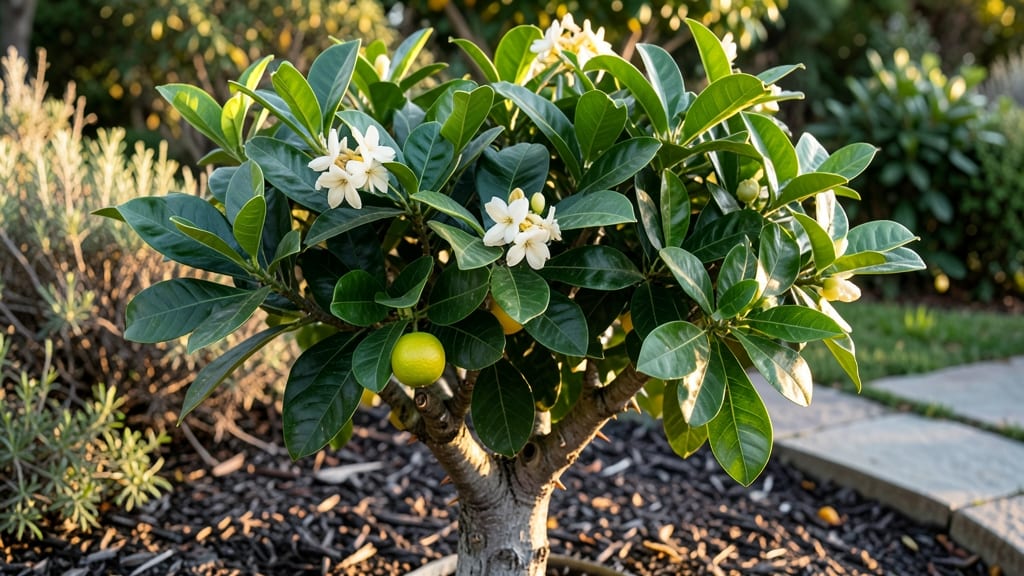
Growing Asian sour leaf means year-round foliage that smells like lime and looks like a tropical dream—even in zones where citrus shouldn’t survive. 🌿 I’ve kept mine thriving through winters that would kill most citrus, and the secret lies in understanding its unique needs beyond just sunlight and water.
This plant isn’t just cold-hardy; it’s stubbornly adaptable. It tolerates partial shade, drought once established, and even urban air pollution—making it perfect for small yards, containers, or neglected corners. The key is replicating its natural habitat’s well-draining soil and occasional humidity boost in dry climates.
By summer, you’ll be harvesting tiny, intensely sour fruits for cooking or admiring the glossy, lime-scented leaves that repel pests naturally. The plant stays compact (3-6 feet tall) and dense, so it doubles as a living privacy screen or fragrant hedge. Confession: I nearly killed mine last winter by overwatering.
The fix? Let the top inch of soil dry between waterings, and mulch heavily in cold months. Here’s how to keep yours lush all year.
📚 In This Guide
- What you need
- Instructions
- Tips and common mistakes
- Wrapping up and next steps
What you need
- ● Asian sour leaf plant: 1 mature plant or 5–10 seeds (for propagation)
- ● Well-draining potting mix: 2–3 gallons (look for a blend with perlite or sand for aeration)
- ● Containers or garden bed: For pots: 6–8-inch diameter containers with drainage holes (2–3 plants per container)
- ● For garden beds: Partial shade with moist, acidic soil (pH 5.5–6.5)
- ● Organic mulch: 1–2 inches of shredded bark or pine needles (to retain moisture)
- ● Gloves: 1 pair (to protect from oxalate crystals—mildly irritating to skin)
- ● Trowel or small shovel: 1 (for planting/seeding)
- ● Spray bottle: 1 (for misting seedlings)
- ○ pH testing kit (optional): 1 (to check soil acidity)
- ○ Pruning shears (optional): 1 (for trimming leggy growth)
- ● Climate: USDA Zones 7–10 (cold-hardy to ~15°F with mulch protection)
- ● Light: Bright, indirect light (2–4 hours of morning sun max)
- ● Water: Keep soil consistently moist but not soggy (drought-tolerant once established)
- ● Patience: Seeds may take 2–4 weeks to germinate!
Step-by-step guide to growing Asian sour leaf as a cold-hardy perennial
Here's how to cultivate this striking foliage plant for vibrant, year-round interest in even chilly climates.
🌱 Step 1: Choose the Right Location for Year-Round Growth
Asian sour leaf thrives in partial shade to full sun—the key is finding a spot that gets at least 4-6 hours of morning sunlight while avoiding harsh afternoon rays, especially in hotter zones. I always scout locations where nearby trees or structures naturally provide afternoon shade. The plant's deep green leaves with striking red veins tolerate USDA zones 5-9, making it perfect for northern gardens.
Test your spot by observing how sunlight shifts throughout the day. If the area stays damp for long periods, amend the soil with 2-3 inches of compost to improve drainage. This plant despises soggy roots, which can lead to root rot even in cold climates. A slightly elevated bed or raised planter works wonders if your yard has heavy clay soil.
☀️ Step 2: Prepare Soil for Optimal Root Development
Asian sour leaf prefers well-draining, fertile soil with a slightly acidic to neutral pH (6.0-7.0). Before planting, mix 3-4 inches of organic compost into the top 12 inches of native soil to improve texture and nutrient availability. I like to add a handful of slow-release fertilizer (10-10-10) at planting time to give roots a nutritional boost for the first growing season.
Work the amendments into the soil until it reaches a crumbly, almost sandy consistency—think of it like mixing cake batter, not packing dirt. Avoid compacting the soil when you're done; instead, gently rake the surface to create a fine, even texture. This helps young roots penetrate easily without resistance.
🪴 Step 3: Plant with Proper Spacing for Airflow
Dig a hole twice as wide as the root ball but only as deep as the container the plant came in. This prevents burying the stem too deeply, which can cause rot. Gently remove the plant from its container and loosen the roots if they're circling tightly. Place it in the hole so the top of the root ball sits level with the surrounding soil—never deeper.
Space plants 18-24 inches apart to allow for airflow, which reduces humidity-related diseases like powdery mildew. Fill the hole with soil, pressing lightly around the edges to eliminate air pockets. Water deeply right after planting to settle the soil and encourage root contact. You'll know it's right when water drains freely from the bottom of the hole without pooling.
💧 Step 4: Establish a Watering Routine for Cold-Hardy Resilience
Water newly planted Asian sour leaf deeply once a week, providing 1-1.5 gallons per plant during the first growing season. The goal is to moisten the soil to a depth of 6-8 inches—check by inserting a screwdriver into the soil. If it goes in easily, you've watered enough. In zones 5-6, reduce watering in winter unless the ground is completely dry.
Mulch around the base with 2-3 inches of shredded bark or wood chips, keeping it 3 inches away from the stem to prevent rot. This mulch layer helps regulate soil temperature, protecting roots from extreme cold snaps. Over time, the mulch will break down, adding organic matter to the soil naturally.
✂️ Step 5: Prune Strategically for Bushier Growth
Prune in early spring before new growth begins to shape the plant and encourage denser foliage. Use clean, sharp pruners to cut back 1/3 of the oldest stems to the ground, making cuts just above a leaf node. This stimulates fresh growth from the base while maintaining the plant's natural shape. Avoid heavy pruning in fall, as the plant needs its foliage to store energy for winter.
Remove any yellowed or damaged leaves throughout the growing season to keep the plant looking its best. Asian sour leaf is incredibly forgiving—even if you skip a pruning cycle, it will bounce back with minimal care. The key is consistency: a little maintenance now means vibrant, lush growth for years to come.
Tips & tricks for perfect Asian sour leaf growth
Took me years to figure out these tricks for keeping Asian sour leaf thriving through all four seasons—here's what nobody tells you about growing this dramatic perennial.
Sunlight Strategy: The 4-6 hours of morning sun requirement is non-negotiable for vibrant foliage, but here's the secret: if your location gets intense afternoon sun, use a sheer fabric shade cloth (50% block) during peak hours (12-4 PM). This protects the delicate leaves from scorching while still allowing light penetration. I've seen plants in full sun without protection develop brown leaf edges within weeks.
Soil Texture Test: Before planting, perform this simple test: grab a handful of your native soil and try to form it into a ball. If it holds together tightly, you need more amendments. The goal is soil that crumbles easily between your fingers—like dry cake mix. This texture prevents compaction and allows roots to spread freely. I've had the best success with a 70/30 mix of native soil to compost by volume.
Watering Depth Check: That 6-8 inch soil moisture target is crucial, but here's how to verify you're doing it right: after watering, insert a metal rod (like a screwdriver) into the soil. If it slides in easily with minimal resistance, you've hit the mark. In clay-heavy soils, you might need to water twice—once to saturate the surface, and again after 30 minutes to reach deeper layers. Overwatering in winter is the #1 cause of root rot in zones 5-6.
Pruning Timing Hack: Early spring pruning (as specified) is ideal, but if you miss that window, don't panic. You can safely prune up to 2 weeks after new growth begins—just avoid cutting back more than 1/3 of the oldest stems at any one time. For maximum bushiness, I recommend a second light pruning in mid-summer to encourage branching. The key is always to cut just above a leaf node to stimulate new growth from that point.
Pro Tips for Asian Sour Leaf
- Took me years to figure out these tricks for keeping Asian sour leaf thriving through all four seasons—here's what nobody tells you about growing this dramatic perennial.
- This protects the delicate leaves from scorching while still allowing light penetration.
- Soil Texture Test: Before planting, perform this simple test: grab a handful of your native soil and try to form it into a ball.
Frequently asked questions
about Asian sour leaf (Oxalis triangularis) can help you troubleshoot common issues and optimize care. Here are answers to the most pressing questions:Is Asian sour leaf really cold-hardy?
Yes! This plant thrives in USDA Zones 7-11 and can handle light frosts down to 20°F (-6°C). In colder zones, mulch heavily in winter to protect roots. Just avoid soggy soil—drainage is key! Pro tip: If leaves yellow in winter, it’s likely dormancy, not damage.
Why are my leaves curling or spotted?
Curling or spots usually signal pests (aphids, spider mites) or fungal issues like powdery mildew. Isolate the plant and wipe leaves with neem oil or insecticidal soap. For mildew, improve airflow and avoid overhead watering. Yellow leaves? Check for overwatering or root rot.
Can I grow Asian sour leaf indoors year-round?
Place it near a bright, indirect window (east or north-facing works best). Use a well-draining pot and water only when the top inch of soil is dry. Growth may slow in winter—supplement with a balanced fertilizer (diluted) every 2-3 months.
What’s the best alternative if I can’t find Asian sour leaf?
Try these low-maintenance, cold-tolerant alternatives:
- Heuchera (Coral Bells) – Vibrant foliage, shade-loving
- Hellebore (Lenten Rose) – Winter blooms, deer-resistant
- Japanese Painted Fern – Hardy and drought-tolerant
- Sedum (Stonecrop) – Succulent-like, thrives in poor soil
My plant’s leaves are turning brown—what’s wrong?
Brown edges or tips usually mean underwatering or fluoride-sensitive tap water. Switch to rainwater or distilled water and adjust your watering schedule. If only the tips brown, trim them off and reduce fertilizer. Overwatering? Yellowing + mushy stems = root rot—repot in fresh, dry soil.
How often should I fertilize Asian sour leaf?
Feed lightly once in spring (when new growth starts) with a balanced 10-10-10 fertilizer. Skip fertilizer in winter or drought—this plant prefers nutrient-poor, well-draining soil. Too much fertilizer = leggy growth and fewer vibrant leaves. Pro tip: Compost around the base in fall for slow-release nutrients.
Wrapping up and next steps
Discovering the Asian sour leaf plant isn’t just about adding a bold, tangy touch to your garden—it’s about embracing a resilient, low-maintenance superstar that thrives even in cooler climates. 🌿 From battling pests like aphids with natural remedies to preventing fungal diseases with proper spacing, you now have the tools to keep this plant flourishing year-round.
Whether you’re a seasoned gardener or just starting, its cold-hardy nature and vibrant foliage make it a rewarding addition.
Ready to level up your garden game? Start by planting one (or a few!) Asian sour leaf plants this season and watch your outdoor space transform. Share your progress or tag us—we’d love to see your foliage drama in action! 🌟