
Diseases
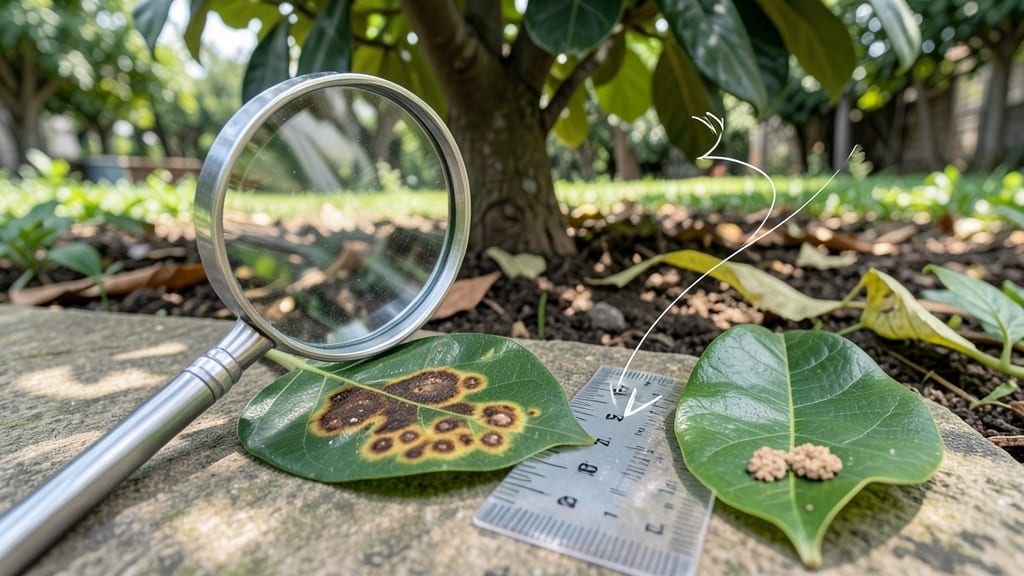
Your avocado tree’s leaves are the first warning system for trouble, but the pictures of avocado leaf diseases you need to recognize can make all the difference—yellow spots, black edges, or weird patches mean it’s time to act. 🌿 I’ve seen firsthand how quickly fungal spots or bacterial rot can turn a healthy tree into a struggling one, but catching these diseases early makes all the difference.
This guide shows you exactly what to look for, from powdery mildew to anthracnose, so you can treat it before it spreads.
Most leaf diseases start with poor airflow, overwatering, or stress from pests. I’ve treated my own trees by pruning crowded branches, adjusting watering schedules, and applying neem oil or copper fungicide at the first sign of trouble.
The key is acting fast—once those dark spots appear, the damage is already spreading. But with the right tools and timing, you can save your tree before it’s too late.
You’ll learn to spot the early warning signs—like tiny yellow specks or soft, mushy patches—and how to treat them with organic or chemical solutions, depending on the severity.
By the end, you’ll feel confident diagnosing problems and stopping them before they ruin your harvest. No more guessing what’s wrong with your avocado tree’s leaves!
This works for any avocado variety, whether you’re growing in containers or in the ground. The same principles apply whether you’re dealing with a young tree or a mature one. Let’s get those leaves healthy again—your tree will thank you with stronger growth and better fruit.
Underlying Causes Of Leaf Issues
Avocado trees are prized for their lush, vibrant foliage—but when leaves start showing signs of distress, it’s often a cry for help from the tree itself. Understanding why avocado leaf diseases develop is the first step to preventing them.
Below, we break down the most common culprits, backed by science and actionable insights.
Extreme or inconsistent conditions can weaken avocado trees, making them vulnerable to pathogens. Here’s how:
- Temperature Fluctuations:
Avocados thrive in USDA Zones 9-11, where temperatures stay between 60°F–85°F (15°C–29°C). Sudden cold snaps (<40°F/4°C) or heatwaves (>95°F/35°C) shock the tree, reducing its ability to fight off infections. Cold stress can cause leaf discoloration (brown or purple patches), while heat stress leads to scorch marks or premature leaf drop.
💡 Pro Tip: Use shade cloth in summer and windbreaks in winter to buffer temperature swings. - Poor Air Circulation:
Dense foliage or overcrowded plantings trap humidity, creating the perfect breeding ground for fungal spores (like Phytophthora or Colletotrichum). Stagnant air also slows drying after rain, prolonging moisture on leaves—ideal for bacterial leaf spot or anthracnose.
🌡️ Actionable Fix: Prune to open the canopy and space trees 15–20 feet apart for airflow. - Water Stress:
Avocados hate soggy or bone-dry soil. Overwatering leads to root rot (Phytophthora cinnamomi), which starves leaves of nutrients, causing yellowing (chlorosis) or blackened edges. Underwatering triggers wilting and crispy leaf edges due to physiological drought stress.
🔥 Key Rule: Water deeply 1–2 times per week (depending on climate) and check soil moisture 3 inches down—it should feel like a damp sponge, not mud or dust.
Fungi, bacteria, and viruses are the top villains behind avocado leaf diseases. Each exploits a specific weakness:
| Disease | Causal Agent | How It Starts | Trigger Conditions |
|---|---|---|---|
| Avocado Root Rot | Phytophthora cinnamomi (fungus) | Invades roots, blocking water/nutrient uptake. Leaves turn yellow, then brown, and drop. | Waterlogged soil, poor drainage, or contaminated tools. |
| Anthracnose | Colletotrichum gloeosporioides (fungus) | Creates dark, sunken spots with pinkish centers. Spreads via rain or splashing water. | High humidity (>80%), wet foliage for >48 hours. |
| Bacterial Leaf Spot | Xanthomonas campestris (bacteria) | Produces greasy, water-soaked spots that turn brown and crusty. Spreads through pruning tools. | Warm, rainy weather (75–85°F/24–29°C) and open wounds. |
| Avocado Scab | Elsinoë avocado (fungus) | Causes raised, corky lesions on leaves and fruit. Reduces photosynthesis. | Cool, wet springs (50–70°F/10–21°C) with frequent leaf wetness. |
🔥 Critical Note: Many pathogens hitchhike on tools, wind, or splashing water. Always sterilize pruners with 70% rubbing alcohol between cuts, and avoid overhead irrigation.
Leaves scream for help when they’re starved of essential nutrients. Here’s what’s missing—and how to spot it:
- Nitrogen (N) Deficiency:
Symptoms: Pale green or yellow leaves (starting at the bottom), stunted growth.
Why It Happens: Nitrogen fuels leaf production. Poor soil, overpruning, or leaching (from heavy rain) deplete it.
💡 Fix: Apply compost or blood meal in spring, or use a balanced 10-10-10 fertilizer. - Magnesium (Mg) Deficiency:
Symptoms: Interveinal chlorosis (yellowing between veins), crispy edges.
Why It Happens: Avocados need Mg for chlorophyll. Calcium-rich soil or high pH (>7.0) locks it out.
✨ Solution: Test soil pH (ideal: 6.0–6.5) and amend with Epsom salt (1 tbsp/gallon of water). - Zinc (Zn) Deficiency:
Symptoms: Small, distorted leaves with white streaks ("little leaf" syndrome).
Why It Happens: Common in sandy or alkaline soils. Avocados can’t absorb Zn when soil pH >6.5.
🎯 Quick Fix: Sprinkle zinc sulfate around the drip line and water in.
📊 Soil Test Tip: Send a sample to a lab to check for deficiencies before guessing. Many "diseases" are actually correctable nutrient imbalances!
By tackling these root causes—whether environmental, pathogenic, or nutritional—you’ll give your avocado tree the best shot at staying healthy and disease-free. Next up: How to Treat and Prevent these issues before they worsen.
Fixing Avocado Leaf Diseases Fast
Avocado trees are resilient, but when diseases strike, quick action can save your harvest—and your tree! Below are practical, step-by-step solutions tailored to the most common avocado leaf diseases, plus prevention tips to keep your tree thriving. 🌿🛡️
Causes: Overwatering, poor airflow, or contaminated tools. Fix It:
1. Prune for Better Airflow 🌬️
- Remove crowded or dead branches to improve circulation.
- Focus on inner leaves where humidity traps spores.
- Pro Tip: Sterilize pruners with 70% isopropyl alcohol between cuts to prevent spreading.
2. Apply Fungicide (Organic or Chemical)
- Neem oil spray (1 tsp per liter of water) – prevents fungal spores from germinating.
- Copper-based fungicides (like Bordeaux mixture) – kills existing infections.
- When to spray: Early morning or evening to avoid leaf burn from sunlight.
3. Adjust Watering Habits 💧
- Water at the base (not overhead) to keep leaves dry.
- Avoid soggy soil—test with your finger: if the top 2 inches are damp, wait to water.
4. Remove & Destroy Infected Leaves 🔥
- Bag and trash severely infected leaves immediately (don’t compost!).
- Bonus: Disinfect garden tools with bleach solution (1:10 bleach-to-water) after use.
Causes: Wounds, contaminated tools, or splashing water. Fix It:
1. Prune & Sterilize Aggressively ⚔️
- Cut out all infected leaves/branches (bacteria spreads fast!).
- Dip pruners in rubbing alcohol between cuts.
- Warning: Do not compost infected plant material—burn or trash it.
2. Use Copper Sprays for Prevention 🛡️
- Copper fungicide (like Cueva) disrupts bacterial cell walls.
- Apply every 7–10 days during wet seasons.
3. Improve Drainage & Soil Health 🌱
- Amend soil with compost or perlite to prevent waterlogging.
- Mulch around the base (but keep 6 inches away from the trunk) to reduce splashing.
4. Avoid Overhead Watering 🚫💦
- Use a drip irrigation system or soaker hose to keep leaves dry.
- Water early in the day so foliage dries quickly.
Causes: Weak trees, poor hygiene, or lack of natural predators. Fix It:
1. Blast Off Pests with Water 💦🔥
- Spray leaves with a strong hose (1–2 times a week) to knock off mites/scale.
- Best time: Early morning for maximum effectiveness.
2. Introduce Beneficial Insects 🐞🦋
- Ladybugs, lacewings, or predatory mites eat avocado pests naturally.
- Buy from garden centers or release them at dusk when pests are active.
3. Apply Horticultural Oil or Soap Spray 🧼
- Mix 1 tbsp mild dish soap + 1 quart water (or use horticultural oil).
- Spray undersides of leaves where pests hide.
- Repeat every 5–7 days until pests are gone.
4. Strengthen the Tree’s Defenses 💪
- Fertilize with balanced NPK (10-10-10) to boost immunity.
- Avoid over-fertilizing nitrogen—it attracts soft-bodied pests.
Causes: Sudden temperature shifts, lack of shade. Fix It:
1. Provide Temporary Shade ☀️🛡️
- Use shade cloth (30–50%) during peak sun (10 AM–4 PM).
- Plant fast-growing shade trees (like moringa or banana) nearby for long-term relief.
2. Mulch Heavily to Regulate Soil Temp 🌡️
- Apply 4–6 inches of mulch (wood chips or straw) to keep roots cool.
- Avoid plastic mulch—it traps heat and worsens stress.
3. Water Deeply During Heatwaves 💧⏰
- Water at dawn (not dusk) to reduce evaporation.
- Soak the root zone (1–2 feet deep) every 2–3 days in extreme heat.
4. Avoid Fertilizing in Heat ❄️🌱
- Stop fertilizing until temps drop below 90°F (32°C)—burned roots = stressed leaves.
- Inspect leaves weekly—catch problems early! (📸 Take pictures for diagnosis.)
- Rotate pruning tools to prevent cross-contamination.
- Space trees 15–20 ft apart for airflow.
- Test soil pH (ideal: 6.0–7.0)—extremes invite diseases.
- Plant disease-resistant varieties (like Hass or Fuerte).
Remember: The key is speed + consistency. Act at the first sign of trouble, and your avocado tree will bounce back stronger! 🌟🍈
Frequently asked questions
How can I tell if my avocado tree has a fungal disease just by looking at the leaves?
Look for dark, velvety spots (like powdery mildew) or sunken, crusty lesions (anthracnose). Fungal diseases often start as tiny specks that spread with a fuzzy or powdery texture. Check the undersides of leaves—many fungi thrive there first. If spots have a pinkish or grayish center, it’s likely fungal.
What’s the difference between bacterial spots and fungal spots on avocado leaves?
Bacterial spots appear greasy and water-soaked at first, then turn brown with crusty edges. Fungal spots often have raised edges or powdery growth. Bacterial infections spread faster in warm, wet weather, while fungi thrive in humid conditions. Use a magnifying glass to check for fuzzy textures—fungi love those!
Can I save my avocado tree if the leaves are already completely black and crispy?
It depends! If only a few leaves are affected, prune them immediately and check for root rot (dig gently near the base). If the trunk feels soft or the tree is wilted, the disease may have spread too far. For severe cases, consult a local arborist—sometimes replanting is the only option. Act fast to save the rest of the tree!
How often should I spray my avocado tree with neem oil to prevent diseases?
Apply neem oil every 2–4 weeks during growing season (spring/fall) or weekly if you’ve already spotted early signs. Mix 1 tsp per liter of water and spray in the evening to avoid leaf burn. Stop spraying if temps drop below 50°F (10°C)
Why do my avocado leaves turn yellow even when I’m watering regularly?
Yellow leaves often signal nutrient deficiencies (like nitrogen or magnesium) or root rot from overwatering. Check soil moisture—if it’s soggy, reduce watering. For yellowing between veins, try Epsom salt (1 tbsp/gallon) for magnesium. If roots smell foul, you’ve got root rot—prune affected roots and improve drainage immediately.