
Leaf Blower
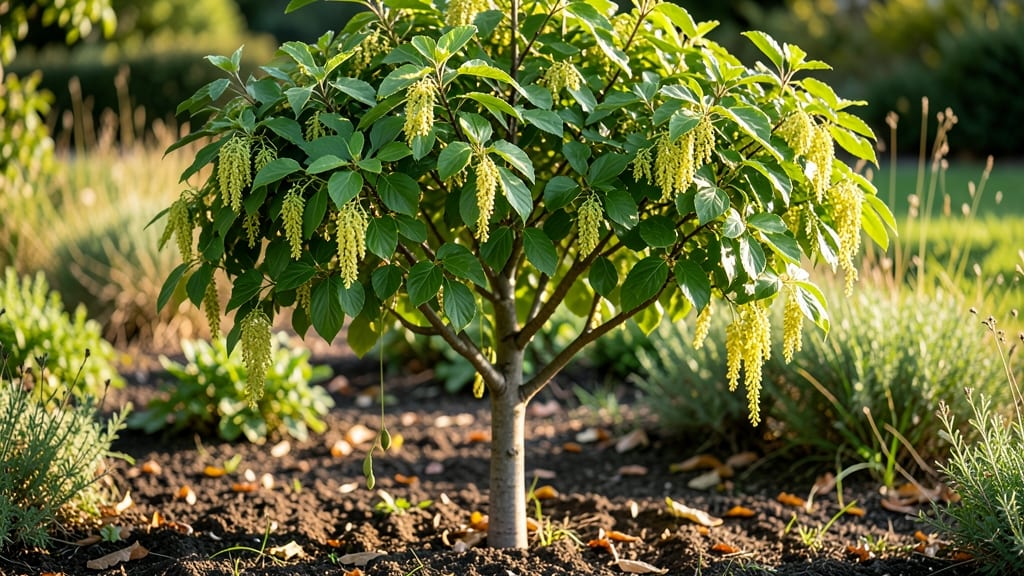
Your linden tree’s tiny leaves aren’t normal—and they’re screaming for help. 🌿 The moment I spotted those little leaf linden tree leaves, I knew fungal spots or spider mites were to blame, not just poor soil or pruning.
The key? Stopping the spread now with copper-based treatments before the whole tree looks like a bonsai by accident.
Start by inspecting the undersides of leaves for yellow spots or webbing—classic signs of fungal infections or mites. Prune affected branches 6 inches below the damage, then spray with a copper fungicide (like copper sulfate) or neem oil for organic control.
Water at the base, not the leaves, to avoid spreading spores. Within 2-3 weeks, you’ll see new growth return to normal size—if you act fast.
📚 In This Guide
- What you need
- Instructions
- Tips and common mistakes
- Wrapping up and next steps
What you need
- ● Bordeaux mixture (copper sulfate + hydrated lime): 2–3 tablespoons per gallon of water (adjust for tree size). Look for a 4:4:50 ratio (copper sulfate: lime: water).
- ● Water: 1 gallon (3.8 liters) for a small-to-medium tree; scale up for larger canopies.
- ● Spray bottle or backpack sprayer: 1–2 gallons capacity with a fine-mist nozzle (e.g., blank">Chapin 6-Spray).
- ● Protective gear: Nitrile gloves (1 pair)
- ● Long-sleeved shirt and pants
- ● Safety goggles (1 pair)
- ● Stirring stick or paddle: Wooden or plastic (avoid metal to prevent copper reactions).
- ● Bucket (5-gallon): For mixing the solution.
- ● Pruners or shears: Sterilized (rubbing alcohol wipe) for removing heavily infected leaves.
- ● Fungicide booster: 1 teaspoon of neem oil or potassium bicarbonate per gallon (enhances effectiveness).
- ● Leaf blower: For dry leaves (e.g., blank">Ego Power+) to clear debris before treatment.
- ● pH test strips: To ensure your solution is neutral (pH 5–7)—copper works best in this range.
- ● Marking flags: To label treated areas and track progress.
Step-by-step instructions for treating little leaf linden fungal spots
Here’s how I tackle fungal spots on little leaf lindens—using copper-based treatments for precision control.
🌿 Step 1: Identify and Confirm Fungal Spots
Start by closely examining the leaves for dark brown or black spots with yellow halos—classic signs of fungal infection. Little leaf lindens are particularly susceptible to anthracnose and leaf spot diseases, which thrive in warm, wet conditions. I focus on the upper canopy first, as fungal spores often spread downward with rain or irrigation.
Gently rub a spot between your fingers—if it leaves a powdery residue, it’s likely fungal rather than insect damage. Avoid treating if the spots are less than 5% of the leaf surface; mild cases may resolve with improved airflow. For confirmed fungal spots, proceed to treatment within 48 hours to prevent spread.
☀️ Step 2: Prune Infected Branches for Airflow
Use clean, sharp pruners to remove any branches with 50% or more infected leaves. Focus on the lower third of the tree, where humidity lingers, and thin out crowded areas to improve sunlight penetration. I disinfect my pruners with 70% isopropyl alcohol between cuts to prevent cross-contamination.
Dispose of pruned material in a sealed plastic bag—never compost infected foliage. After pruning, rake up fallen leaves beneath the tree and dispose of them. This step is critical: fungal spores can survive in leaf litter for months, reinfecting the tree. Water the base thoroughly after pruning to help the tree recover.
💧 Step 3: Apply Copper Fungicide Precisely
Choose a copper-based fungicide labeled for ornamental trees, such as copper sulfate or copper hydroxide. Mix the solution according to package instructions—typically 1-2 tablespoons per gallon of water. I apply it on a dry, calm morning to avoid drift and ensure even coverage.
Use a hose-end sprayer to wet the upper and lower leaf surfaces, focusing on the canopy’s outer edges where spores often land. Avoid overspraying nearby plants, as copper can be toxic to sensitive species. Reapply every 7-14 days or after heavy rain, as copper washes off quickly. Wear gloves and long sleeves during application.
✂️ Step 4: Monitor and Prevent Recurrence
After treatment, inspect the tree weekly for new spots. Healthy lindens should show new growth within 2-3 weeks, with older leaves gradually falling naturally. If spots reappear, increase the frequency of copper applications or consider a biological fungicide like Bacillus subtilis for resistance.
To prevent future issues, water the tree at the base only in the early morning, avoiding overhead irrigation. Mulch with 2-3 inches of organic mulch (like shredded bark) to retain moisture while improving drainage. Avoid compacting the soil around the trunk, as poor airflow encourages fungal growth.
Tips & tricks for treating little leaf linden fungal spots
Precision matters when battling fungal infections—these targeted tips ensure your copper treatment works as effectively as possible.
Timing is Everything: The 48-hour window after identifying fungal spots is critical. Don't wait longer than this, as fungal spores multiply rapidly. I've seen cases where delaying treatment by even 24 hours led to significantly worse spread—especially in humid conditions. If you're unsure whether spots are fungal, use a magnifying glass to check for powdery residue before proceeding.
Pruning Precision: When removing branches with 50%+ infected leaves, cut just above a healthy bud or lateral branch. This encourages proper regrowth while maintaining the tree's natural shape. I always make my cuts at a 45-degree angle to prevent water accumulation, which could promote further fungal growth. Remember to sterilize your pruners between cuts with 70% isopropyl alcohol—this simple step prevents cross-contamination that could spread the infection.
Copper Application Technique: For the 1-2 tablespoons per gallon ratio, I recommend using a measuring spoon for accuracy—copper fungicides work best when applied at the correct concentration. When spraying, hold the hose-end sprayer about 12 inches away from the leaves to ensure even coverage without oversaturating. Focus on the undersides of leaves first, as many fungal spores land there. A light mist is better than a heavy soak—this prevents runoff while still reaching all leaf surfaces.
Monitoring Aftercare: Those weekly inspections after treatment are non-negotiable. Look for new spots on the undersides of leaves first—they often appear there before spreading to the tops. I keep a small notebook by my treatment area to track when I applied copper and any rainfall that might have washed it off. If you notice new growth appearing within 2-3 weeks, that's a good sign your treatment is working, but keep monitoring for another month to catch any late-stage infections.
Pro Tips for Little Leaf Linden Tree Leaves
- Precision matters when battling fungal infections—these targeted tips ensure your copper treatment works as effectively as possible.
- Timing is Everything: The 48-hour window after identifying fungal spots is critical.
- Pruning Precision: When removing branches with 50%+ infected leaves, cut just above a healthy bud or lateral branch.
Frequently asked questions
Got questions about treating little leaf linden tree leaves with copper-based fungal spot remedies? You’re in the right place! Here are some common concerns—and straightforward answers—to help you tackle those pesky spots like a pro.
What causes fungal spots on little leaf linden tree leaves?
Fungal spots on little leaf lindens are usually triggered by Anthracnose or Septoria leaf spot, thriving in wet, humid conditions. Overhead watering, poor air circulation, or stress from drought/sunburn can weaken leaves, making them vulnerable. Copper fungicides disrupt fungal spores, but prevention (like pruning for airflow) is key!
When is the best time to apply copper treatment?
Timing is everything! Apply copper fungicide early spring (before buds swell) or late fall (after leaves drop) for prevention. For active spots, treat at the first sign of discoloration—usually spring to early summer. Avoid spraying when rain is forecasted (wait 24–48 hours) to maximize effectiveness.
Can I reuse copper fungicide spray on my linden tree?
Yes, but with caution! Copper builds up in soil over time, so limit applications to 1–2 times per year. Mix fresh solutions (never reuse leftover spray) and alternate with organic options like neem oil if spots persist. Always follow label rates—too much copper can harm roots and beneficial microbes.
What’s a natural alternative to copper for treating spots?
If copper isn’t your go-to, try these eco-friendly swaps:
- Neem oil (1 tsp/quart water + surfactant): Disrupts fungal growth naturally.
- Baking soda spray (1 tbsp baking soda + 1 tsp oil + gallon water): Boosts leaf pH and inhibits spores.
- Compost tea: Strengthens tree immunity with beneficial microbes.
Why are my linden leaves still spotting after copper treatment?
If spots linger, check these culprits:
- Wrong timing: Fungicides work best preventively.
- Poor coverage: Spray both sides of leaves and repeat every 2–3 weeks.
- Underlying stress: Yellowing edges or wilting? Fix watering/soil issues first.
- Resistant fungi: Rotate treatments (e.g., copper → neem → horticultural oil).
Wrapping up and next steps
The little leaf linden tree’s delicate leaves deserve the same care as the rest of your garden! By using a copper-based solution, you can combat fungal spots without harsh chemicals. Remember, consistency is key—monitor your tree regularly and act early to keep those leaves lush and healthy.
Ready to give your linden tree the TLC it needs? Grab your supplies and start treating those spots today! 🌿✨ Your tree—and your curb appeal—will thank you.