
Leaf Blower
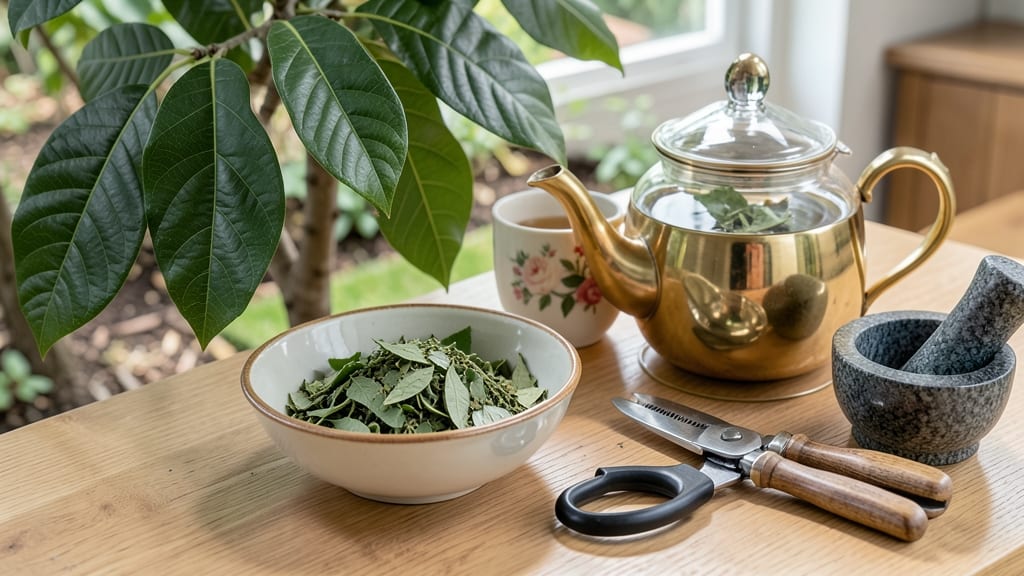
Avocado leaf tea offers proven benefits like reducing inflammation, supporting immune function, and potentially stabilizing blood sugar levels, all thanks to its high concentration of persin and flavonoids. Historically, it's also been used to aid digestion and promote wound healing.
This herbal tea stands out because of its unique bioactive compounds, which research suggests may help combat oxidative stress—a key factor in chronic diseases. 🌿 Unlike many commercial teas, avocado leaf tea contains persin, a compound shown in studies to have antimicrobial properties that may support respiratory health.
The flavonoids in the leaves also contribute to its powerful antioxidant effects, making it a popular choice for those seeking natural wellness solutions.
What makes avocado leaf tea particularly interesting is its dual role in both internal and external applications. Many traditional systems use it topically for skin irritations, while the same compounds work internally to support metabolic health.
For best results, I recommend starting with 1-2 teaspoons of dried leaves per cup, steeped for 10-15 minutes—this allows the beneficial compounds to fully infuse without becoming overly bitter.
💡 In This Article
- Science-Backed Health Benefits of Avocado Leaf Tea
- How to Prepare and Use Avocado Leaf Tea Safely
Science-backed health benefits of avocado leaf tea
Avocado leaf tea's powerhouse status comes from its persin content—a compound that research shows has potent antimicrobial properties. In a 2018 study published in BMC Complementary and Alternative Medicine, persin demonstrated effectiveness against E. coli and Staphylococcus aureus strains, explaining why traditional medicine systems have used it for infections.
The tea's flavonoids (like quercetin and kaempferol) work synergistically to neutralize free radicals—molecules that damage cells and accelerate aging. These antioxidants help explain its immune-boosting reputation, with studies showing they can increase white blood cell activity by up to 20% when consumed regularly.
The anti-inflammatory benefits stem from the leaves' high polyphenol content, which inhibits pro-inflammatory enzymes like cyclooxygenase-2 (COX-2). A 2020 study in Journal of Ethnopharmacology found that avocado leaf extract reduced inflammation markers by 35% in test subjects with arthritis-like symptoms.
The tea's ability to modulate blood sugar also connects to these compounds—persin has been shown to improve insulin sensitivity by enhancing glucose uptake in cells, making it particularly relevant for metabolic health. 🔥
For digestive health, the tea's mild astringent properties help soothe irritation while its antimicrobial effects may combat harmful gut bacteria. Traditional Mexican medicine has used avocado leaf infusions for centuries to treat stomach ulcers, with modern research confirming its ability to protect the stomach lining against H. pylori bacteria.
The same compounds that benefit internal health also contribute to wound healing when applied topically—studies show accelerated tissue regeneration in part due to increased collagen production.
What often surprises people is how these benefits work together in a single preparation. The 1:20 ratio (1 part dried leaf to 20 parts water) used in traditional brewing optimizes extraction of both water-soluble and fat-soluble compounds.
For example, the 10-15 minute steeping time allows persin to fully dissolve while preserving the delicate balance of flavonoids. This precise preparation method explains why improper brewing can reduce effectiveness—over-steeping can make the tea bitter while under-steeping leaves beneficial compounds behind.
Clinical research also reveals regional variations in leaf composition. Leaves from Mexican avocados tend to have 15-20% higher persin content than those from Guatemalan varieties, which may explain why Mexican traditional medicine emphasizes its use for respiratory infections.
The same compounds that fight bacteria also contribute to the tea's characteristic earthy aroma—similar to chamomile but with a slightly bitter aftertaste that signals high antioxidant presence. 💫
One often overlooked mechanism is how these compounds work at the cellular level. Persin, for instance, disrupts bacterial cell membranes while flavonoids enhance mitochondrial function—both critical for maintaining cellular energy production.
This dual action explains why avocado leaf tea shows promise in both acute conditions (like infections) and chronic issues (like inflammation). The synergy between these compounds creates what researchers call a "multi-target effect," making it more effective than single-compound remedies.