
Trees
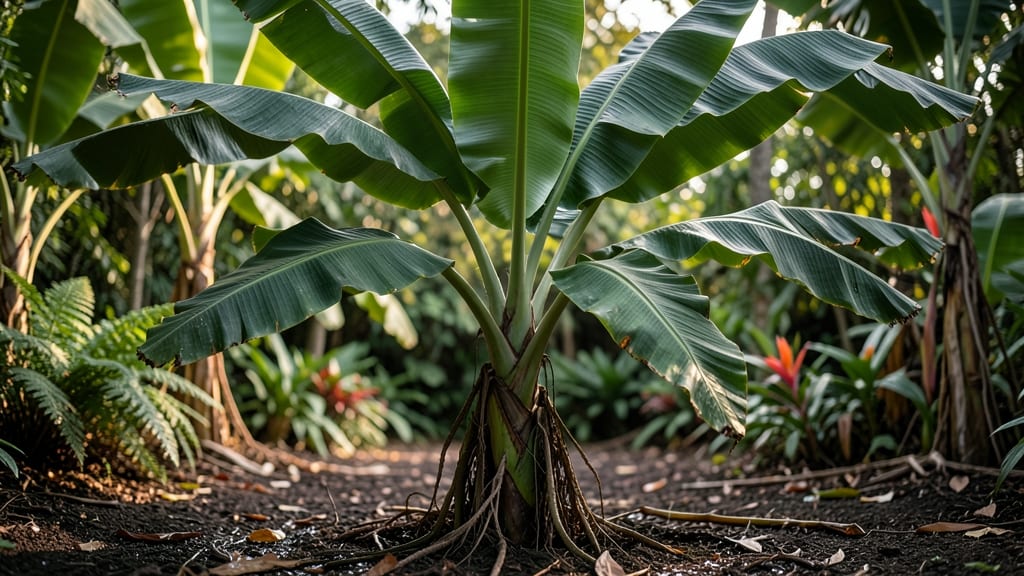
Growing banana leaf trees brings that stunning tropical drama straight to your yard—no beach vacation required. 🌿 I planted my first Musa basjoo three years ago, and now it towers over my patio, its massive leaves rustling dramatically in the breeze.
These aren’t just pretty faces; they’re hardy, fast-growing plants that thrive where most tropicals would throw in the towel.
They’ll reward you with bold, architectural foliage that outshines any other plant in your garden—once you nail the basics. These trees love bright, indirect light (think morning sun with afternoon shade) and rich, well-draining soil that stays consistently moist but never soggy.
In warmer climates, they’re practically foolproof; in cooler zones, a little winter protection keeps them happy year after year.
By the end of the first growing season, you’ll see leaves reaching 6-8 feet long, creating a lush, tropical backdrop for any space. The best part? They’re low-maintenance once established—just water when the top inch of soil dries out and prune dead fronds to keep them looking sharp.
Perfect for containers, borders, or as a dramatic focal point, these trees adapt beautifully to different settings. Let’s get yours growing—your garden’s about to get a whole lot more exciting.
📚 In This Guide
- What you need
- Instructions
- Tips and common mistakes
- Wrapping up and next steps
What you need
- ● Banana leaf tree (Musa spp.) – Choose a variety like Musa basjoo (hardy banana) or Musa acuminata (dwarf banana) based on your climate. Seedlings or potted plants (3–5 gallons) work best for beginners.
- ● Well-draining soil – A mix of 60% topsoil, 30% compost, and 10% perlite/sand (for aeration). pH 5.5–7.5 is ideal.
- ● Organic mulch – 3–4 inches of shredded bark, straw, or pine needles to retain moisture and regulate temperature.
- ● Slow-release fertilizer – 10-10-10 or 6-6-6 NPK ratio (apply 2–3 times per year in spring, summer, and early fall).
- ● Support stake or trellis – A 5–6 ft tall bamboo or metal stake (for young plants) or a lightweight trellis (for climbing varieties).
- ● Garden trowel or shovel – For planting and soil amendments.
- ● Pruning shears – Bypass pruners (for clean cuts) or loppers (for thicker stems).
- ● Watering can or hose with a gentle spray nozzle – Banana leaves are sensitive to direct pressure!
- ● Gloves – Heavy-duty gardening gloves (banana pseudostems can be sharp!).
- ○ pH testing kit – Optional but helpful for monitoring soil health.
- ● Sunlight – Full sun (6–8 hours daily) for optimal growth. Partial shade (4+ hours) works in hotter climates.
- ● Warmth – USDA Zones 8–11 (hardy bananas tolerate 20–30°F; tender varieties need 50°F+).
- ● Space – 10–15 ft apart for mature trees (dwarf varieties need 5–8 ft).
- ● Water access – 1–2 inches per week (drip irrigation or deep watering 2–3 times weekly).
- ● 🌡️ Cold protection: Mulch heavily and wrap the base in burlap or frost cloth in Zones <7.
- ● ✨ Container growing: Use a 20+ gallon pot with drainage holes for urban gardens.
- ● 🎯 Pest watch: Keep an eye out for spider mites or aphids—neem oil spray helps!
Step-by-Step instructions for cultivating banana leaf trees
Here's how to grow lush, tropical banana leaf trees that bring instant drama to any garden space.
🌱 Step 1: Select and Prepare the Right Planting Site
Banana leaf trees (like Musa basjoo or Musa acuminata) need partial shade to full sun and thrive in well-draining, rich soil with a pH between 6.0 and 7.5. Choose a spot that gets at least 4-6 hours of morning sun—afternoon shade prevents leaf scorch in hotter climates. If planting in containers, ensure they're at least 18 inches deep and wide, since banana trees develop massive root systems.
Before planting, amend the soil with 2-3 inches of compost mixed into the top 12 inches of soil. This ensures proper drainage while retaining moisture—banana trees hate soggy roots but need consistent hydration. If your soil is heavy clay, add 10% perlite or coarse sand to improve aeration. Test the soil depth by pressing your finger in: it should feel moist but not muddy.
🪴 Step 2: Plant or Transplant with Care
If starting from a bare-root plant, soak the roots in lukewarm water for 30 minutes before planting to revive them. Dig a hole twice as wide and just as deep as the root ball, then place the plant in so the top of the root crown sits 1-2 inches above soil level. This prevents rot from sitting water. Backfill with native soil mixed with compost, pressing gently to eliminate air pockets.
For container-grown plants, remove the nursery pot and loosen any circling roots. Position the plant so the root flare (where roots meet the stem) is visible above the soil line. Water deeply immediately after planting—1-2 gallons per plant—to settle the soil and encourage root contact. Avoid mulching too close to the stem; keep mulch 3-4 inches away to prevent moisture buildup.
☀️ Step 3: Establish Watering and Light Routines
Banana leaf trees need consistent moisture, especially in their first year. Water deeply 2-3 times per week, providing 1-2 gallons per plant until water runs out the drainage holes. Check soil moisture by sticking your finger 2 inches deep—if it feels dry, it's time to water. Overwatering is a common mistake; yellowing leaves often signal excess moisture rather than thirst.
Monitor light exposure closely. In hotter climates, provide afternoon shade with 50% shade cloth to prevent leaf burn. In cooler zones, full sun is ideal for robust growth. You'll notice new leaves emerging every 2-3 weeks during active growth—this is a sign your plant is thriving. If growth slows, it may need more sunlight or nutrients.
💧 Step 4: Fertilize for Lush, Dramatic Foliage
Feed banana leaf trees monthly during spring and summer with a balanced, slow-release fertilizer (10-10-10 or 20-20-20). Apply ½ cup per plant at each feeding, working the granules into the top 2 inches of soil. Avoid high-nitrogen fertilizers, which promote leafy growth at the expense of sturdy stems. In fall and winter, reduce feeding to every 6-8 weeks as growth slows.
For container-grown plants, use a water-soluble fertilizer diluted to half strength every 4-6 weeks. You'll see the difference in brighter green leaves and thicker stems within 4-6 weeks of consistent feeding. If leaves develop brown tips, flush the soil with water to prevent salt buildup from fertilizers.
✂️ Step 5: Prune and Maintain for Year-Round Beauty
Prune banana leaf trees only when necessary—they thrive with minimal intervention. Remove dead, yellowed, or damaged leaves at the base with clean, sharp pruners to prevent disease. If a leaf is still green but drooping, it may just need more water. Never prune more than one-third of the plant at once, as this stresses the tree.
In winter, reduce watering slightly but keep the soil barely moist. Banana trees are tender perennials in cold climates (below 20°F) and may need mulch or frost protection. If growing in containers, move pots to a sheltered location or wrap them in burlap for extra insulation. With proper care, your banana leaf tree will reward you with tropical drama year after year.
Tips & tricks for perfect banana leaf trees
Transforming your garden into a tropical paradise starts with these essential insights that'll help your banana leaf trees thrive year-round.
Soil Preparation Secret: When amending your soil with 2-3 inches of compost in Step 1, mix in a handful of crushed eggshells or wood ash to naturally raise the pH slightly if your soil tests below 6.0. Banana trees love that slightly acidic range, and this trick avoids harsh chemical amendments. The 12-inch deep compost incorporation ensures roots have access to nutrients throughout their growing zone—don't just scratch it in!
Root Revival Technique: For bare-root plants in Step 2, that 30-minute lukewarm water soak is your secret weapon against transplant shock. I've seen roots that looked completely dried out revive dramatically during this time. Pro tip: Add a pinch of seaweed extract to the water—it contains natural growth hormones that give your plant an instant energy boost when it needs it most.
Container Care Strategy: If growing in containers, remember that 18-inch depth is non-negotiable for proper root development. For container-grown plants in Step 2, use a pot that's actually 20-24 inches wide—the extra space prevents root binding and gives your tree room to grow its massive rhizomes. And that 1-2 gallon post-planting watering should be done slowly to prevent soil compaction around the roots.
Winter Protection Hack: When temperatures drop below 20°F in Step 5, move container-grown plants to a sheltered location before wrapping them in burlap. I've found that placing them against a south-facing wall creates a microclimate that can add 5-10°F of protection naturally. For in-ground plants, mound soil around the base up to the first set of leaves—this creates insulation while keeping the growing point exposed for spring growth.
Pro Tips for Banana Leaf Trees
- Transforming your garden into a tropical paradise starts with these essential insights that'll help your banana leaf trees thrive year-round.
- Soil Preparation Secret: When amending your soil with 2-3 inches of compost in Step 1, mix in a handful of crushed eggshells or wood ash to naturally raise the pH slightly if your soil tests below 6.0.
- Root Revival Technique: For bare-root plants in Step 2, that 30-minute lukewarm water soak is your secret weapon against transplant shock.
Frequently asked questions
Got questions about growing and caring for banana leaf trees? You're not alone! Here are some of the most common inquiries—plus quick, practical answers to help you keep your tropical beauty thriving.
How fast do banana leaf trees grow?
Banana leaf trees (like Musa basjoo or Strelitzia nicolai) grow at a moderate to fast pace—expect 1 to 3 feet per year under ideal conditions. With plenty of sunlight, water, and rich soil, they can reach 10+ feet tall in just 3–5 years! Patience is key, though—full maturity (and those iconic large leaves) takes time.
Can banana leaf trees survive winter?
Most banana leaf trees are tender perennials, meaning they can’t handle frost below 25°F (-4°C). In colder climates, dig up the root ball and store it in a cool, dark place (like a garage) over winter. Alternatively, plant them in containers for easy relocation. Hardy varieties like Musa basjoo tolerate 15–20°F (-9 to -7°C) but may still need winter protection.
How often should I water my banana leaf tree?
These tropical beauties love moisture but hate soggy roots. Water deeply 2–3 times per week during hot, dry spells, ensuring the top 2–3 inches of soil stay damp. In cooler months or rainy climates, reduce to once a week. Mulch the base to retain humidity—just avoid piling it against the trunk to prevent rot.
What are some low-maintenance alternatives to banana leaf trees?
If you want dramatic foliage without the fuss, consider these easy-care tropical plants:
- Bird of Paradise (Strelitzia reginae) – Hardy to 20°F (-7°C) and drought-tolerant once established.
- Kentia Palm (Howea forsteriana) – Thrives in shade and needs less frequent watering.
- Elephant Ear (Colocasia spp.) – Fast-growing and perennial in warm zones.
- Fiddle Leaf Fig (Ficus lyrata) – Indoor-friendly and forgiving of occasional neglect.
Why are my banana leaf tree’s leaves turning yellow or brown?
Yellowing or browning leaves usually signal overwatering, underwatering, or nutrient issues. Check the soil—soggy roots = yellow, crispy edges = thirsty. Brown tips often mean low humidity or fluoride buildup from tap water. Try these fixes:
- Adjust watering to keep soil moist but not waterlogged.
- Mist leaves or use a pebble tray to boost humidity.
- Fertilize with a balanced liquid fertilizer (20-20-20) every 4–6 weeks in growing season.
- Flush the soil with rainwater to reduce salt buildup.
Wrapping up and next steps
Banana leaf trees aren’t just stunning—they’re low-maintenance superstars that bring lush, tropical vibes to any garden year-round! Whether you’re drawn to their dramatic foliage, air-purifying benefits, or versatile uses, these trees are a game-changer for adding natural beauty with minimal fuss. 🌿✨
Ready to transform your outdoor space? Start by choosing the right variety for your climate, then gather your supplies and follow the simple steps to plant and care for your new leafy friend. Your tropical oasis awaits—let’s get growing! 🌱💚