
How To
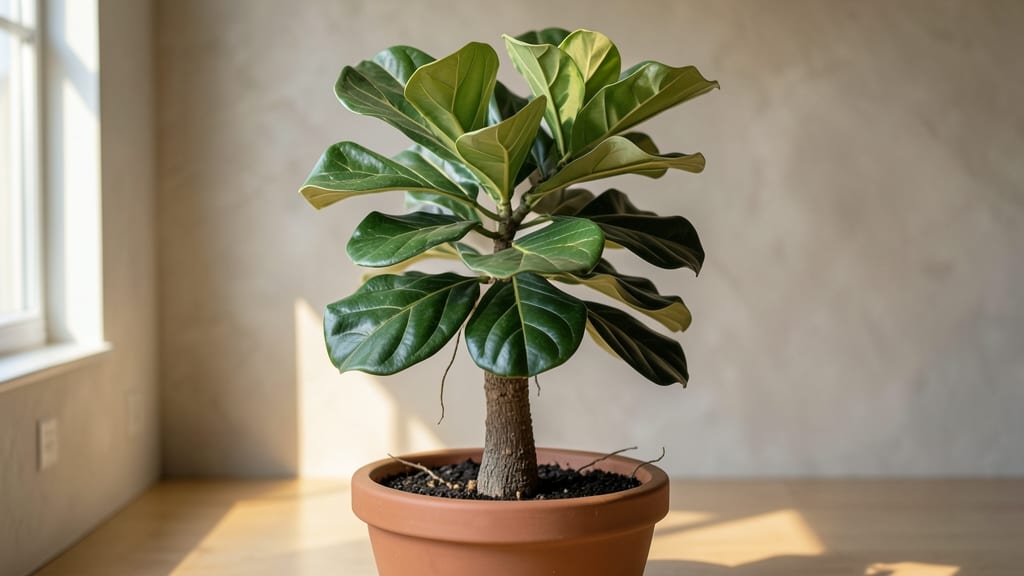
A fiddle leaf fig 🌿 can grow between 10 and 15 feet tall indoors with the right care, though most houseplants stay smaller due to limited space and lighting.
Wondering if your fiddle leaf fig will soon outgrow its current spot? Understanding its growth potential helps you plan for its long-term care—whether you want a towering statement plant or a manageable houseplant.
In the first year, expect 2 to 4 feet of growth, but by year three, it can reach 6 to 10 feet if given bright, indirect light and proper nutrients. Pruning and pot size play a big role in controlling its height.
Below, I’ll break down how to estimate your plant’s future size, when to prune for bushier growth, and why indoor fiddle leaf figs often stay shorter than their outdoor counterparts.


Average height of fiddle leaf figs: indoor growth stages by age
Your fiddle leaf fig (Ficus lyrata) is a stunning statement plant, but its growth rate depends heavily on age and care. In ideal conditions, it can reach 10-15 feet tall indoors over 5-10 years, though most home plants stay between 6-10 feet due to limited space and light.
Understanding its growth stages helps you predict how quickly it will fill out your space.
During the first year, expect your fiddle leaf fig to grow 2-4 feet tall if given proper care. This juvenile stage focuses on root and leaf development rather than height.
By year two, growth accelerates to 4-6 feet, with larger leaves and thicker stems. After three years, mature height gains kick in, adding 2-3 feet annually under optimal conditions.
Here’s how your fiddle leaf fig’s height progresses with age and care:
Light is the biggest factor in determining how tall your fiddle leaf fig grows. Place it near an east-facing window for 6+ hours of bright indirect light daily. Without enough light, growth slows dramatically, and leaves may develop brown spots or yellowing.
If your home lacks natural light, supplement with a grow light to maintain steady growth.
Pot size also impacts height. A cramped root system stunts growth, while a 1-2 inch larger pot encourages upward expansion. Repot every 2-3 years or when roots circle the drainage hole. Use a well-draining potting mix with perlite or orchid bark to prevent root rot, which can halt growth entirely.
Pruning plays a crucial role in managing height. If you want a bushier, shorter plant, prune the top 2-3 inches of stems in early spring. This encourages lateral growth and reduces vertical height.
For a taller, leggy look, avoid heavy pruning and focus on providing consistent care. Always use sterilized pruners to prevent disease.
Humidity levels affect growth too. Fiddle leaf figs thrive in 40-50% humidity, but indoor air is often drier. Use a humidifier or place the pot on a pebble tray with water to maintain optimal moisture. Low humidity can cause leaf drop or brown tips, slowing growth significantly.
Fertilizer timing matters for height. Feed your plant with a balanced 10-10-10 fertilizer every 4-6 weeks during spring and summer. Avoid fertilizing in fall and winter when growth slows. Over-fertilizing can burn roots and stunt development, so always follow package instructions.
With the right care, your fiddle leaf fig can become a 10-foot indoor giant within 5 years. Monitor its growth stages closely, adjust care as needed, and enjoy watching it transform from a small sapling to a lush, leafy masterpiece.
How to control fiddle leaf fig height: pruning and care tips
Your fiddle leaf fig can grow into a stunning statement plant, but its height depends entirely on how you care for it. With the right pruning techniques and growth conditions, you can encourage either a bushier shape or a taller, more vertical form.
The key lies in understanding when and how to trim, along with avoiding common mistakes that stunt growth.
Many plant owners make the mistake of letting their fiddle leaf fig grow unchecked, only to realize later that it’s too tall for its space. The good news? You can control its height at any stage by pruning strategically.
Whether you want a compact plant or a towering indoor tree, the process starts with clean cuts and proper aftercare.
⚠️ WARNING: Common Mistakes That Stunt Growth If your fiddle leaf fig isn’t growing as expected, check these growth inhibitors first:
- Overwatering causes root rot, which weakens the plant and slows height growth.
- Poor lighting (especially low light) leads to leggy, slow-growing stems.
- Underpruning leaves the plant with no direction—it won’t fill out or grow taller efficiently.
- Over-fertilizing can burn roots, halting upward growth.
- Sudden temperature changes stress the plant, causing it to focus on survival over growth.
To encourage taller growth, focus on providing bright indirect light and using a slightly larger pot to accommodate deeper roots. Place your plant near an east-facing window for ideal conditions. Avoid moving it frequently, as fiddle leaf figs dislike sudden changes in their environment.
For a bushier shape, prune the top growth just above a leaf node—this encourages side branches to fill out. Use sterilized pruning shears to make clean cuts at a 45-degree angle. After pruning, rotate the pot occasionally to ensure even light exposure, which promotes balanced growth.
If you notice yellowing leaves or slow growth, your plant may need better drainage or a balanced fertilizer. Apply a diluted 10-10-10 fertilizer every 4-6 weeks during spring and summer to support steady growth.
Always water thoroughly but allow the top inch of soil to dry out between waterings to prevent root issues.
With consistent care, your fiddle leaf fig can reach heights of 10-15 feet indoors, but you can easily manage it to stay smaller with regular pruning. The key is patience—fiddle leaf figs grow about 12 inches per year under ideal conditions, so plan your pruning schedule accordingly.