
Leaf Blower
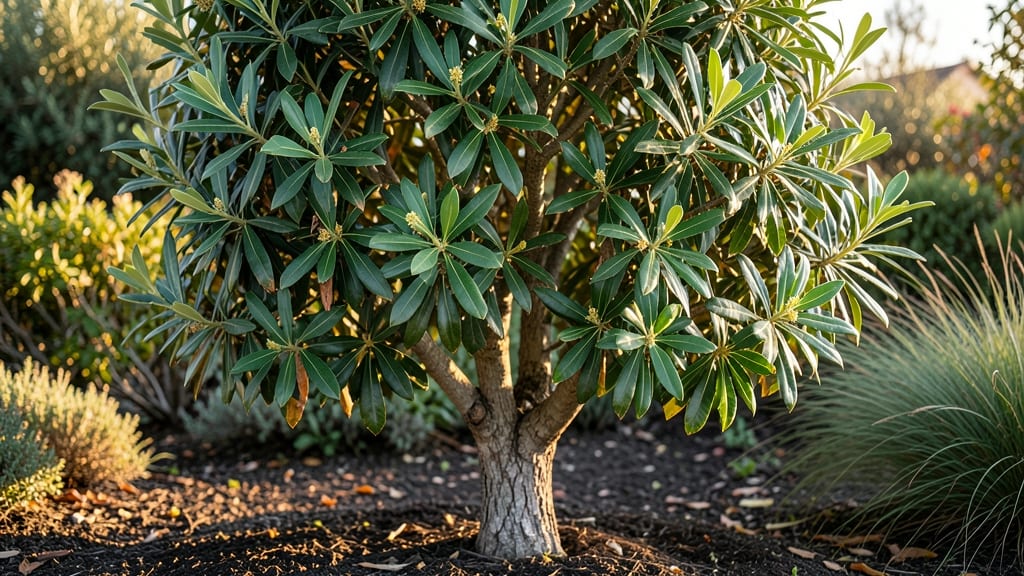
Your bay leaf tree’s leaves turning brown at the edges scream for attention—this is the fix. 🌿 I’ve seen this problem turn lush, fragrant trees into sad, brittle shadows, but copper spray and a few simple adjustments can bring them back to life.
The issue usually starts with overwatering or fungal stress, but pests and nutrient shortages play a role too. Start by checking the soil—it should feel like a damp sponge, not a mud puddle. If the brown edges are paired with yellowing leaves, you’re overwatering.
Prune the worst-affected leaves immediately and adjust your watering to once a week unless it’s scorching hot. For stubborn cases, a copper fungicide spray (applied every 10-14 days) stops fungal spread in its tracks. Within 2-3 weeks, you’ll see fresh green growth pushing out from the center.
The key is consistency: keep the soil moist but not soggy, and avoid wetting the leaves during watering. A balanced fertilizer in spring and fall keeps your tree’s defenses strong year-round. This method works for both potted and in-ground bay trees. The secret?
Act fast before the problem spreads to the whole plant. Let’s get those leaves looking crisp and healthy again!
Underlying Causes Of Leaf Discoloration
When your Laurus nobilis (bay leaf tree) starts showing brown, crispy edges or patches, it’s usually a cry for help from the plant itself. Understanding the root causes—whether environmental, biological, or cultural—lets you take precise action.
Below, we break down the most common reasons your bay tree’s leaves are turning brown, along with the science behind each issue.
Bay leaf trees thrive in partial shade to full sun, but too much direct sunlight—especially in hot climates or during summer—can cause photodamage. When leaves absorb excessive UV radiation, their cell membranes break down, leading to:
- Brown, papery edges (like crispy fried leaves 🍳)
- Bleached or white patches (chlorophyll degradation)
- Premature leaf drop (the tree "sacrifices" damaged foliage)
Why it happens: Sunlight triggers a buildup of reactive oxygen species (ROS) in leaf cells. Without protection, these molecules oxidize pigments and disrupt cellular functions, causing necrosis (dead tissue). Young, tender leaves are especially vulnerable.
Actionable fix: Gradually acclimate your bay tree to sunlight by moving it to a spot with morning sun + afternoon shade. If outdoors, use a 30-50% shade cloth during peak hours (10 AM–4 PM). For container-grown trees, rotate the pot weekly to ensure even light exposure.
Bay trees are drought-tolerant but hate soggy roots. Brown leaves often signal a watering imbalance, where either:
- Too much water → Root rot (fungal/bacterial infection from anaerobic soil)
- Too little water → Cell dehydration (leaf edges curl and brown)
Why it happens:
- Overwatering: Excess moisture starves roots of oxygen, leading to Pythium or Phytophthora fungi. These pathogens block nutrient uptake, causing leaves to turn brown and wilt. Manganese deficiency often follows, as waterlogged soil binds this essential micronutrient.
- Underwatering: When soil dries out, guard cells in leaves lose turgor pressure, causing edges to brown (a survival mechanism to reduce water loss). Chronic drought also triggers abscisic acid production, a stress hormone that accelerates leaf drop.
Actionable fix:
- ✅ Check soil moisture by sticking your finger 2 inches deep—water only if dry. Bay trees prefer well-draining soil (amend with perlite or sand if compacted).
- ✅ Improve drainage: Ensure pots have drainage holes and elevate containers to prevent water pooling.
- ✅ Adjust frequency: Water deeply once a week (or less in winter) and avoid wetting foliage to prevent fungal spread.
Brown, mushy spots with yellow halos? Your bay tree might be battling foliar diseases. Common culprits include:
- Leaf Spot (Alternaria/Septoria) – Brown, circular lesions with dark borders
- Powdery Mildew (Erysiphe) – White, powdery coating turning leaves brown
- Root Rot (Phytophthora) – Yellowing leaves + brown, mushy stems
Why it happens: Fungi and bacteria thrive in humid, stagnant conditions. Spores land on leaves, penetrate through stomata (leaf pores), and release cellulolytic enzymes that break down plant tissue. Nitrogen-rich fertilizers can also make leaves more susceptible by increasing sap concentration (a buffet for pathogens).
Actionable fix:
- 🔥 Prune infected leaves immediately with sterilized shears (dip in 70% isopropyl alcohol).
- 🌡️ Improve airflow: Space plants 3–4 feet apart and avoid overhead watering.
- 🎯 Apply copper fungicide (like the copper spray mentioned in the article title) every 2–3 weeks as a preventative. Copper disrupts fungal cell membranes.
- 💡 Pro tip: Mix 1 tsp baking soda + 1 tbsp oil + 1 tsp dish soap per gallon of water for a DIY fungicide (test on a small leaf first).
Bay trees prefer moderate climates (60–80°F / 15–27°C). Sudden temperature swings or low humidity can shock the plant, leading to:
- Cold damage (below 20°F / -6°C) → Blackened, crispy leaves
- Heat stress (above 90°F / 32°C) → Brown edges + wilting
- Low humidity (<30%) → Leaf edges dry out (a condition called scorch)
Why it happens:
- Cold stress: Ice crystals form in leaf cells, rupturing membranes (freeze-thaw injury). The tree can’t photosynthesize, so it sheds damaged leaves.
- Heat stress: High temperatures increase transpiration rates (water loss), while simultaneously closing stomata to conserve moisture. This creates a nutrient transport blockage, causing edges to brown.
- Low humidity: Dry air draws moisture from leaf edges faster than the plant can replace it, leading to desiccation.
Actionable fix:
- ❄️ Protect from frost: Move potted bay trees indoors or cover with frost cloth if temperatures drop below 30°F (-1°C).
- 🔥 Shade in summer: Use shade cloth (30%) to reduce heat stress.
- 💦 Boost humidity: Mist leaves daily in dry climates or place the pot on a pebble tray with water.
- 🌿 Group plants together to create a microclimate with higher humidity.
Brown, yellowing leaves can also signal a lack of key nutrients. Bay trees need a balanced diet, but deficiencies in specific minerals cause distinct browning patterns:
| Nutrient Deficiency | Symptoms |
Reviving Your Bay Leaf TreeWhen your bay leaf tree’s leaves start turning brown, it’s often a sign that something needs adjusting—whether it’s hydration, nutrition, or pest control. The good news? Most issues are fixable with simple, targeted care. Below are practical solutions tailored to the most common causes, along with prevention tips to keep your tree lush and healthy long-term. Fix: Brown, mushy leaves or yellowing edges? Your bay leaf tree might be drowning in excess moisture.
💡 Prevention Tip: Always empty saucers under pots after watering to prevent root rot. Fix: Crispy, brown edges? Your tree is thirsty—bay leaf trees do need consistent moisture but hate soggy roots.
✨ Pro Tip: Brown tips from underwatering? Trim them off with clean scissors to encourage new growth. Fix: Pale yellow leaves with brown spots? Your tree might be hungry—especially for iron (chlorosis) or nitrogen.
🎯 Prevention Tip: Feed trees every 6–8 weeks during growing season to avoid deficiencies. Fix: Sticky leaves, tiny webs, or black sooty mold? Pests are likely sucking the life out of your tree.
Spray every 7 days until pests vanish. - Insecticidal soap: Targets soft-bodied pests like aphids. - Horticultural oil: Smothers scale insects—apply in early spring or fall.
💡 Prevention Tip: Inspect leaves weekly (especially undersides) and quarantine new plants for 2 weeks. Fix: Sudden brown patches from temperature swings? Bay leaf trees are tropical—they hate extremes.
🌡️ Pro Tip: Gradually acclimate trees to outdoor conditions in spring to avoid shock. If brown leaves persist despite fixes, prune them off to redirect energy to healthy growth. Use sterilized shears and cut just above a leaf node. For severely stressed trees: - Repot into fresh, well-draining soil. - Trim 1/3 of roots if root-bound (gently loosen with fingers). - Fertilize lightly with a seaweed-based tonic to reduce shock. 🎯 Final Prevention Checklist: ✅ Water deeply but infrequently (check soil first). ✅ Fertilize seasonally (spring/summer only). ✅ Monitor pests weekly and act fast. ✅ Keep humidity consistent (especially indoors). ✅ Protect from extreme temps (drafts, heat, wind). Frequently asked questions
1
Why do bay leaf tree leaves turn brown at the edges first?Brown edges on bay leaf tree leaves usually indicate underwatering or low humidity. The edges dry out faster because they have fewer protective cells. Check soil moisture by sticking your finger 2 inches deep—if dry, water deeply until it drains from the bottom. Indoor trees benefit from daily misting or a pebble tray with water.
2
Can I save my bay leaf tree if most leaves are already brown?Yes! Prune all brown leaves immediately to redirect energy to healthy growth. Check roots for rot (smelly, mushy roots = overwatering). Repot in fresh, well-draining soil if needed, and adjust care: water only when topsoil is dry, and fertilize lightly with a balanced formula in spring/summer. New growth should appear within 4-6 weeks.
3
What’s the difference between brown leaves from pests vs. environmental stress?Pests (like spider mites or aphids) cause sticky residue, tiny webs, or holes in leaves, while environmental stress (sunburn, drought) creates uniform browning without visible damage. Inspect leaf undersides for pests—use neem oil spray if found. For environmental issues, adjust watering/sun exposure immediately.
4
How often should I fertilize a bay leaf tree to prevent browning?Feed bay trees every 6-8 weeks during spring/summer with a balanced fertilizer (10-10-10). Over-fertilizing burns roots, causing browning. In fall/winter, stop fertilizing entirely. For nutrient deficiencies (yellowing between veins = iron deficiency), use an iron chelate spray instead of regular fertilizer.
5
Will copper spray help if my bay tree leaves are turning brown from fungal issues?Copper fungicide is highly effective against leaf spot and powdery mildew—common fungal causes of browning. Apply every 10-14 days until new growth appears. For prevention, improve airflow (space plants 3-4 feet apart) and avoid overhead watering. A DIY mix of 1 tsp baking soda + 1 tbsp oil + 1 tsp soap per gallon of water also works. |
|---|