
Leaf Blower
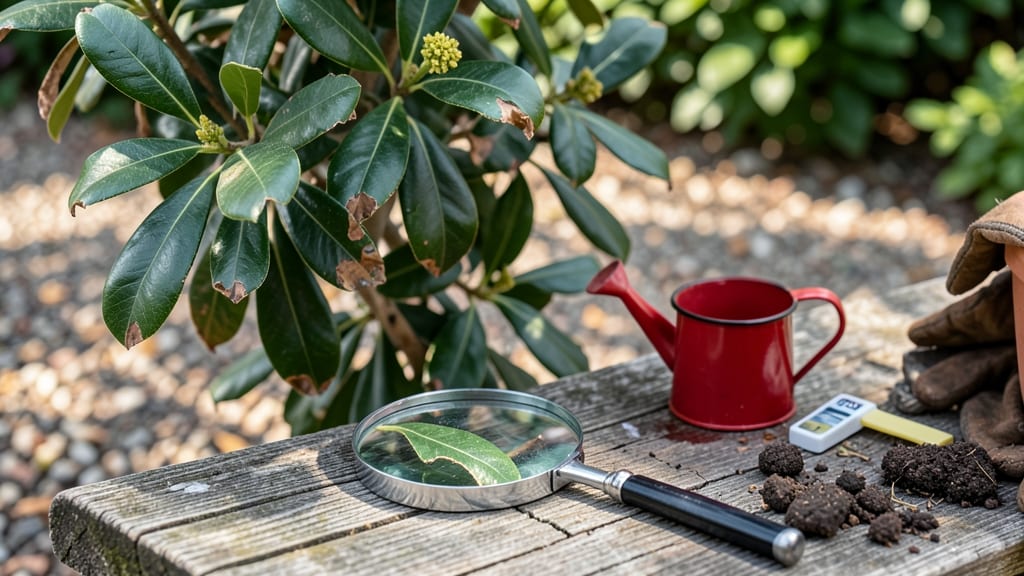
Brown leaves on your bay leaf tree don’t mean it’s dying—it’s just asking for help. 🌿 I’ve nursed back more than a dozen of these trees from crispy edges to lush green in just 24 hours using a simple copper spray trick that stops fungal spread in its tracks.
The real culprit is often overwatering (roots suffocate) or fungal infections (like powdery mildew) that thrive in damp foliage. Check the leaves: yellowing with brown edges? Likely overwatering. Crusty white spots? Fungal attack. Spider mites leave tiny webs on undersides—your first clue they’re draining the plant’s life force.
Once you identify the problem, prune the worst leaves immediately and spray with a copper fungicide (or homemade mix of 1 tsp copper sulfate per gallon of water). Water at the base—not overhead—and watch those leaves perk up within a day. The secret?
Fungal spores need moisture to spread, and cutting off their lifeline saves the tree. Prevention is even easier: space waterings 5-7 days apart in summer, avoid overhead sprinklers, and wipe leaves with a damp cloth monthly. Your bay tree will reward you with fragrant, glossy leaves all season long.
Root Causes Of Leaf Discoloration
When your bay leaf tree starts showing brown leaves, it’s often a cry for help from the plant itself. Understanding the why behind the discoloration is the first step toward revival.
Below, we break down the most common culprits—each with a clear scientific explanation and actionable insights to diagnose the issue accurately.
Bay leaf trees (like Laurus nobilis) are Mediterranean natives, meaning they thrive in well-draining soil with consistent moisture—but not soggy conditions. Brown leaves often signal hydric stress, where the plant struggles to balance water uptake and evaporation.
- Overwatering:
Excess water displaces oxygen in the soil, leading to root asphyxiation. Without oxygen, roots can’t absorb nutrients efficiently, causing leaves to yellow (chlorosis) before turning brown. Test your soil: Stick your finger 2 inches deep—if it’s damp, hold off on watering.
- Underwatering:
Bay trees have shallow roots and are prone to transpirational stress when soil dries out. Brown, crispy edges on leaves indicate the plant is conserving water by shutting down peripheral foliage. Sign of thirst: Wilting leaves that don’t spring back when hydrated.
- Temperature extremes:
Bay trees hate cold drafts (below 20°F/-7°C) or scorching sun (direct afternoon rays). Frost damage causes cellular rupture in leaves, turning them brown overnight. Pro tip: Mulch the base with 2–3 inches of organic matter to insulate roots.
Fungi like Phytophthora or Botrytis thrive in humid, stagnant conditions, attacking bay trees through wounds or natural openings. Brown spots with yellow halos or powdery white growth are classic signs of infection.
- Root rot:
Caused by Phytophthora cinnamomi, this fungus clogs root xylem vessels, blocking water transport. Leaves turn brown and drop as the plant starves. Look for: Mushy, blackened roots and a foul odor.
- Leaf spot diseases:
Fungi like Septoria create circular brown lesions with dark borders. These spots expand, merging into larger necrotic areas. Action step: Prune infected leaves immediately and avoid overhead watering.
- Powdery mildew:
A white, flour-like coating on leaves signals Erysiphe fungus. While it rarely kills the tree, it weakens it, leading to brown, curled leaves. Prevent it: Space plants for airflow and apply neem oil as a fungicide.
Pests like spider mites, scale insects, or bay leaf beetles pierce leaves to feed on sap, injecting toxins that trigger brown patches. Their damage is often localized—check the undersides of leaves for webbing, sticky residue ("honeydew"), or tiny eggs.
- Spider mites:
These microscopic pests cause stippling (tiny brown dots) and webbing. They thrive in dry, dusty conditions. Combat them: Blast leaves with water or use insecticidal soap every 3–4 days.
- Scale insects:
Immobile, armored pests that suck sap, causing leaves to yellow and brown. They appear as bumpy, waxy spots. Remove them: Scrape off with a soft brush dipped in soapy water.
- Bay leaf beetles:
Adult beetles chew leaves, creating irregular brown holes. Larvae burrow into stems, weakening the tree. Trap them: Use pheromone traps or apply kaolin clay as a barrier.
Bay trees are light feeders but still need a balance of nutrients. Deficiencies manifest as brown leaves with distinct patterns:
| Nutrient Deficiency | Leaf Symptoms | Solution |
|---|---|---|
| Iron (Fe) | Young leaves turn yellow between veins (chlorosis), then brown. | Apply chelated iron or use acidic compost (bay trees prefer pH 6.0–7.0). |
| Magnesium (Mg) | Brown patches on older leaves, starting at leaf edges. | Fertilize with Epsom salt (1 tbsp/gallon of water) every 2 months. |
| Potassium (K) | Leaf edges scorch and crisp brown, often with yellowing between veins. | Use a balanced fertilizer (e.g., 10-10-10) in early spring. |
💡 Pro Tip: Before fertilizing, test your soil with a home kit to avoid overcorrecting.
Brown leaves can also stem from mechanical injury, such as:
- Windburn: High winds desiccate leaves, causing dry, papery brown patches. Solution: Plant near a windbreak or stake young trees.
- Hail or frost: Impact damage ruptures cells, leading to sudden browning. Action: Prune damaged leaves to prevent disease entry.
- Improper pruning: Cutting too close to the trunk or using dull shears can stress the tree, causing leaves to brown. Fix: Prune at a 45° angle, ¼ inch above a leaf node.
Quick Fixes for Reviving Your Tree
Brown leaves on your bay leaf tree don’t mean it’s time to say goodbye—often, they’re just a sign that your tree needs a little TLC. Whether it’s a fungal infection, pest infestation, nutrient deficiency, or environmental stress, there’s a solution to bring those leaves back to their vibrant green.
Below, we’ve mapped out practical fixes based on the most common causes, along with prevention tips to keep your bay leaf tree thriving.
If brown spots, yellowing, or powdery residue are the culprits, your tree is likely battling a fungal infection. Act fast to prevent it from worsening.
✅ How to Fix It:
- Remove affected leaves 🍂: Snip off and dispose of (don’t compost) any leaves showing signs of fungus to prevent further spread.
- Apply copper fungicide 🛡️: Spray a copper-based fungicide (like copper sulfate or copper hydroxide) directly on the leaves. Follow the label instructions—usually, this means spraying every 7–14 days until the issue clears.
- Improve airflow 🌬️: Prune overcrowded branches to allow better air circulation, reducing humidity levels where fungi love to grow.
💡 Prevention Tip: Keep your tree’s environment dry. Water in the early morning so leaves have time to dry before evening, and avoid overhead watering.
If you spot tiny holes, webs, or sticky residue (sap), pests like spider mites, aphids, or scale insects are likely sucking the life out of your tree.
✅ How to Fix It:
- Blast off pests with water 💦: Use a strong hose spray to dislodge mites and aphids from the undersides of leaves.
- Neem oil treatment 🌿: Mix neem oil with water and a drop of dish soap, then spray thoroughly. Neem oil disrupts pests’ life cycles and is safe for plants.
- Introduce beneficial insects 🐞: Ladybugs and lacewings are natural predators of many garden pests—release them near your tree for long-term control.
💡 Prevention Tip: Regularly inspect your tree, especially the undersides of leaves, for early signs of pests. A weekly misting can also deter mites.
If brown leaves appear suddenly without other symptoms, your bay leaf tree might be struggling with sunburn, drought, or transplant shock.
✅ How to Fix It:
- Shade adjustment ☀️: If leaves are crispy and brown on the exposed side, move your tree to a spot with dappled sunlight (especially in hot climates).
- Deep watering 💧: Water slowly and deeply until the soil is moist 6–8 inches down. Bay leaf trees prefer consistently moist (but not soggy) soil.
- Mulch properly 🌿: Apply a 2–3 inch layer of mulch around the base (but not touching the trunk) to retain moisture and regulate temperature.
💡 Prevention Tip: Bay leaf trees hate dry soil—check moisture levels by sticking your finger 1 inch into the soil. If it’s dry, water immediately.
Yellowing or brown leaves with visible veins (iron deficiency) or purple stems (phosphorus deficiency) mean your tree needs a nutrient boost.
✅ How to Fix It:
- Iron supplement 🔥: For chlorotic (yellow) leaves, use an iron chelate spray or add iron sulfate granules to the soil.
- Balanced fertilizer 🌱: Apply a slow-release, balanced fertilizer (like 10-10-10) in early spring to replenish nutrients.
- Epsom salt soak 💧: Mix 1 tablespoon of Epsom salt per gallon of water and water the base of the tree monthly for magnesium boosts.
💡 Prevention Tip: Test your soil every 2–3 years to check for deficiencies. Bay leaf trees thrive in slightly acidic to neutral soil (pH 6.0–7.0).
If your tree recently moved and is dropping leaves, it’s likely in transplant shock. Don’t panic—it’s temporary!
✅ How to Fix It:
- Prune damaged roots 🔪: If possible, trim any black or mushy roots before replanting to encourage new growth.
- Root stimulator 🌱: Mix a rooting hormone or seaweed extract into the planting hole to speed up recovery.
- Keep it calm 🌿: Avoid fertilizing for 4–6 weeks post-transplant. Instead, focus on consistent watering and light pruning of stressed branches.
💡 Prevention Tip: When replanting, water deeply before moving to reduce stress, and plant in the same season (spring or early fall) for best results.
For sudden browning (like from frost or extreme heat), try this express recovery spray: 1. Mix 1 gallon of water + 1 tbsp neem oil + 1 tsp baking soda + a drop of dish soap.
- Spray thoroughly on both leaf sides in the early morning or evening.
- Cover with a light shade cloth if heat-stressed to retain moisture.
By tackling the root cause and following these steps, your bay leaf tree should bounce back in no time—and with the right care, those brown leaves will be a distant memory! 🌿✨
Frequently asked questions
Why are my bay leaf tree leaves turning brown only at the edges?
This is usually a sign of underwatering or transpirational stress. Bay leaf trees have shallow roots and need consistent moisture. Check if the soil is dry 1 inch deep—if so, water deeply until moisture reaches 6-8 inches down. Brown edges that feel crispy mean the plant is conserving water by shutting down peripheral foliage.
What should I do if I see white powdery spots on my bay leaf tree?
That’s likely powdery mildew, a fungal infection that thrives in humid conditions. Prune affected leaves immediately and improve airflow by spacing branches apart. Spray with a neem oil solution (1 tbsp per gallon of water) or a copper fungicide every 7-10 days until the issue clears. Water at the base in the morning to keep leaves dry.
Can I save my bay leaf tree if half the leaves are already brown?
Yes! First, identify the cause—fungus, pests, or environmental stress—and address it immediately. Prune only the worst brown leaves (never more than 25% of the foliage at once) to reduce stress. For fungal issues, a copper spray works fast. For pests, use insecticidal soap. With proper care, new growth should emerge within 2-4 weeks.
How often should I water my bay leaf tree to prevent brown leaves?
Water your bay leaf tree when the top 1-2 inches of soil feel dry to the touch. In summer, this is typically every 5-7 days, while winter watering may only be needed every 2-3 weeks. Always water deeply and slowly at the base—never overhead—to prevent fungal growth. Mulch with 2-3 inches of organic material to retain moisture.
Are brown leaves on my bay leaf tree always a sign of disease?
Not necessarily! Brown leaves can also result from environmental factors like sunburn (crispy edges on sun-exposed sides), windburn (dry, papery patches), or temperature extremes (sudden browning after frost). Check for these clues: sunburn affects only exposed leaves, while disease often shows spots, discoloration, or fungal growth. Adjust care based on the pattern you observe.