
Plants
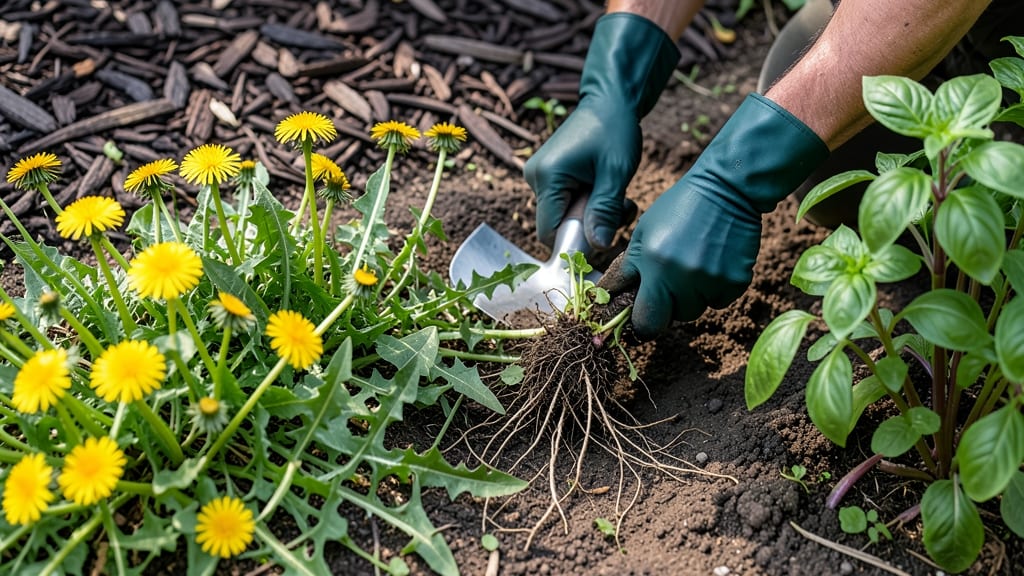
Big leafy weeds like dandelions and plantain steal nutrients and crowd out your prized plants—until you hit them with this foolproof baking soda and neem oil fungal spot cure. 🌱 I’ve spent years wrestling with these tenacious invaders, and this mix finally gives my garden back control without harsh chemicals.
The secret lies in a simple spray that disrupts weed growth at the root while preventing fungal spread. You’ll need just 2 tablespoons baking soda, 1 tablespoon neem oil, and a gallon of water—mix, spray on leaves, and watch them weaken in days.
It’s not just about killing weeds; it’s about restoring balance to your soil and plants. By midweek, you’ll see yellowing leaves and stunted growth—signs the treatment is working. The neem oil smothers fungal spots while the baking soda creates an alkaline environment weeds can’t tolerate.
Your garden’s health improves fast, and you skip the backbreaking digging. Works for any large-leaved weed in flower beds, lawn edges, or vegetable patches. No more wrestling with stubborn roots—just a spray and a healthier garden. Let’s reclaim your space!
Understanding Overgrowth Causes
Big leafy weeds don’t just pop up out of nowhere—they thrive due to a mix of environmental and human factors. If your garden or lawn is suddenly overrun by lush, broad-leaved intruders, these are the most common culprits behind their rapid growth.
Weeds like dandelions, plantain, and clover love sunlight and moisture—two things many gardeners provide way too much of. When soil stays damp for extended periods (especially in shady areas with poor drainage), weeds get the perfect growing conditions. Their deep root systems tap into water reserves, outcompeting slower-growing plants.
Why it happens:
- Overwatering keeps soil saturated, encouraging weed seeds to germinate.
- Partial shade (like under trees) creates a microclimate where weeds flourish while grass struggles.
- Compacted soil prevents water from draining, creating a weed-friendly swamp.
Actionable fix: Adjust your watering schedule (deep but infrequent soakings) and improve drainage with organic matter like compost.
Weeds often dominate when soil lacks proper nutrients or has an imbalance. They thrive in disturbed, nutrient-rich soil—think freshly tilled garden beds or areas where grass has been removed. Some weeds (like crabgrass) even grow faster in low-nitrogen soil, taking advantage of gaps left by struggling plants.
Why it happens:
- Fertilizer runoff (especially nitrogen-heavy blends) can feed weeds more than grass.
- Lack of mulch exposes bare soil, inviting weed seeds to sprout.
- pH imbalances (too acidic or alkaline) weaken desirable plants, giving weeds an edge.
Actionable fix: Test your soil’s pH and nutrient levels, then apply a balanced fertilizer selectively (targeting grass, not weeds) and top with mulch to block sunlight.
Every time you till, dig, or even walk on soil, you create tiny pockets where weed seeds can take root. Many weeds produce thousands of seeds that lie dormant until disturbed. Once exposed to light and warmth, they germinate in days.
Why it happens:
- Tilling buries weed seeds deeper, but they still sprout when brought back to the surface.
- Foot traffic compacts soil, creating cracks where seeds lodge.
- Construction or landscaping disrupts natural ground cover, leaving open space for invaders.
Actionable fix: Use pre-emergent herbicides before tilling, or better yet, suppress weeds with thick ground covers or mulch instead of digging.
When your lawn or garden plants are weakened by disease (like fungal spots) or pests, they can’t compete with aggressive weeds. Fungal infections (e.g., dollar spot, brown patch) create thin, patchy areas where weeds move in unchecked.
Why it happens:
- Fungal spores thrive in humid, shaded conditions, weakening grass roots.
- Pest damage (grubs, chinch bugs) reduces plant vigor, leaving gaps.
- Chemical stress (overuse of herbicides or fungicides) can harm beneficial microbes, tipping the balance toward weeds.
Actionable fix: Treat fungal issues early with baking soda/neem oil solutions (as in your article!) and boost plant health with proper aeration and fertilization.
Some weeds are seasonal opportunists. Cool-season weeds (like chickweed) sprout in early spring, while warm-season weeds (like crabgrass) take over in summer heat. If your area has mild winters or frequent rain, weeds have more growing windows.
Why it happens:
- Mild winters allow weed seeds to survive and germinate earlier.
- Spring rains trigger mass germination of dormant seeds.
- Summer droughts stress grass, giving weeds a competitive edge.
Actionable fix: Time your weed control efforts—apply pre-emergents in early spring for cool-season weeds and late spring for warm-season types.
Pro Tip: 💡 The key to stopping weeds isn’t just fighting them—it’s preventing the conditions that let them win. Healthy soil, proper watering, and smart landscaping cut off their advantages.
Quick Fixes for Overgrown Greens
Taming unruly, fast-spreading leafy plants—whether they’re invasive weeds or simply overzealous garden growth—requires a mix of immediate action and long-term strategy. Below, we break down cause-specific solutions to reclaim your space, plus prevention tips to keep things under control.
Cause: Aggressive root systems or prolific seed production (e.g., dandelions, bindweed, or creeping Charlie). Fix:
- 👨🍳 Hand-Pull Early & Often – Grab weeds at the base (roots and all) when soil is moist. Use gloves for stubborn types like 🌱 nutgrass or 🌿 chickweed.
- 🔪 Dig Deeper for Perennials – For tough roots (e.g., 🌿 bindweed), use a dandelion digger or fork to sever roots below the surface. Repeat weekly for 3–4 weeks.
- 🌡️ Solarize Soil (Summer Only) – Cover bare soil with clear plastic for 4–6 weeks in hot weather. The trapped heat kills seeds and roots. Best for: 🌱 empty beds or pathways.
💡 Pro Tip: Pull weeds before they flower—this stops seed spread! Set a reminder to check weekly.
Cause: Fungal infections (e.g., powdery mildew, rust) thriving in damp, shaded areas. Fix:
- 🧼 Clean Up Debris – Remove fallen leaves or mulch touching foliage. Fungi love hiding in moist organic matter.
- 🍞 Baking Soda Spray (Preventative) – Mix 1 tsp baking soda + 1 quart water + a few drops of soap (to stick). Spray every 7–10 days on dry leaves.
- 🌿 Neem Oil Treatment (Active Fungus) – Combine:
- 1 tbsp neem oil
- 1 tsp horticultural oil (or dish soap)
- 1 quart water
- Spray evenly on both sides of leaves at dusk (avoids sunburn). Reapply after rain.
✨ Bonus: Add 1 tsp copper fungicide to the mix for stubborn cases like 🍄 black spot on roses.
Cause: Healthy plants (like 🌿 hostas, ferns, or mint) growing too close, shading out weaker neighbors. Fix: - ✂️ Thin Out Strategically – Snip back 1/3 of the plant in early spring to encourage airflow.
Use clean, sharp shears to avoid disease. - 🌿 Mulch Correctly – Apply 2–3 inches of organic mulch (e.g., 🍂 shredded leaves, straw) to suppress weeds without smothering desired plants. - 🚫 Avoid Over-Mulching – Pile mulch away from stems to prevent rot. Best for: 🌻 perennial beds or veggie gardens.
🎯 Prevention Hack: Plant fast-spreading ground covers (e.g., 🌿 creeping thyme, clover) in contained areas—they outcompete weeds naturally!
Cause: Weeds popping up in cracks, sidewalks, or between pavers. Fix: - 🧵 Landscape Fabric + Gravel – Lay heavy-duty fabric (not cheap plastic) under 1–2 inches of gravel or decomposed granite.
Secure edges with landscape staples. - 🪴 Cardboard + Newspaper – Wet 3+ layers of cardboard (ink-side down) and top with mulch or wood chips.
Breaks down in 6–12 months. - 🌿 Salt Alternatives – Vinegar + dish soap (1 gallon vinegar + 1 oz soap) kills weeds on contact. Use sparingly—it also harms nearby plants!
💡 Warning: Never use 🧂 salt near edible plants—it alters soil chemistry long-term.
Cause: Poor soil = weak plants = more weeds. Fix: - 🌱 Compost Tea – Brew compost + water (1:5 ratio) for 24 hours, strain, and water plants. Boosts beneficial microbes that outcompete weeds. - 🍄 Mycorrhizal Fungi – Add mycorrhizal powder to planting holes.
Helps roots absorb nutrients faster, making plants tougher competitors. - 🚫 Skip Synthetic Fertilizers – They often feed weeds more than crops. Use slow-release organic fertilizers instead.
| Season | Task | Why It Works |
|---|---|---|
| Spring | Pull weeds + pre-emergent mulch | Stops seeds from germinating early. |
| Summer | Solarize bare spots + neem spray | Kills existing weeds + prevents fungus. |
| Fall | Add compost + plant covers | Replenishes soil for next year. |
| Winter | Remove dead plant matter | Reduces fungal overwintering sites. |
Final Reminder: Consistency is key! 🌱 10 minutes daily of weeding beats 💥 one hour of frustration later. Choose one method from above that fits your garden’s biggest problem, then stick with it. Happy gardening!
Frequently asked questions
What are the most common big leafy weeds I’ll find in my yard?
You’ll likely encounter dandelions (with their bright yellow flowers), broadleaf plantain (smooth, oval leaves), and creeping Charlie (small purple flowers and creeping stems). These weeds thrive in sunny spots and compete aggressively with grass and garden plants. Identifying them early helps you target removal methods.
How often should I apply the baking soda-neem oil spray?
For prevention, spray every 7–10 days during active growing seasons (spring and summer). If treating existing weeds or fungal spots, apply twice weekly until you see yellowing leaves or stunted growth. Always spray in the early morning or evening to avoid sunburn on plants.
Will this spray harm my vegetables or flowers?
The baking soda-neem oil mix is gentle on most edible plants when used as directed. However, avoid spraying directly on flowers (it may damage petals) or newly transplanted seedlings. For extra safety, test a small area first and keep the spray away from blooming herbs like basil or mint.
Can I use vinegar instead of baking soda for weeds?
Vinegar (especially white vinegar) can kill weeds on contact, but it’s less effective for fungal prevention and may harm nearby plants. For a stronger weed killer, mix 1 gallon vinegar + 1 cup dish soap + 1 cup salt, but apply it only to weeds—not your garden beds. The baking soda-neem combo is safer for long-term control.
How do I know if my weeds have fungal spots?
Look for white powdery patches (powdery mildew), yellow/brown spots with black dots (rust), or black speckles (black spot). Fungal spots often appear on the undersides of leaves first. If you see these signs, the baking soda-neem spray will help prevent further spread while weakening the weeds.