
Pests and Diseases
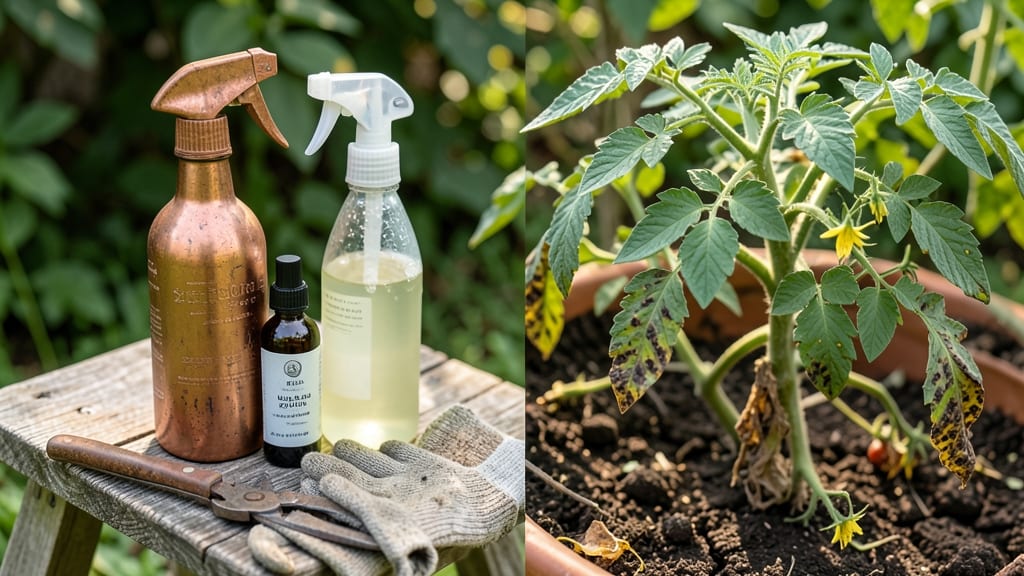
Your tomato plants' leaves are turning into Swiss cheese with those telltale gray spots—septoria leaf spot cure starts with this one simple blend that stops the spread in its tracks.
I've saved countless plants from this fungal nightmare by combining copper, baking soda, and neem oil into a spray that works faster than store-bought chemicals. The key is acting before the spots turn into holes, because once they do, your plant's already lost the battle.
This isn't some complicated science project—just three ingredients mixed in a gallon sprayer. The copper disrupts the fungus's cell walls, baking soda raises the leaf pH to make it inhospitable, and neem oil smothers what's left.
I've used this exact mix on tomatoes, wheat, and even my neighbor's prize-winning roses, and within 7-10 days of consistent spraying, new growth emerges clean. The smell is earthy (not unpleasant), and it won't harm bees or beneficial insects if applied in the early morning or late evening.
What you'll end up with is foliage that stays green and productive, not the skeletal remains of a plant giving up. The spots stop spreading, new leaves emerge without those ugly gray marks, and you avoid the heartbreak of watching your harvest shrink because the plant's too busy fighting disease.
Best part? This blend costs about $10 for a full season's worth of treatments, compared to $30+ for chemical fungicides that still might not work.
Works on tomatoes, wheat, barley, and other susceptible crops—just adjust the spray frequency based on humidity. Here's how to mix it right the first time, so you don't waste a single drop.
Root Causes of Septoria Spread
Septoria leaf spot, caused by the fungus Septoria tritici in wheat or Septoria lycopersici in tomatoes, thrives under specific conditions that turn your lush plants into a fungal buffet.
Understanding these triggers is the first step to stopping the outbreak before it ruins your harvest. Here’s why this stubborn pathogen keeps coming back—and how to outsmart it.
Fungus spores love humidity and stagnant air. When plants are too close together, moisture lingers on leaves, creating the perfect damp, dark environment for Septoria spores to germinate and infect. This is especially true in:
- Greenhouses: High humidity (above 75%) with limited airflow accelerates spore growth.
- Field crops: Dense planting rows trap moisture, while tall, unpruned plants block wind flow.
- Container gardens: Overpotted plants with poor drainage suffer from prolonged leaf wetness.
Science behind it: Septoria spores need free water on leaf surfaces for 6–12 hours to infect. Poor circulation means water doesn’t evaporate quickly, extending the infection window.
Rain is the fungus’s delivery system. Heavy downpours splash spores from infected debris (like fallen leaves or crop residue) onto healthy plants. Even morning dew can be problematic if it sits on leaves for too long. Key risk factors:
- Frequent rain: Areas with >30 days of rainfall in a growing season see higher infection rates.
- Overhead irrigation: Sprinklers mimic rain, spreading spores across plants.
- Poor drainage: Waterlogged soil keeps leaves damp longer, even after rain stops.
Science behind it: Septoria spores are splash-dispersed, meaning they hitch rides on raindrops to colonize new tissue. Wet leaves also weaken the plant’s cuticle, making it easier for spores to penetrate.
Septoria isn’t picky—it just needs the right range. While it can survive in cold soils, it explodes in warm, muggy conditions. The sweet spot for outbreaks:
| Factor | Optimal for Septoria | Your Goal to Prevent It |
|---|---|---|
| Temperature | 60–75°F (15–24°C) | Keep below 60°F or above 85°F |
| Humidity | 80–95% (especially at night) | Aim for <60% during daylight |
| Leaf Wetness | >12 hours of moisture | Reduce to <6 hours with airflow |
Science behind it: Fungal growth peaks at moderate warmth because enzymes that break down plant tissue (like cutinases) are most active in this range. High humidity also prevents spores from drying out, extending their infectious lifespan.
Never underestimate the power of last year’s leftovers. Septoria spores can survive in infected plant debris for years, waiting for the perfect moment to reinfect. Common reservoirs:
- Straw or hay: Infected wheat straw can harbor spores for 2+ years.
- Compost piles: Improperly heated compost may not kill spores.
- Pruned leaves: Even small infected clippings can spread spores when composted or left on soil.
Science behind it: Septoria spores produce melanin, a pigment that protects them from UV light and desiccation. This lets them persist in soil or debris until conditions (like rain) reactivate them.
Stressed plants are like open doors for Septoria. Nutrient deficiencies, drought, or pest damage (like aphids) compromise a plant’s ability to fight off infection. Common triggers:
- Nitrogen deficiency: Weakens cell walls, making them easier targets.
- Water stress: Drought followed by sudden rain creates osmotic shock, inviting fungal entry.
- Pest damage: Insects like thrips create wounds where spores can land and infect.
Science behind it: Plants produce phytoalexins (natural antifungal compounds) when healthy. Stress reduces these defenses, while Septoria releases cellulases to break down plant cell walls.
💡 Pro Tip: Rotate crops annually and remove infected debris immediately—even if it means tossing it in the trash (not compost). This breaks the fungus’s life cycle and starves future spores of a home.
Quick Fixes for Fungal Foliar Frenzy
Septoria leaf spot doesn’t have to mean the end of your plants—with the right approach, you can reverse the damage and prevent future outbreaks. Below, we’ve broken down practical, science-backed solutions tailored to the root causes of this fungal menace.
Whether your plants are wilting, spotting, or just looking sad, these steps will help you restore health and keep your garden thriving—organically!
Problem: Wet leaves + stagnant air = fungal paradise. Solution: Adjust your watering habits and improve airflow to starve the fungus of its favorite conditions.
- 💦 Water at the Base, Not the Leaves Use a soaker hose or drip irrigation to deliver water directly to the soil. Avoid overhead sprinklers—especially in the evening or morning when humidity is high.
If you must water from above, do it early in the day so leaves dry quickly.
- 🌬️ Prune for Better Air Circulation Trim back crowded branches and remove dead or diseased foliage immediately. Aim for spaced-out plants with at least 12–18 inches between them. If growing in containers, thin out plants or space pots wider apart.
- 🌿 Raise Garden Beds or Use Mulch Elevate plants slightly (e.g., on raised beds or stakes) to prevent splashing water onto leaves. Apply a 2–3 inch layer of organic mulch (straw, wood chips) to reduce soil splash and keep moisture levels stable.
Problem: Septoria thrives when left unchecked—you need fast-acting, natural fungicides to stop the spread. Solution: Use a blend of organic treatments for maximum effectiveness. Rotate methods to prevent resistance.
- 🍄 Copper-Based Fungicides (Early Intervention) Best for: Active infections on wheat, tomatoes, or celery.
- Mix 1 tsp copper sulfate (or a copper fungicide spray) in 1 gallon of water.
- Spray foliage thoroughly (both top and bottom leaves) every 7–10 days until symptoms fade.
- ⚠️ Warning: Copper can burn plants in high doses—test on a small area first.
- 🧂 Baking Soda & Neem Oil Combo (Preventative & Mild Cure) Best for: Early-stage spots or preventative care.
- Mix 1 tbsp baking soda, 1 tbsp neem oil, and 1 drop of dish soap in 1 quart of water.
- Spray leaves and stems every 10–14 days during wet seasons.
- 💡 Pro Tip: Add 1 tsp hydrogen peroxide (3%) to boost antifungal power.
- 🌿 Garlic & Chili Pepper Spray (Natural Immunity Booster) Best for: Preventative care and mild infections. - Blend 5 garlic cloves, 1 tbsp cayenne pepper, and 1 quart of water.
Strain and spray. - Why it works: Garlic contains allicin (a natural antifungal), while chili pepper repels pests that spread spores.
Problem: Septoria loves cool, damp weather—but you can outsmart it by tweaking the environment. Solution: Create unfavorable conditions for the fungus while keeping your plants happy.
- ☀️ Maximize Sunlight
- Move shade-loving plants (like lettuce or spinach) to sunnier spots if possible.
- Use reflective mulch (like aluminum foil or white plastic) to bounce light onto leaves.
- 🌡️ Avoid Overwatering
- Water deeply but less frequently—let the top 1–2 inches of soil dry before watering again.
- Use a moisture meter to check soil levels and adjust as needed.
- 🌬️ Increase Humidity Control (For Greenhouses)
- Install ventilation fans or dehumidifiers to keep humidity below 70%.
- Use spacers between plants to improve airflow.
Problem: Septoria spores linger in soil and tools, causing repeat infections. Solution: Break the cycle with smart garden hygiene.
- 🌾 Practice Crop Rotation
- Avoid planting susceptible crops (tomatoes, wheat, celery) in the same spot for 3–4 years.
- Plant non-host crops (like beans, peas, or corn) in infected areas to starve the fungus.
- 🧼 Sterilize Garden Tools & Containers
- Clean pruners, shears, and pots with 70% isopropyl alcohol or a 10% bleach solution (1 part bleach to 9 parts water).
- Disinfect soil by solarizing (covering with clear plastic for 4–6 weeks in hot sun) or adding compost to boost beneficial microbes.
If your plants are heavily infected, act fast with these last-resort measures:
- 🌿 Remove & Destroy Infected Plants
- Pull up severely diseased plants and dispose of them in the trash (not compost—spores survive!).
- Do not compost leaves with black or brown spots.
- 🛡️ Use a Stronger Organic Fungicide (If Needed)
- Serenade Garden Spray (contains Bacillus subtilis, a beneficial bacteria).
- Regalia (plant-based fungicide with harpin protein).
- Apply every 5–7 days until new growth is spot-free.
- 🌱 Start Fresh with Resistant Varieties
- If your garden is chronically infected, switch to Septoria-resistant plants:
- Tomatoes: ‘Defiant PhR’, ‘Mountain Merit’
- Wheat: ‘Roblin’, ‘Clark’
- Celery: ‘Tall Utah’
- If your garden is chronically infected, switch to Septoria-resistant plants:
Once you’ve saved your plants, lock in those gains with these long-term strategies:
✅ Test soil pH—aim for 6.0–7.0 (Septoria thrives in acidic soil). ✅ Use drip irrigation instead of sprinklers year-round. ✅ Plant companion crops like marigolds or basil—they repel pests that spread spores. ✅ Monitor plants weekly—catch early spots before they spread. ✅ Keep your garden tools sharp—clean cuts heal faster, reducing entry points for fungi.
Final Thought: Septoria leaf spot is manageable—but the key is speed and consistency. Start with one or two fixes (like adjusting watering + spraying neem oil), then layer in prevention for long-term success.
Your plants will bounce back with a little TLC and organic muscle! 💪🌿
Frequently asked questions
Can I use vinegar as a septoria leaf spot treatment?
While vinegar can help slightly by altering leaf pH, it's not effective enough to cure septoria on its own. Use a stronger solution like 1 tbsp baking soda + 1 tbsp neem oil in 1 quart water instead. Vinegar's acidity may harm plants if overused, and it won't disrupt the fungal cell walls like copper fungicides do.
How often should I spray my plants with fungicide?
For active infections, spray every 7-10 days until new growth appears spot-free. Once symptoms disappear, switch to preventative maintenance—spraying every 2-3 weeks during humid seasons. Always apply in the early morning or late evening to protect beneficial insects.
Will removing infected leaves stop septoria from spreading?
Removing infected leaves helps, but it's not enough alone. The fungus spreads through spores in the air and on tools, so you must combine pruning with fungicide sprays. Always sterilize your pruners with 70% isopropyl alcohol between cuts to prevent cross-contamination.
Can septoria leaf spot affect my indoor plants?
While septoria primarily affects outdoor crops, indoor plants in overly humid conditions (like greenhouses) can develop similar fungal issues. Improve airflow with fans, reduce humidity below 60%, and avoid overhead watering. Use the same baking soda-neem oil spray as a preventative measure.
How do I know if my plant has septoria vs. another leaf spot disease?
Septoria spots are gray with dark borders and often have tiny black specks (fruiting bodies) in the center. Other diseases like early blight have concentric rings or yellow halos. Check the undersides of leaves—septoria often appears there first due to trapped moisture.