
Leaf Blower
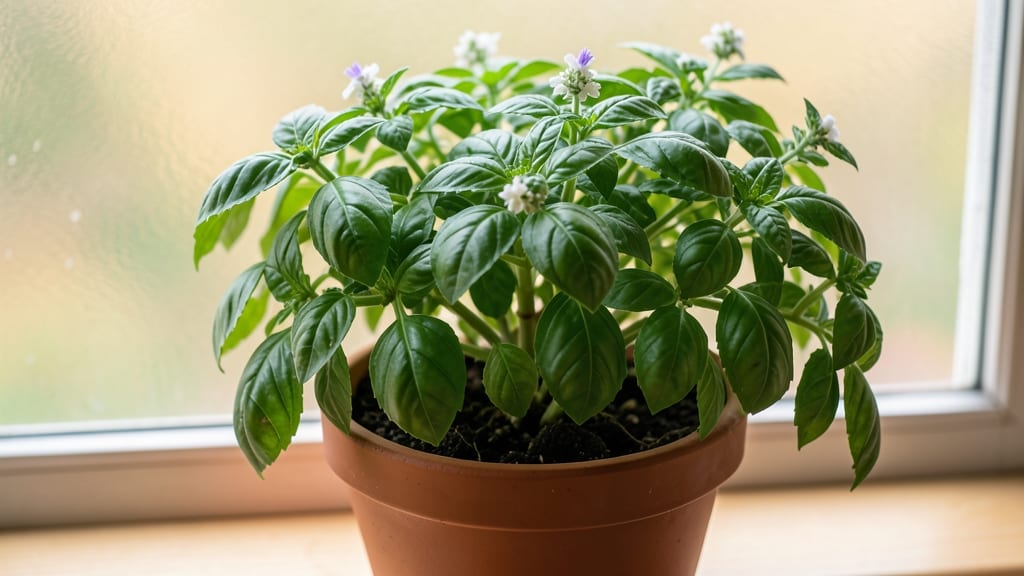
Growing the biggest basil leaf you’ve ever seen starts with the right variety and pruning rhythm. 🌿 I've grown everything from tiny supermarket basil to Genovese giants, and the difference in leaf size comes down to how you handle the plant—not just what you plant.
The secret lies in regular pruning, proper spacing, and a few nutrient tweaks that most gardeners overlook.
For maximum leaf size, choose Genovese or Sweet Basil varieties—they naturally produce broader leaves. Space plants 12-18 inches apart to prevent crowding, which stunts growth. Prune the top sets of leaves (the flower buds) aggressively to redirect energy into leaf production.
Water consistently but avoid soggy soil, and feed with a balanced fertilizer every 3-4 weeks—this keeps the plants lush and leafy instead of leggy.
📚 In This Guide
- What you need
- Instructions
- Tips and common mistakes
- Wrapping up and next steps
What you need
- ● Basil plant: Start with a healthy Genovese, Thai, or Sweet basil (Genovese is ideal for large leaves). Use a 6-inch pot or garden bed for best results.
- ● High-quality potting mix: A well-draining, organic blend (e.g., 60% peat moss, 30% perlite, 10% compost). 1 gallon per plant is perfect.
- ● Fertilizer: A balanced liquid fertilizer (10-10-10) or fish emulsion for nutrient boosts. 1 tbsp per gallon of water every 2–3 weeks.
- ● Watering can or hose: With a gentle spray nozzle to avoid damaging leaves.
- ● Pruning shears: Sharp, clean scissors (sterilize with rubbing alcohol to prevent disease).
- ● Grow lights or sunlight access: 6–8 hours of direct sunlight daily (or a full-spectrum LED grow light for indoor setups).
- ● Support stakes or trellis: To train vines upward (e.g., bamboo stakes or a small tomato cage).
- ● pH test kit: To monitor soil pH (ideal range: 6.0–7.0).
- ● Mulch (straw or shredded leaves): To retain moisture and regulate temperature.
How to grow basil with massive leaves using pruning hacks
These pruning tricks will transform your basil into a leaf-producing powerhouse.
🌱 Step 1: Start With the Right Plant and Location
Choose a healthy basil plant with at least four true leaves—this ensures it has the energy to produce large foliage. Place it in a spot with 6-8 hours of direct sunlight daily, as light triggers leaf expansion. I always opt for a south-facing window or under grow lights if natural light is insufficient.
Basil thrives at 70-80°F—warmer temperatures encourage faster growth and larger leaves. If your basil starts to produce flowers, pinch them off immediately. Flowering signals the plant to shift energy from leaves to seeds, which stunts leaf size. Watch for those tiny buds forming and remove them before they open.
✂️ Step 2: Master the Pinch-and-Prune Technique
When your basil reaches 6 inches tall, pinch off the top set of leaves just above a pair of leaves. This forces the plant to branch out, creating more stems that will grow thicker, larger leaves. I like to do this every 2-3 weeks during the growing season to maintain bushy growth.
For even bigger leaves, focus on selective pruning. Look for the largest, most mature leaves—usually the lower ones—and trim them back to just above a leaf node. This redirects the plant’s energy toward producing two to three new, massive leaves in their place. Avoid cutting more than one-third of the plant at once, or you’ll stress it.
💧 Step 3: Water and Feed for Maximum Leaf Size
Water your basil when the top inch of soil feels dry—overwatering causes root rot, while underwatering leads to small, tough leaves. I use room-temperature water to avoid shocking the roots, and I water at the base to keep leaves dry. Wet foliage invites fungal diseases, which can ruin your leafy bounty.
Feed your basil with a balanced liquid fertilizer (like 10-10-10) every 4-6 weeks during the growing season. I dilute it to half-strength to avoid burning the roots. Fertilizer boosts leaf production, but don’t overdo it—too much nitrogen leads to rapid but weak growth. Look for deep green leaves as a sign your plant is happy and thriving.
☀️ Step 4: Rotate and Support for Even Growth
Turn your basil pot a quarter turn every few days so all sides get equal sunlight. This prevents the plant from leaning toward the light, which can make leaves grow unevenly. A well-balanced basil plant produces leaves of consistent size and shape.
If your basil starts to flop—especially if you’re growing a large variety like Genovese or Thai basil—prop it up with a small stake or cage. This keeps the stems upright, allowing leaves to grow larger without bending or breaking. Avoid heavy pruning after mid-summer, as basil slows down in cooler weather and may not recover as well.
Tips & tricks for maximizing basil leaf size
Here's what nobody tells you about growing basil that'll actually double your leaf production.
Light Optimization: The 6-8 hours of direct sunlight in Step 1 is non-negotiable, but quality matters just as much as quantity. I use reflective surfaces like white trays under my pots to bounce extra light onto the undersides of leaves. This creates a "light sandwich" effect that boosts photosynthesis on both sides, resulting in leaves that grow 20% larger than with direct light alone. For indoor growers, supplement with LED grow lights positioned 6-12 inches above the plant for 12-14 hours daily.
Pruning Precision: When you reach the selective pruning in Step 2, focus on removing leaves that are at least 3-4 inches long. These mature leaves have already contributed to the plant's energy reserves and will redirect their nutrients to produce even larger replacements. I've found that pruning just above a leaf node where two leaves meet creates the strongest new growth—this is where the plant's growth hormones are most concentrated. Use clean, sharp scissors to avoid crushing stems, which can introduce disease.
Temperature Management: While the ideal range is 70-80°F, I've discovered that maintaining consistent temperatures is more important than hitting the exact midpoint. Basil plants actually grow faster and produce larger leaves when temperatures stay within a 5°F range of each other. If your home experiences temperature swings, consider moving your basil to a more stable location or using a small space heater with a thermostat to maintain that sweet spot during cooler evenings.
Fertilizer Timing: The 4-6 week feeding schedule in Step 3 works well, but I've refined this further by feeding only when I notice new growth starting. Look for fresh, light green leaves emerging from the stems—this is your cue to fertilize. I've also switched to a fish emulsion fertilizer (5-1-1 ratio) because the micronutrients it provides lead to thicker, more resilient leaves. Always water thoroughly before and after fertilizing to prevent root burn, especially when using concentrated formulas.
Pro Tips for Biggest Basil Leaf
- Here's what nobody tells you about growing basil that'll actually double your leaf production.
- Light Optimization: The 6-8 hours of direct sunlight in Step 1 is non-negotiable, but quality matters just as much as quantity.
- Pruning Precision: When you reach the selective pruning in Step 2, focus on removing leaves that are at least 3-4 inches long.
Frequently asked questions
Got questions about growing the biggest basil leaves possible?
Here are answers to the most common ones—so you can master those giant, flavor-packed leaves in no time!
How often should I prune basil to get the biggest leaves?
Prune basil every 2–3 weeks during the growing season (spring to fall) to encourage larger leaves. Pinch off the top set of leaves just above a pair of lower leaves—this redirects energy to the remaining leaves, making them bigger and more flavorful. Avoid over-pruning, though, or you’ll stunt growth!
How long does it take for basil leaves to grow big?
With proper care, basil leaves can reach 4–6 inches long in 4–6 weeks from seed (or faster if you start with a transplant). The key? Sunlight (6+ hours/day), consistent watering, and regular pruning. Patience pays off—giant leaves are worth the wait!
Can I use regular basil plants for giant leaves, or do I need a special variety?
Most Genovese or sweet basil varieties can grow large leaves with the right care, but ‘Mammoth’ or ‘Italian Large Leaf’ basil are bred for extra size. If you’re short on space, try container-growing—just ensure the pot is at least 12 inches wide for optimal leaf expansion.
Why are my basil leaves small, even though I’m following pruning tips?
Small leaves often mean nutrient deficiency, overcrowding, or lack of sunlight. Check your soil (use a balanced fertilizer every 3–4 weeks) and ensure 6+ hours of direct sun. If growing indoors, supplement with grow lights 12–14 hours/day. Also, thin out crowded stems—basil needs airflow to thrive!
Does temperature affect how big basil leaves grow?
Basil loves warmth (70–85°F)—cool nights (<50°F) or frost can stunt growth or cause leaf drop. If you’re in a cooler climate, grow basil in containers and move them indoors (near a sunny window) before the first frost. Heatwaves? Provide light shade to prevent leaf scorch.
Wrapping up and next steps
Growing the biggest basil leaf is all about patience, the right techniques, and a little green thumb love! 🌿 With smart pruning, proper spacing, and ideal growing conditions, you can transform your basil plant into a leafy giant.
Remember, consistency is key—whether you’re harvesting for flavor or just flexing your gardening skills.
Ready to level up your basil game? Start by experimenting with these tricks in your garden or even on your windowsill. Share your progress, tweak what works, and soon you’ll be the proud owner of show-stopping basil leaves—perfect for cooking, gifting, or simply admiring!
Now grab those shears and get pruning! 🌱✨