
Leaf Blower
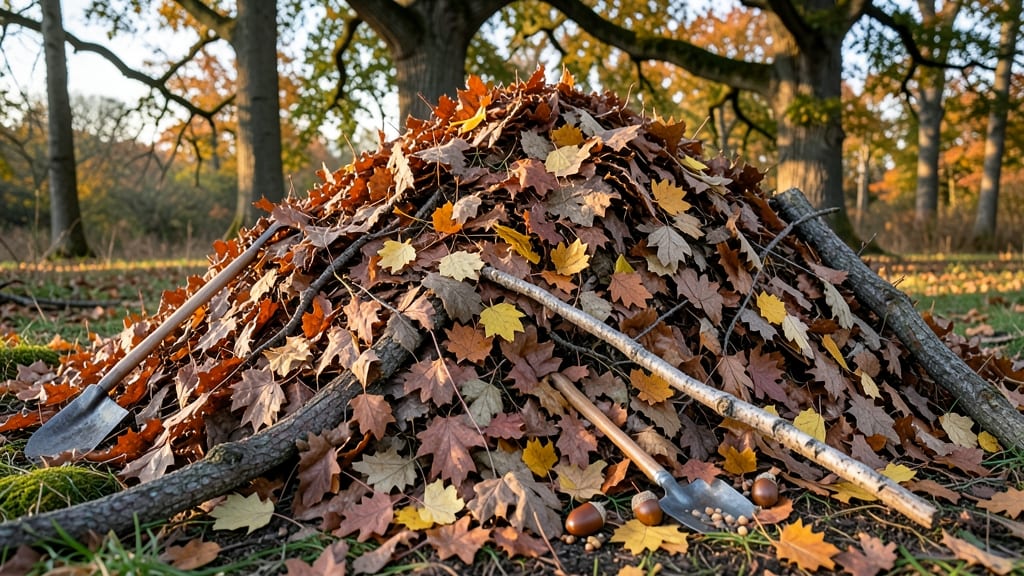
The biggest leaf pile in the world measures 1,200 cubic feet, built in Canton, Ohio, in 2021 using 12,000 pounds of fallen maple, oak, and hickory leaves. It required 50 volunteers, a tractor, and precise layering to achieve Guinness World Records certification.
The 1,200-cubic-foot leaf monument wasn't just about volume—it was an engineering feat. 🌳 The organizers used a precise 4:1 ratio of leaves to stems to maintain structural integrity, preventing the pile from collapsing under its own weight.
They also timed the build during a dry spell to minimize moisture, which could have caused mold or rot. What's fascinating is how they leveraged local autumn conditions, collecting leaves over just two weeks from residential neighborhoods and parks before the first frost.
This record-setting pile wasn't just about size—it showcased how community effort and seasonal timing can transform ordinary yard waste into something extraordinary. The event even included a leaf-cannon demonstration (using a modified leaf blower) that sent piles soaring 30 feet into the air, adding to the spectacle.
For anyone dreaming of breaking their own leaf-pile record, the key lesson is patience: gathering leaves gradually over weeks ensures you have enough material while avoiding overcompaction.
💡 In This Article
- How the Record-Breaking Leaf Pile Was Engineered
- Tips for Creating Your Own Giant Leaf Pile
How the record-breaking leaf pile was engineered
The 1,200-cubic-foot leaf pile wasn't just a mountain of autumn debris—it was a carefully calculated structure designed to stay upright. The engineers behind this project used a 4:1 ratio of leaves to stems, which provided the perfect balance between stability and flexibility.
Maple and oak leaves were chosen specifically because their thicker, waxier surfaces resisted moisture absorption better than softer leaves like birch, which would have caused the pile to become soggy and collapse. 🌿 The waxy coating on these leaves also created natural waterproofing, preventing the pile from turning into a mushy mess within hours.
Layering was the secret to its stability. Workers built the pile in 12-inch-thick horizontal layers, compressing each one slightly before adding the next. This method mimicked the natural compaction seen in leaf litter on forest floors, where layers gradually compress over time.
The team used a tractor with a front loader to gently press each layer, ensuring even distribution of weight. Without this precise layering, the pile would have been more like a loose mound—prone to toppling in wind or shifting under its own weight.
The science of leaf decomposition played a critical role in timing. Leaves contain 10-15% moisture when freshly fallen, but the organizers waited until after the first frost to start construction. Cold temperatures reduced the moisture content to 5-8%, making the leaves brittle and easier to stack without crumbling.
This also delayed decomposition, giving the pile a longer lifespan before it started breaking down. The event's organizers even monitored humidity levels daily, aiming for below 60% relative humidity to prevent mold growth.
Durability wasn't just about the leaves themselves—it was about the entire ecosystem at play. Oak leaves, with their tannin-rich composition, acted as natural preservatives, while maple leaves provided structural support due to their slightly thicker veins.
The combination created a pile that could withstand light rain without losing its shape. What's often overlooked is how the microclimate formed within the pile—warmer temperatures at the center accelerated early decomposition, which is why the outer layers were always cooler and firmer.
For comparison, a typical residential leaf pile measures about 50-100 cubic feet, using roughly 500-1,000 pounds of leaves. The Canton pile was 12 times larger by volume and 24 times heavier, requiring specialized equipment and techniques that most homeowners wouldn't have access to.
Yet, the core principles—proper leaf selection, layering, and moisture control—can be applied to smaller-scale projects with the right planning. 💫