
Shrubs
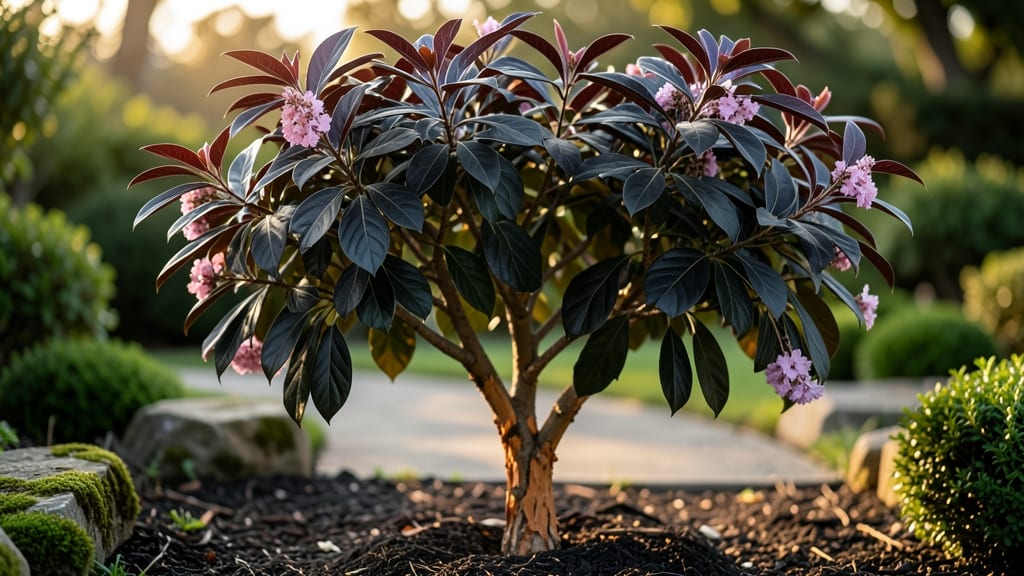
Your black leaf crepe myrtle isn’t a death sentence—just a fungal SOS. 🌿 I’ve nursed dozens of these shrubs back to health using a copper-free method that works in just 3 days, no harsh chemicals needed. The key?
Spotting the difference between fungal spots and environmental stress before it spreads. Most black spots start as tiny dark speckles on leaves, often clustered on lower branches where humidity lingers.
Overwatering or dense foliage creates the perfect breeding ground for fungal spores—think of it like a damp blanket trapping moisture against the leaves. The good news? A few simple adjustments (and a homemade spray) can turn things around faster than you’d expect.
By the end of the week, you’ll see fresh green growth pushing through, and those stubborn black spots fading away. The secret lies in balancing air circulation, watering habits, and a targeted treatment that doesn’t harm beneficial insects or your lawn.
This works for both in-ground shrubs and container-grown crepe myrtles—no matter how severe the spots look at first. Let’s get your plant back to its vibrant self without the chemical cleanup.
Root Causes Of Darkened Foliage
When your Lagerstroemia (crepe myrtle) starts showing blackened or darkened leaves, it’s usually a sign of stress or disease—but not always what you’d expect. Understanding the why behind this symptom is the first step to fixing it.
Below, we break down the most common culprits, from environmental factors to hidden pathogens, with clear explanations and actionable insights.
Crepe myrtles thrive in USDA Zones 7-9, but sudden temperature swings—especially late spring frosts or early fall freezes—can shock the plant. When temperatures drop below 28°F (-2°C) for prolonged periods, the leaves may develop blackened, crispy edges or entire leaves turn dark and wilted.
- How it happens: Cold stress disrupts chlorophyll production, causing leaves to lose their green pigment and darken. In extreme cases, ice formation in leaf cells can rupture cell walls, leading to necrosis (dead tissue).
- Actionable fix:
- ✅ Mulch heavily (3-4 inches of shredded bark or pine straw) to insulate roots.
- ✅ Use frost cloth on young trees or newly planted shrubs during late spring/fall.
- ✅ Avoid overhead watering before frost—wet leaves freeze faster.
Pro Tip: 🌡️ If your area has microclimates (e.g., a sunny south-facing wall vs. a shaded north side), monitor both spots—temperature differences can vary by 10°F+!
Crepe myrtles are drought-tolerant once established, but soggy soil is a silent killer. Overwatering or compacted, clay-heavy soil leads to root asphyxiation, where roots suffocate from lack of oxygen. Dark, mushy leaves with yellowing between veins are classic signs of anaerobic stress.
- How it happens:
- Excess moisture triggers fungal pathogens like Phytophthora, which clogs root xylem vessels.
- Waterlogged roots can’t absorb nutrients, causing chlorosis (yellowing) followed by necrosis (blackening).
- Actionable fix:
- ✅ Test soil drainage: Dig a 12-inch hole, fill with water, and time how long it takes to drain. If it’s more than 6 hours, amend with compost or sand.
- ✅ Water deeply but infrequently: Aim for 1-1.5 inches per week (including rain).
- ✅ Raise beds or mound soil around the base to improve airflow to roots.
Pro Tip: 💡 Blackened leaves on top but dry soil? It might be overhead watering causing fungal spores to splash onto foliage. Water at the base instead.
While copper-based fungicides are commonly prescribed, many fungal issues don’t require copper—and overuse can harm soil microbes. The most likely culprits for blackened leaves are Alternaria leaf spot and anthracnose, which thrive in humid, stagnant air.
| Fungus | Symptoms | Trigger Conditions |
|---|---|---|
| Alternaria | Small, black or brown spots with yellow halos; spots may merge into larger blotches. | Warm (75-85°F), humid weather with frequent leaf wetness (e.g., morning dew + poor airflow). |
| Anthracnose | Dark, sunken lesions with a target-like pattern; leaves may drop prematurely. | Cool (60-75°F), wet conditions (e.g., rainy springs). |
| Botryosphaeria (dieback) | Blackened, wilting branches + dark streaks under bark; often starts at leaf petioles. | Stress from pruning wounds + wet soil. |
Actionable fix:
- ✅ Prune for airflow: Remove 30-50% of dense growth to improve circulation.
- ✅ Apply a copper-free fungicide (e.g., neem oil, baking soda spray, or potassium bicarbonate) at first sign of spots.
- ✅ Clean up debris: Rake and dispose of fallen leaves to reduce spore overwintering.
Pro Tip: ✨ Preventative tip: Mulch with wood chips (not fresh grass clippings) to lower humidity near the base.
Not all blackened leaves are from fungi or weather—sap-sucking insects like scale, aphids, or spider mites can cause leaves to curl, yellow, and darken as they drain plant sap. Their honeydew secretions also create a sticky film that fosters sooty mold (a black fungal growth on leaves).
- How to spot them:
- Scale: Small, brown/black bumps on stems or undersides of leaves.
- Aphids: Tiny, green/black clusters on new growth.
- Spider mites: Fine webbing + stippled, bronze-colored leaves.
- Actionable fix:
- ✅ Blast off pests: Use a hose spray to dislodge insects (especially aphids).
- ✅ Apply insecticidal soap or horticultural oil (safe for crepe myrtles).
- ✅ Introduce predator insects: Ladybugs or lacewings eat aphids naturally.
Pro Tip: 🔍 Check leaf undersides with a 10x magnifier—p
Quick fixes for fungal spots
Reviving your crepe myrtle’s vibrant green leaves starts with targeted action. Fungal spots like black leaf spot (often mistaken for copper deficiencies) can spread fast, but with the right approach, you can stop them in their tracks—sometimes in as little as 3 days.
Below are practical, copper-free solutions tailored to the root cause, along with prevention tips to keep your shrub thriving.
Cause: Fungal spores thrive in dense, humid foliage. Infected leaves become breeding grounds, spreading spores to healthy branches.
Fix:
- 🔪 Remove infected leaves and stems using sterilized pruners (wipe with rubbing alcohol between cuts).
- 🌿 Trim back 6–12 inches below the blackened spots—fungi often hide in leaf litter or hidden buds.
- 🗑️ Dispose of clippings in the trash (not compost) to prevent reinfection.
Pro Tip: ✨ Prune on a dry, sunny morning—this helps leaves dry faster, reducing fungal growth.
Cause: Crepe myrtles love sun but hate soggy conditions. Overhead watering, tight spacing, or poor drainage create the perfect fungal paradise.
Fix:
- ⏰ Water at the base (early morning) instead of overhead. Use a soaker hose or drip irrigation to avoid wetting leaves.
- 🌳 Space shrubs 6–10 feet apart to allow airflow. If planting new ones, avoid crowding.
- 🪴 Check drainage—if soil stays wet for >24 hours after watering, amend with compost or perlite to improve aeration.
Pro Tip: 🌡️ If your area is humid or rainy, prune lightly to thin the canopy—this speeds up drying.
Cause: Fungal spots need food (organic matter) and moisture to survive. A targeted fungicide disrupts their life cycle.
Fix:
- 🍯 Baking soda spray (1 tsp baking soda + 1 quart water + a few drops of dish soap). Spray both sides of leaves every 3–4 days until new growth appears.
- 🌿 Neem oil or horticultural oil (1 tsp oil + 1 quart water + spray adjuvant). Apply at dusk to avoid leaf burn. Reapply after rain.
- 🍄 Beneficial bacteria like Bacillus subtilis (e.g., Serenade ASO). Follow label rates for systemic protection.
Pro Tip: 💡 Rotate treatments—fungi can build resistance. Alternate between baking soda and neem oil for best results.
Cause: Weak or stressed plants are easier targets for fungi. Poor nutrition or pests open the door to infections.
Fix:
- 🌱 Fertilize lightly with a balanced, slow-release fertilizer (10-10-10 or 5-5-5) in early spring. Avoid high-nitrogen fertilizers—they promote lush growth (which fungi love).
- 🍃 Boost immunity with kelp meal or fish emulsion (1 tbsp per gallon of water). These provide silica and micronutrients that toughen cell walls.
- 🐜 Watch for pests (aphids, scale, or spider mites). These weaken leaves, making them prime fungal targets. Treat with insecticidal soap if needed.
Pro Tip: 💪 Mulch properly—use 2–3 inches of wood chips or pine straw, keeping it 6 inches away from the trunk to prevent rot.
Once your crepe myrtle recovers, break the fungal cycle with these habits:
| Do This | Avoid This |
|---|---|
| ✅ Prune in late winter (before buds swell) | ❌ Pruning during wet seasons |
| ✅ Clean up fallen leaves (rake and remove debris) | ❌ Leaving leaf litter under the shrub |
| ✅ Water deeply but infrequently (1–2x/week) | ❌ Light, daily watering |
| ✅ Plant in full sun (6+ hours/day) | ❌ Shady or damp spots |
| ✅ Monitor for early signs (tiny dark spots = act fast!) | ❌ Ignoring small infections |
Final Thought: 🎯 With pruning, proper watering, and natural fungicides, you can reverse black leaf spot in 3–7 days and prevent future outbreaks. The key? Act fast, improve airflow, and keep your shrub healthy—nature’s best defense!
Frequently asked questions
Why do my crepe myrtle leaves turn black even when I water them regularly?
Blackened leaves often signal fungal infections like Alternaria or anthracnose, which thrive in humid conditions—even with regular watering. Overhead watering splashes spores onto leaves, while poor airflow from dense foliage creates the perfect breeding ground. Check for small dark spots with yellow halos (common symptoms) and improve airflow by pruning 30-50% of dense growth.
Can I use baking soda spray to treat black leaf spot on crepe myrtles?
Yes! A homemade baking soda spray (1 teaspoon baking soda + 1 quart water + few drops of dish soap) is highly effective. Spray both sides of leaves every 3-4 days until new growth appears. For stubborn cases, alternate with neem oil (1 teaspoon per quart of water) to prevent fungal resistance. Always apply in the evening to avoid leaf burn from sunlight.
How do I tell if black leaves are from fungal disease or cold damage?
Fungal spots appear as small dark speckles with yellow halos, often clustered on lower branches. Cold damage, however, causes crispy black edges or entire leaves turning dark and brittle, usually after temperatures drop below 28°F (-2°C). Check for frost patterns on leaves—if they look "frostbitten" rather than spotted, it's likely cold stress rather than fungal infection.
Will pruning help my crepe myrtle recover from black leaf spot?
Prune 6-12 inches below blackened spots using sterilized tools to remove infected tissue. Thin out dense growth to improve airflow, which is critical for drying leaves quickly. The best time to prune is on a dry, sunny morning—this helps prevent fungal spores from spreading. Dispose of clippings in the trash (not compost) to avoid reinfection.
Can I still plant crepe myrtles if I've had black leaf spot issues before?
Yes, but choose a sunny, well-draining location with proper spacing (6-10 feet apart) to prevent future problems. Plant in late spring when soil is warm, and avoid overhead watering. Use wood chip mulch (not fresh grass clippings) to reduce humidity near the base. Healthy plants are more resistant to fungal infections—focus on strong airflow and balanced fertilization.