
Leaf Blower
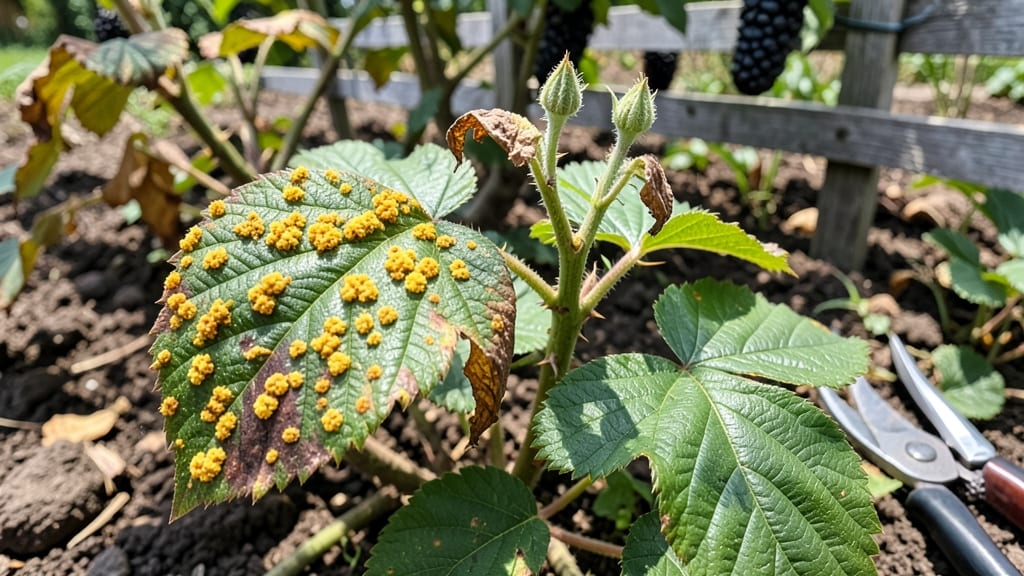
Blackberry leaf rust turns your thriving bushes into orange-speckled shadows by midsummer. 🌿 I’ve lost entire canes to this sneaky fungal infection, but I’ve also brought plants back from the brink—here’s how to stop it before it ruins your harvest.
The telltale signs are those bright orange spots on the undersides of leaves, followed by curling and premature leaf drop. Kordyana spp. thrives in wet, humid conditions, so if your blackberries are in a low spot or you’ve had recent rain, you’re already at risk.
The good news? You don’t need copper sprays to fight back—just the right timing and organic treatments. With a few simple sprays (neem oil, baking soda, or horticultural oil) applied at the first sign of spots, you’ll see new growth emerge clean and vibrant within weeks.
Prune infected leaves immediately to prevent spread, and focus on improving airflow around your plants. This works for raspberries too, and the same principles apply whether you’re growing in a home garden or a commercial patch. Let’s get those canes healthy again!
The Hidden Triggers Behind Fungal Spread
Blackberry leaf rust isn’t just a random nuisance—it’s a highly strategic fungal attack, fueled by a mix of environmental and plant health factors. Understanding these triggers is the first step to stopping the spread before it wipes out your harvest. Let’s break down the real culprits behind this persistent problem.
Fungal spores like Kuhnia eugeniae (the pathogen behind leaf rust) thrive in moist, damp environments. Here’s why:
- Prolonged leaf wetness: Rust spores need at least 9–12 hours of leaf moisture to germinate and infect. Heavy dew, frequent rain, or poor airflow create the perfect breeding ground.
- High humidity (above 75%): Even without rain, humid conditions keep spores active and spreadable. Coastal or tropical climates are hotspots for outbreaks.
- Overhead irrigation: Watering from above (instead of drip systems) mimics rain, splashing spores onto leaves and stems. Actionable fix: Switch to drip irrigation or water early in the day for faster drying.
💡 Pro Tip: If your area gets consistent rain or fog, consider resistant blackberry varieties (like ‘Arapaho’ or ‘Cheyenne’) or mulching to reduce soil moisture near plants.
Blackberry bushes are not fans of the claustrophobic life. When canes grow too close together, the result is a fungal paradise:
- Stagnant air: Poor airflow traps humidity and spores, giving rust a free pass to spread unchecked.
- Shaded leaves: Dense foliage blocks sunlight, weakening leaves and making them more susceptible to infection.
- Debris buildup: Fallen leaves or old canes harbor overwintering spores, ready to reinfect the next season.
🔥 Fix It Now:
- Prune aggressively in late winter to remove dead or crossing canes (aim for 6–8 inches apart for airflow).
- Thin out overlapping branches to let sunlight and breeze penetrate.
- Rake up and dispose of leaf litter (don’t compost it—burn or trash it!).
Leaf rust doesn’t strike randomly—it waits for the perfect moment when blackberries are most vulnerable:
| Temperature Range | Why It Matters | Risk Window |
|---|---|---|
| 50–70°F (10–21°C) | Ideal for spore germination and infection. Cooler temps slow plant recovery, making them easier targets. | Spring (new growth) & Fall (senescing leaves) |
| Above 85°F (29°C) | Slows rust spread but weakens plant defenses—heat stress makes leaves more prone to secondary infections. | Summer droughts or heatwaves |
| Below 40°F (4°C) | Spores overwinter in dead tissue, ready to pounce when temps rise. | Winter dormancy |
✨ Strategic Defense:
- Monitor spring and fall as high-risk periods—apply preventative sprays (like copper-free fungicides) before symptoms appear.
- Use mulch (straw or wood chips) to moderate soil temps and reduce stress on roots.
- Avoid late-season nitrogen fertilizers, which promote soft, new growth—rust’s favorite snack.
A blackberry plant under nutritional stress is like a fortress with cracks in the walls—rust spores exploit every weakness. Common deficiencies that open the door:
- Low phosphorus (P): Weakens root and cane development, making plants slow to recover from infections.
- Magnesium or calcium deficits: Cause interveinal chlorosis (yellowing between veins), leaving leaves vulnerable to fungal entry.
- Water stress (over- or under-watering): Both extremes shock the plant’s immune system, making it easier for rust to take hold.
💪 Boost Plant Resilience:
- Test soil in early spring and amend with compost or balanced fertilizer (10-10-10).
- Add Epsom salt (magnesium sulfate) if leaves show yellowing between veins.
- Water deeply but infrequently to encourage deep root growth (1–1.5 inches per week).
By tackling these root causes, you’re not just treating rust—you’re starving the fungus of its power. Next up: How to Stop It Before It Starts.
Quick Fixes for Fungal Foliage Fails
Fungal infections like blackberry leaf rust can turn lush green canes into a patchwork of rusty spots, but don’t panic—there are copper-free, practical solutions to revive your plants.
Below, we’ve mapped out cause-specific fixes, from immediate remedies to long-term prevention, so you can tackle the problem head-on without harsh chemicals.
Cause: Fungal spores spread when infected leaves stay on the plant. Fix:
- 🔪 Prune aggressively: Snip off all rust-spotted leaves (including fallen ones on the ground) with sterilized pruners (wipe with rubbing alcohol between cuts).
- 🗑️ Dispose properly: Bag infected debris in a sealed plastic bag and toss it in the trash (not compost)—do not leave it near the garden.
- 🌿 Thin out canes: If rust is severe, prune 1/3 of the oldest canes to improve airflow and reduce fungal buildup.
💡 Pro Tip: Prune early in the day when leaves are dry—wet foliage can spread spores faster.
Cause: Existing spores need moisture to germinate; fungicides disrupt their lifecycle. Fix: Choose organic, preemptive sprays like these (apply every 7–14 days during wet seasons):
| Solution | How to Use | Best For |
|---|---|---|
| Neem Oil Spray | Mix 1 tbsp neem oil + 1 tsp mild soap + 1 quart water. Spray undersides of leaves (where spores hide). | Early-stage rust, prevention |
| Baking Soda Spray | Dissolve 1 tbsp baking soda + 1 tsp oil + 1 gallon water. Spray evenly. | Mild infections, alkaline soil |
| Potassium Bicarbonate | Use 1.5 tbsp per gallon water. Spray at dawn or dusk (avoids burning leaves). | Severe rust, humid climates |
| Hydrogen Peroxide | Mix 1 tbsp 3% H₂O₂ + 1 quart water. Spray directly on rust spots. | Spot treatments, fast action |
⏰ Timing Matters: Apply sprays before rain (or within 24 hours after) to let them bond to leaves.
Cause: Dense foliage and soggy soil create the perfect fungal buffet. Fix:
- 🌬️ Space plants wider: Give blackberries 4–6 feet of clearance between canes for airflow.
- 🌧️ Fix water issues:
- Raise beds if soil stays waterlogged (add compost or gravel).
- Water at the base (not overhead) to keep leaves dry.
- 🍃 Mulch strategically: Use straw or wood chips (not thick layers) to prevent soil splash onto leaves.
🌡️ Heat It Up: If possible, site blackberries in full sun—fungi thrive in cool, damp conditions.
Cause: Weak plants are fungal magnets. Fix:
- 💪 Fertilize right: Use a balanced organic fertilizer (e.g., 10-10-10) in early spring—avoid high-nitrogen late in the season (it encourages soft, susceptible growth).
- 🍄 Beneficial microbes: Sprinkle mycorrhizal fungi or compost tea around roots to crowd out pathogens.
- 🌿 Foliar feed: Spray seaweed extract (rich in kelp) monthly for natural resistance.
✨ Bonus: Interplant with garlic or chives—their sulfur compounds deter fungi naturally.
- 🌱 Plant resistant varieties: Look for cultivars like ‘Arapawa’ or ‘Triple Crown’ (breeders have developed rust-tolerant blackberries).
- 🧼 Clean tools & hands: Sterilize pruners and wash gloves after working with infected plants.
- 🍂 Fall cleanup: Remove all leaf litter from around plants by late autumn to break the fungal cycle.
- 🌦️ Monitor weather: If 5+ consecutive rainy days are forecast, preemptively spray with neem oil.
🎯 Final Reminder: Consistency is key—one treatment won’t cure chronic rust. Combine pruning, sprays, and cultural fixes for the best results. With these steps, your blackberries can bounce back rust-free and thriving in no time!
Frequently asked questions
What do blackberry leaf rust spots actually look like?
Leaf rust appears as bright orange or reddish-brown pustules on the undersides of leaves, often surrounded by yellow halos. In severe cases, leaves curl upward and drop prematurely. The top of the leaf may show yellow or brown spots where the pustules push through.
Can I still harvest fruit from blackberries with leaf rust?
Yes, but remove heavily infected leaves first to prevent spore spread. The fruit itself isn't typically infected, but prune away diseased foliage 2-3 feet around the plant to protect your harvest. Always wash berries thoroughly before eating.
How often should I apply fungicide sprays for prevention?
Apply every 7-14 days during wet seasons (spring/fall) or after heavy rains. For organic options like neem oil, spray at dusk when humidity is high but leaves are dry. Consistency matters most—don't skip applications during high-risk periods.
Will pruning alone eliminate blackberry leaf rust?
No, pruning alone won't cure established infections, but it's 50% of the battle. Remove all infected leaves and canes immediately, then combine with fungicidal sprays and improved airflow. The goal is to break the fungal cycle while giving healthy growth a chance to thrive.
Are there blackberry varieties that naturally resist leaf rust?
Yes! Look for rust-resistant cultivars like 'Arapawa', 'Triple Crown', or 'Chester'. These varieties were bred specifically to handle fungal pressures. If replacing plants isn't an option, focus on cultural controls like proper spacing and sanitation to reduce infection rates.